“Disturbed By What Happened In High Court”: Top Court On Mamata Banerjee vs ED
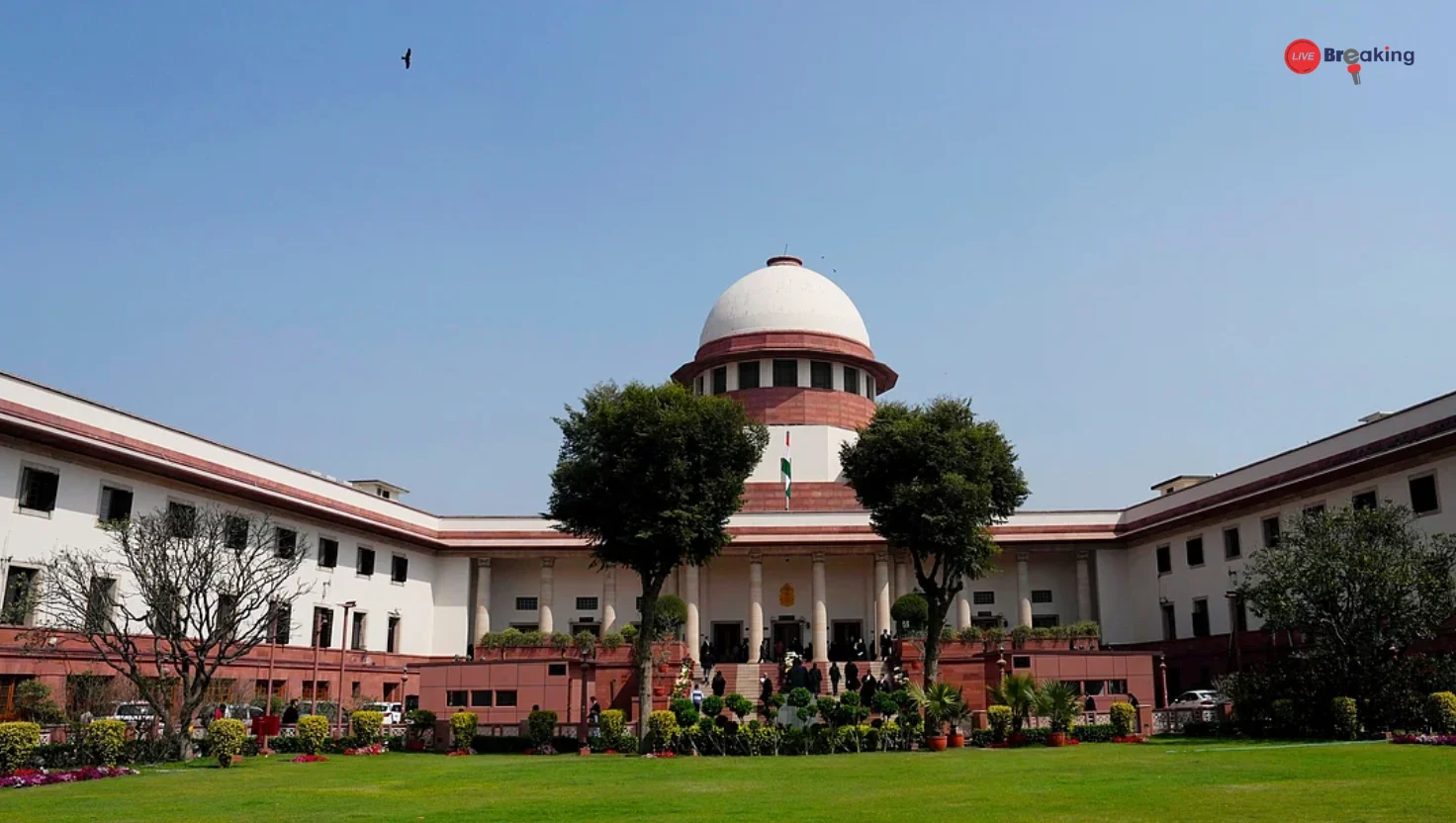
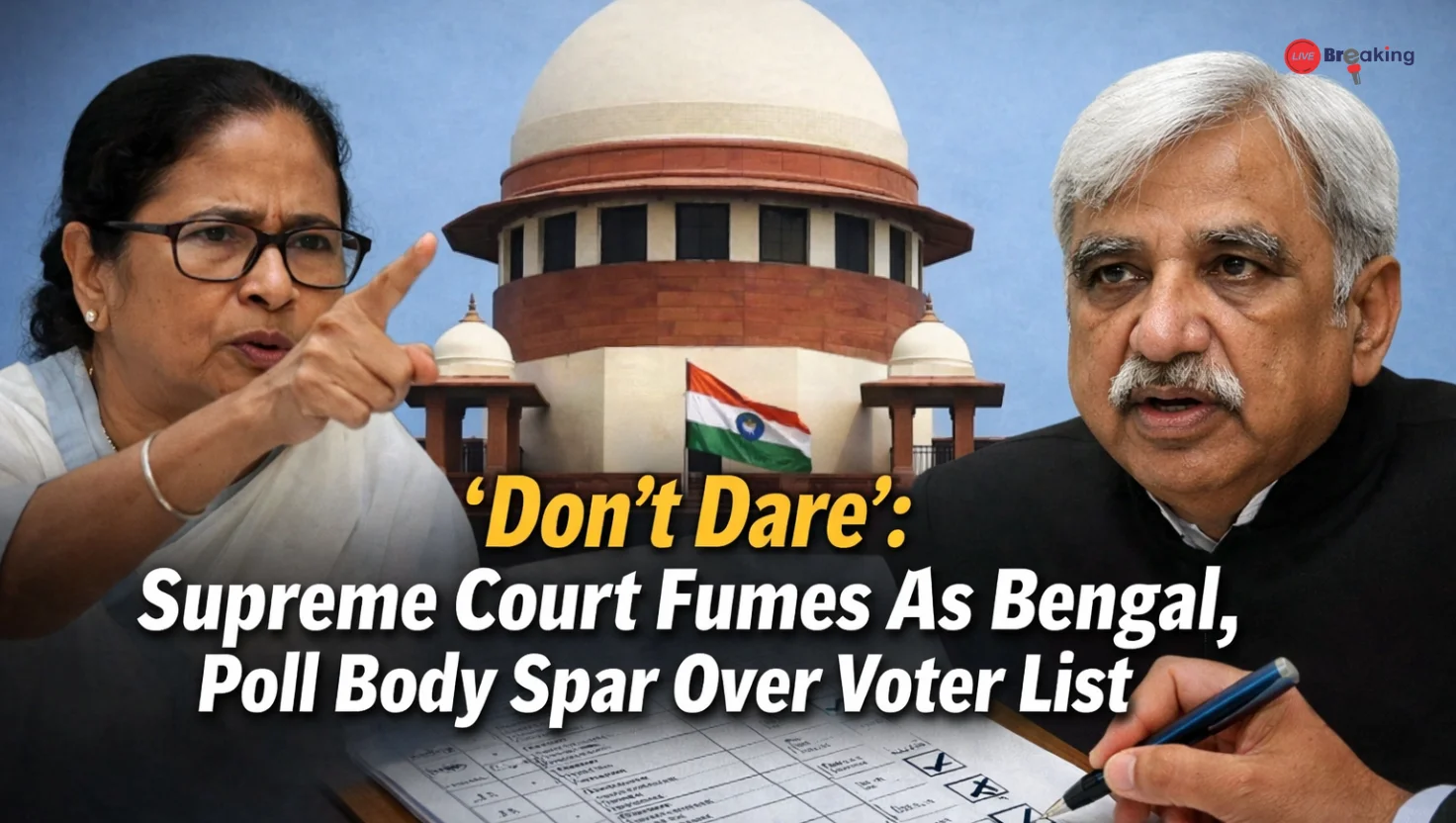
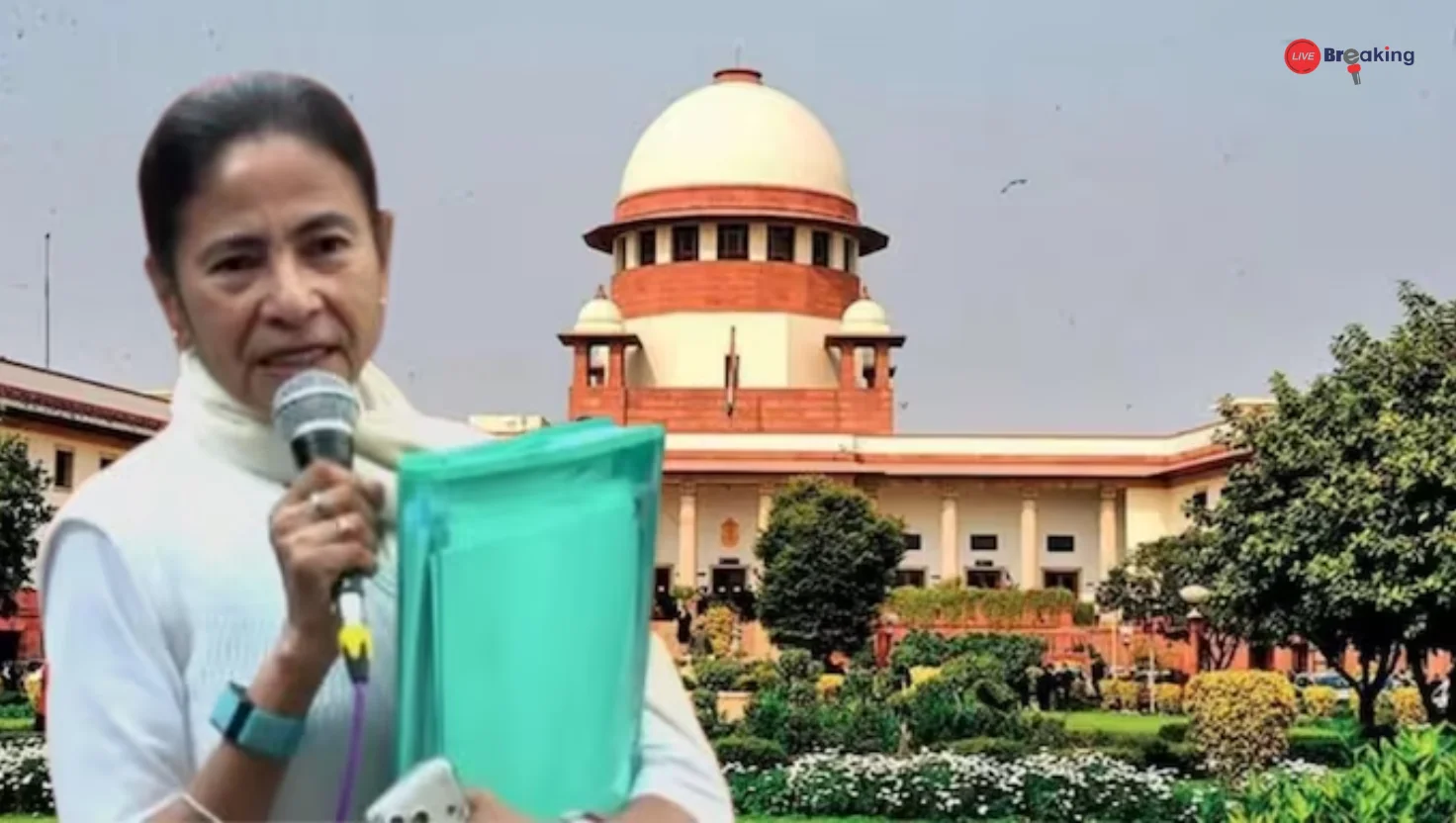
The Supreme Court of India on Monday made strong observations while hearing a matter linked to Mamata Banerjee and the Enforcement Directorate, stating that it was “disturbed by what happened in the High Court.” The remarks have sparked intense political and legal debate, highlighting the growing friction between constitutional courts, investigative agencies, and elected governments.
The case, which has its roots in proceedings before the Calcutta High Court, was brought before the Supreme Court after concerns were raised about the manner in which directions were issued and the broader constitutional implications involved.
What Triggered the Supreme Court’s Observation?
During the hearing, the top court took note of the sequence of events that unfolded in the High Court in a matter involving the Enforcement Directorate and the West Bengal Chief Minister. While refraining from making final conclusions at this stage, the Supreme Court clearly indicated that the developments raised serious questions about judicial propriety and institutional balance.
The bench emphasized that courts must exercise restraint, especially in politically sensitive matters involving constitutional authorities. The phrase “disturbed by what happened in the High Court” underscored the seriousness with which the apex court viewed the situation.
Background of Mamata Banerjee vs ED Case
The Enforcement Directorate has been investigating multiple cases in West Bengal related to alleged financial irregularities, money laundering, and corruption. Over time, these investigations have increasingly intersected with senior leaders of the ruling Trinamool Congress, including Chief Minister Mamata Banerjee.
Mamata Banerjee and her party have consistently alleged that central agencies such as the ED are being used as tools for political vendetta. The Bharatiya Janata Party (BJP), on the other hand, has denied these allegations, maintaining that investigative agencies are merely performing their statutory duties.
Supreme Court’s Concerns on Judicial Process
One of the key issues flagged by the Supreme Court was the manner in which the High Court proceedings unfolded. According to the apex court, any judicial action that appears to bypass due process or creates an impression of overreach can undermine public confidence in the justice system.
The Supreme Court reiterated that while High Courts have wide powers under the Constitution, those powers must be exercised with caution, particularly when directions may affect the functioning of constitutional offices or ongoing investigations.
Political Reactions and Broader Implications
The Supreme Court’s remarks have triggered sharp political reactions. Leaders from the Trinamool Congress welcomed the observation, arguing that it validated their long-standing claim of institutional misuse. Opposition leaders, however, cautioned against reading too much into oral observations, noting that the matter is still sub judice.
Read more: No More 10-Minute Delivery Promise: Govt Orders Blinkit, Swiggy to Drop Ultra-Fast Claims
From a governance perspective, the case highlights a recurring tension in Indian democracy: the balance between federalism, judicial oversight, and the autonomy of investigative agencies. Legal experts suggest that the final outcome of this case could set important precedents for how courts handle politically sensitive investigations in the future.
What Happens Next?
The Supreme Court is expected to continue hearing the matter and may issue detailed directions or guidelines after examining all submissions. Until then, the apex court’s strong remarks serve as a reminder of its role as the ultimate guardian of constitutional values and institutional discipline.
For now, the nation watches closely as the legal battle between Mamata Banerjee and the Enforcement Directorate unfolds under the scrutiny of India’s highest court.
FAQs
Q1. Why did the Supreme Court say it was “disturbed”?
The Supreme Court expressed concern over how events unfolded in the High Court, suggesting possible issues related to judicial propriety and due process.
Read more: BJP-Congress Alliance in Ambernath: A Rare Political Twist in Maharashtra
Q2. What is the Mamata Banerjee vs ED case about?
It relates to Enforcement Directorate investigations into alleged financial irregularities in West Bengal, which the state government claims are politically motivated.
Q3. Is the Supreme Court’s observation a final judgment?
No. These are preliminary observations. The case is still under hearing, and a final decision is yet to be delivered.
Q4. What role does the Calcutta High Court play in this matter?
The case originated from proceedings and directions issued by the Calcutta High Court, which are now under scrutiny by the Supreme Court.
Q5. Why is this case important nationally?
The case raises broader questions about federalism, judicial restraint, and the role of central investigative agencies in a democracy.