

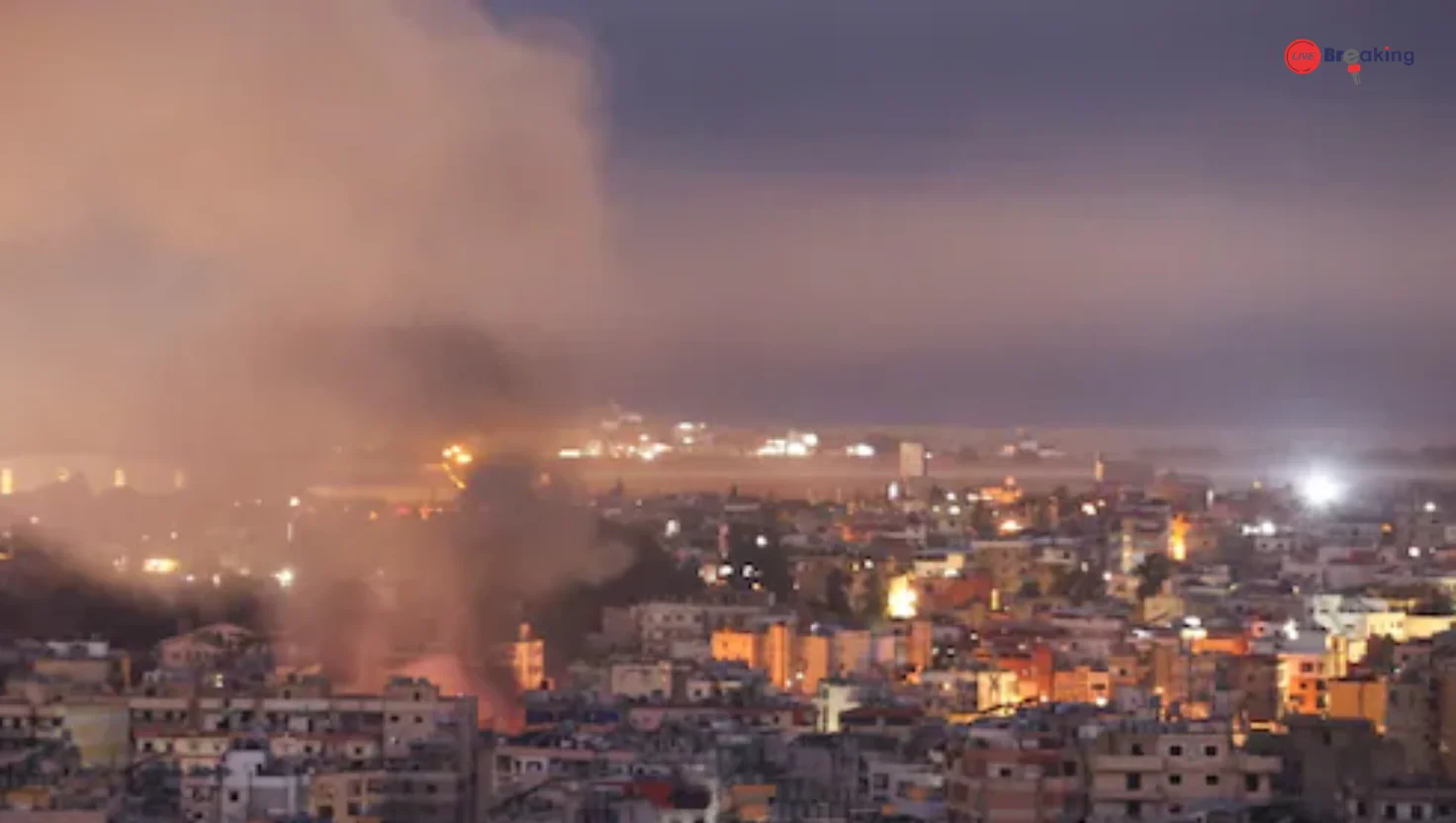
A War Meant To Break Iran Could Leave It Stronger, And Gulf Exposed
The ongoing conflict involving Iran, the United States, and its allies has evolved into one of the most complex geopolitical crises of the decade. What began as an attempt to weaken Tehran’s military and nuclear ambitions may instead be producing the opposite effect—strengthening Iran’s strategic position while exposing the vulnerabilities of Gulf nations.
Recent analysis suggests that despite heavy military strikes, Iran has adapted using asymmetric warfare, economic leverage, and regional influence, reshaping the balance of power in the Middle East.
The Strategic Miscalculation — Why Iran Isn’t Weakening
One of the biggest assumptions behind the war was that sustained military pressure would destabilize Iran internally. However, this expectation has largely failed.
Instead of collapse, Iran has shown resilience through:
- Asymmetric warfare tactics such as drone strikes and proxy attacks
- Political consolidation, especially after leadership changes
- Nationalistic unity, turning external attacks into internal support
Experts now argue that targeting Iran’s leadership early in the conflict may have backfired, uniting factions rather than dividing them.
Control of the Strait of Hormuz — Iran’s Biggest Advantage
The Strait of Hormuz has become the most critical battlefield—not militarily, but economically.
- Around 20% of global oil supply passes through this route
- Shipping activity has dropped dramatically due to conflict
- Oil prices are surging, with predictions exceeding $150 per barrel
By threatening or restricting this chokepoint, Iran has gained leverage over global markets, impacting economies far beyond the Middle East.
Gulf Nations — From Bystanders to Vulnerable Targets
While Gulf countries were not the primary aggressors, they are now among the most exposed.
Key vulnerabilities include:
- Economic dependence on oil exports
- Heavy reliance on imported food and goods
- Dependence on desalinated water infrastructure
Disruptions in shipping routes have triggered:
- Food shortages
- Energy instability
- Economic slowdown
In fact, Gulf economies face potential long-term damage, with billions required to rebuild infrastructure and stabilize markets.
Economic Shockwaves Across the Globe
The Iran war is not just regional—it is global.
Major impacts include:
- Rising inflation due to energy prices
- Supply chain disruptions across industries
- Increased cost of fertilizers, fuels, and raw materials
Countries across Asia—including India—are already feeling the pressure through rising fuel costs and supply constraints.
Read more: Iran War May End in 2 Weeks: Global Oil Crisis, Economic Risks & What Happens Next
Iran’s Asymmetric Warfare Strategy
Iran has avoided direct confrontation with stronger military forces and instead focused on unconventional tactics:
- Missile and drone attacks
- Proxy warfare through regional allies
- Targeting economic infrastructure
This strategy allows Iran to maximize impact while minimizing direct losses, effectively prolonging the conflict and increasing global pressure.
Human and Environmental Cost of the Conflict
Beyond geopolitics, the war has had devastating humanitarian and environmental consequences:
- Thousands killed, including civilians
- Pollution from damaged oil facilities
- Long-term risks to water and agriculture systems
Experts warn that environmental damage could take decades to recover, especially in the Gulf region.
Read more: Married Man in Live-In Relationship: Allahabad High Court Gives Contrasting Judgments in Two Cases
Table — Key Impacts of the Iran War
| Impact Area | Key Effects |
|---|---|
| Military | Increased regional instability, proxy wars |
| Economy | Oil price surge, inflation, trade disruption |
| Energy | Strait of Hormuz blockade, supply shock |
| Gulf Countries | Food insecurity, economic losses |
| Global Markets | Stock volatility, recession risks |
| Environment | Pollution, long-term ecological damage |
What This Means for the Future
The war may end militarily, but its consequences will persist:
- Iran could emerge more influential and defiant
- Gulf nations may need to rethink security and economic models
- Global powers may reassess military intervention strategies
Read more: Plane and Truck Collision at LaGuardia Airport: Multiple Injuries Reported in New York
Perhaps most importantly, the conflict highlights a key lesson:
modern wars are no longer just about battlefield victories—they are about economic control, resilience, and long-term strategy.
FAQs
1. Why could this war make Iran stronger?
Despite military attacks, Iran has adapted through asymmetric warfare, control of key trade routes, and internal unity, making it strategically stronger rather than weaker.
2. What is the importance of the Strait of Hormuz?
It is one of the world’s most critical oil routes, carrying about 20% of global oil supply, giving Iran major economic leverage.
3. How are Gulf countries affected?
They face economic losses, disrupted trade, food insecurity, and risks to water supply due to their dependence on imports and desalination.
4. Will oil prices continue to rise?
Yes, if the conflict persists, oil prices could remain high due to supply disruptions and geopolitical uncertainty.
5. What are the global consequences of the war?
The war impacts global inflation, supply chains, energy security, and could potentially trigger economic slowdowns worldwide.