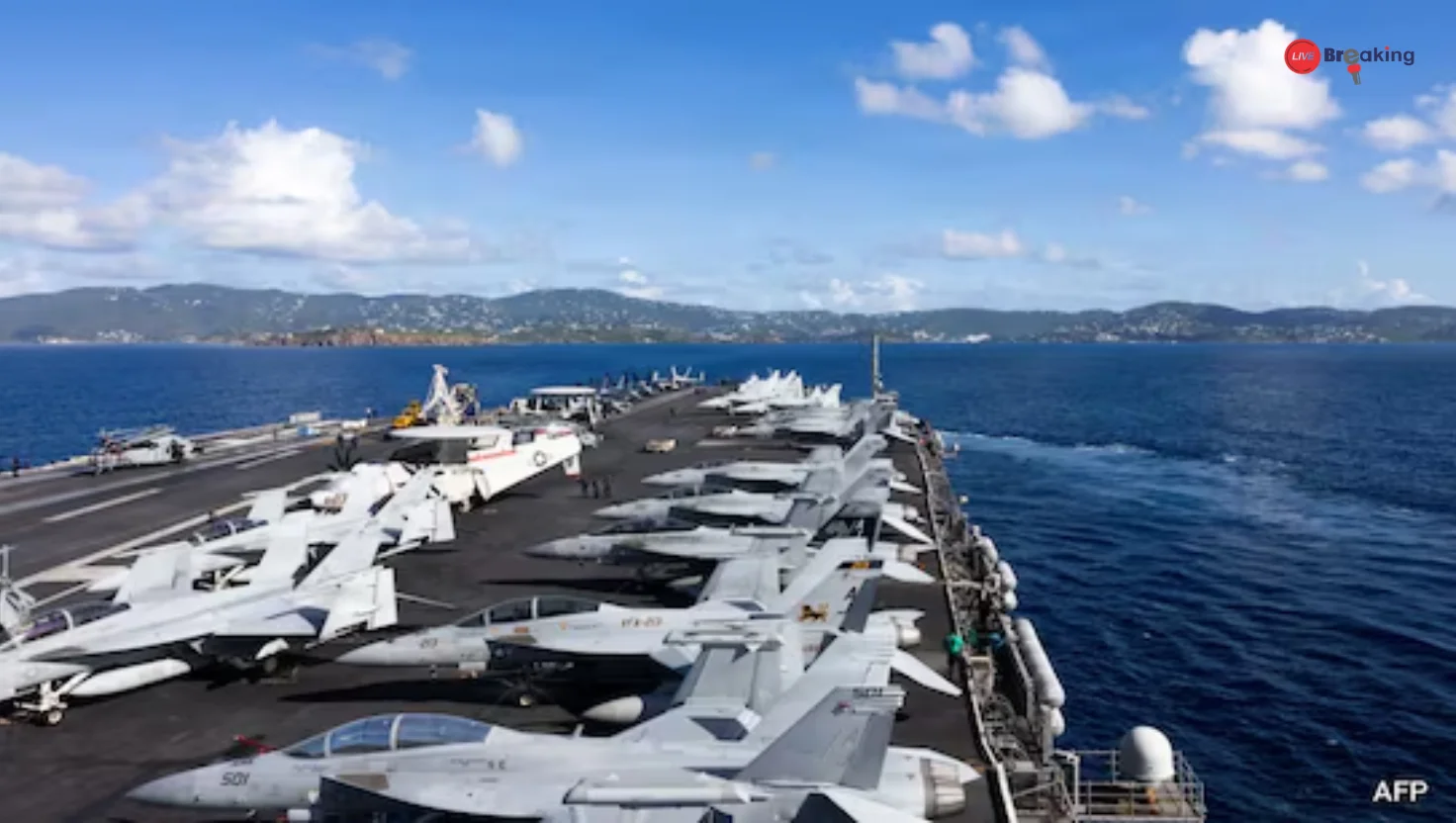
USS Gerald R. Ford’s 650 Failing Toilets Amid Iran–US Tensions: What It Means for 5,000 Sailors
While geopolitical tensions between Iran and the United States continue to dominate global headlines, an unexpected issue has surfaced aboard one of America’s most advanced warships. The USS Gerald R. Ford, the lead vessel of its class and a symbol of US naval supremacy, is reportedly facing a large-scale plumbing malfunction — with approximately 650 toilets failing onboard.
The aircraft carrier, which can house nearly 5,000 sailors, represents the cutting edge of naval engineering. However, despite its advanced combat systems and nuclear-powered propulsion, the vessel has been grappling with repeated toilet system failures. The issue has drawn attention not only for its scale but also for its potential impact on morale and operational efficiency.
A $13 Billion Warship With Basic Challenges


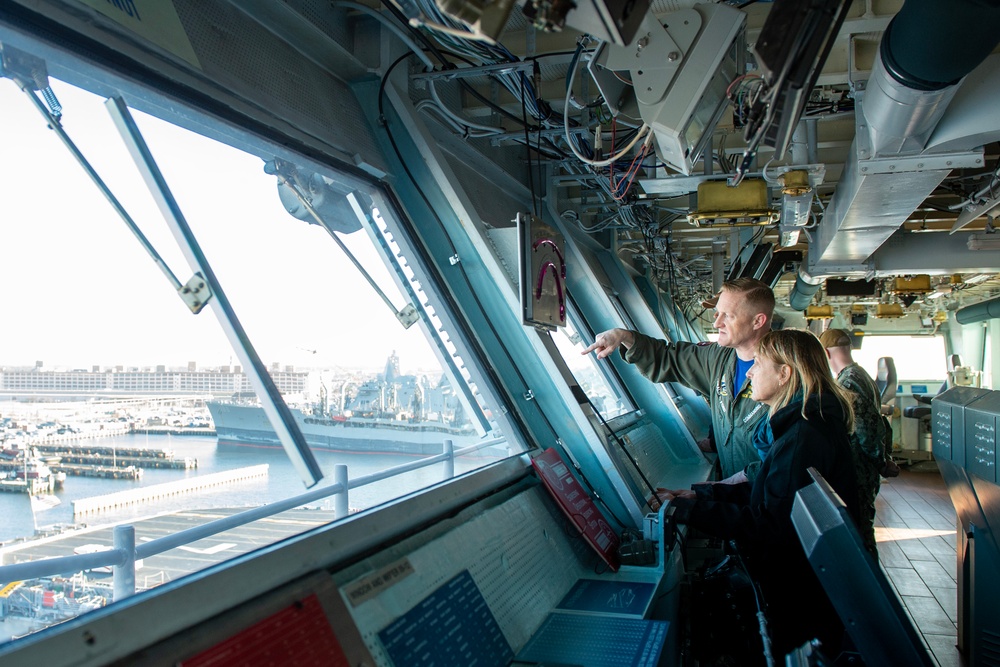
Yet, even with these high-tech upgrades, the ship’s waste management system has reportedly proven vulnerable. The toilets onboard operate using a high-pressure vacuum system, which, while efficient in theory, has shown sensitivity to misuse and system overload.
Naval engineers have suggested that improper disposal of materials — such as wipes or other non-flushable items — may have contributed to the blockages. However, the scale of the issue suggests deeper technical or design complications that require ongoing attention.
Impact on Sailors’ Morale and Daily Life
For the nearly 5,000 personnel stationed onboard, reliable sanitation is not a luxury — it is essential. Aircraft carriers operate like floating cities, with crew members working long shifts in confined conditions. Any disruption to basic facilities can significantly impact daily routines, hygiene standards, and morale.
Though the issue does not directly compromise combat capability, it does create logistical challenges. Temporary fixes, maintenance shutdowns, and restricted usage can disrupt onboard life. In extreme cases, malfunctioning waste systems can even pose health concerns if not promptly addressed.
Read more: Shirts Off, Slogans On: Youth Congress Workers Protest At AI Summit, 4 Arrested
Military officials have indicated that repairs are underway and that additional training is being provided to prevent misuse. Still, the situation highlights how even the most sophisticated military platforms remain vulnerable to practical, everyday challenges.
Strategic Deployment Amid Rising Iran–US Tensions

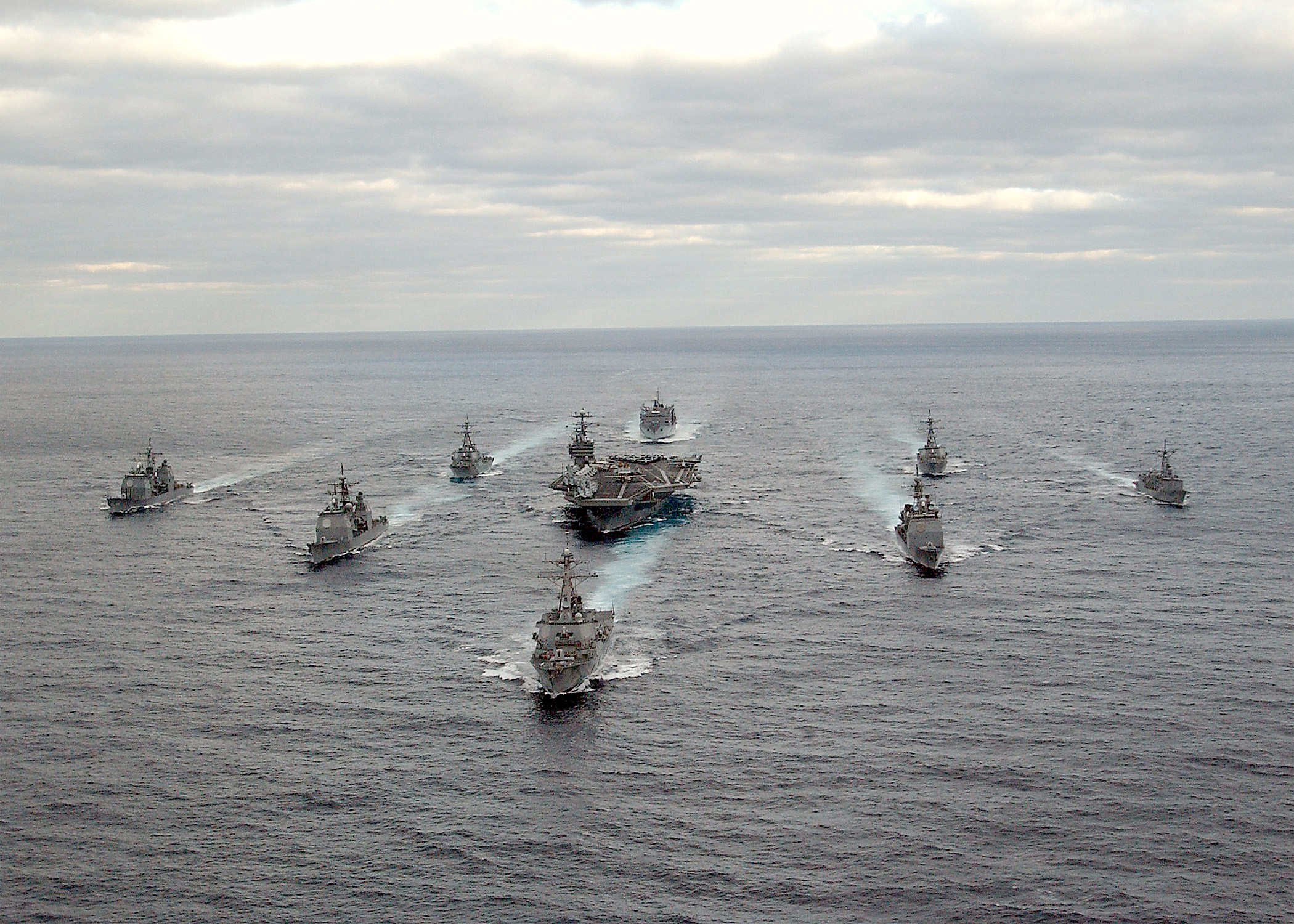
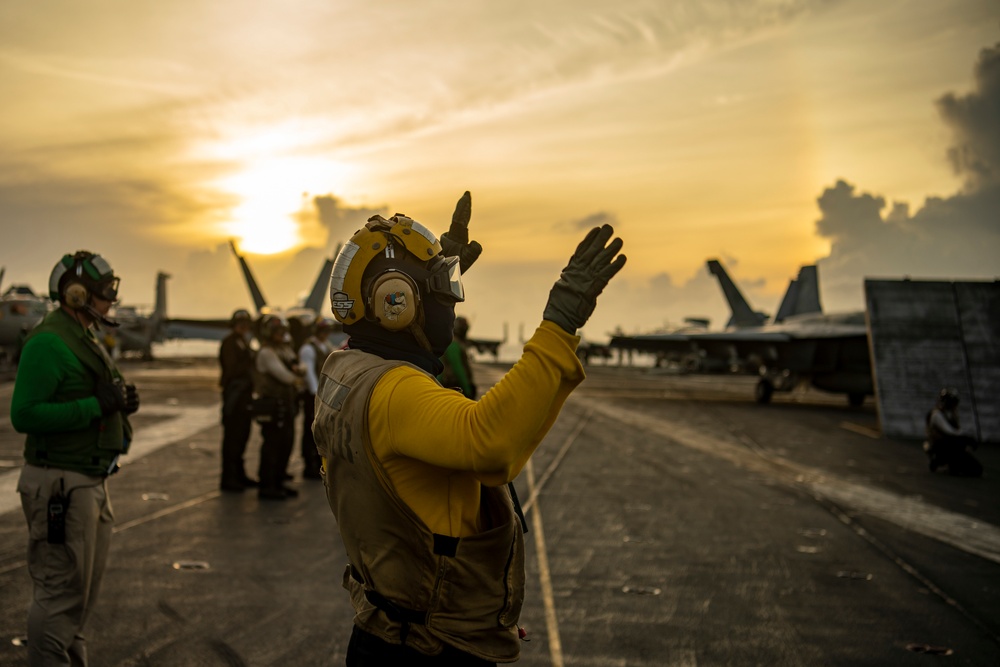
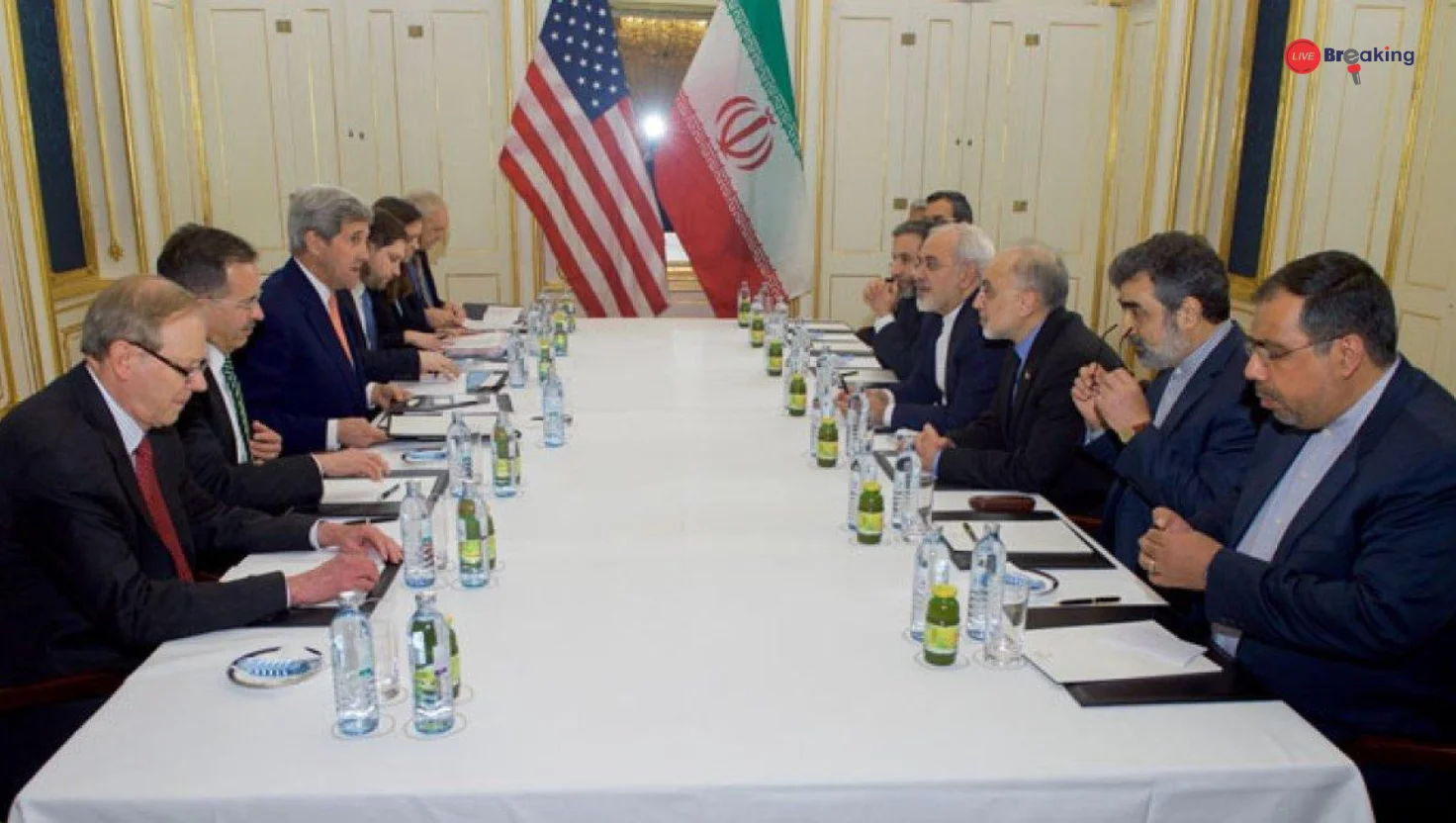
The plumbing issues come at a time of heightened strategic alert. The USS Gerald R. Ford has been deployed to regions of strategic importance, reinforcing the United States’ military posture amid escalating rhetoric and tensions involving Iran.
Aircraft carriers serve as floating airbases capable of projecting power globally. Their presence often signals deterrence, readiness, and diplomatic messaging. In such sensitive moments, maintaining operational integrity is crucial — not just for combat readiness but also for maintaining global confidence in US military capability.
Read more: India Tariffs Cut to 10% as Donald Trump Faces US Supreme Court Setback
While the toilet malfunction may appear minor compared to missile systems or air wings, sustained technical setbacks can raise broader concerns about reliability and lifecycle management in next-generation naval vessels.
A Reminder of Complex Naval Engineering
The situation underscores a broader truth about modern military hardware: advanced systems often introduce new complexities. From propulsion systems to waste management infrastructure, every component must function reliably under demanding conditions.
The Ford-class carrier program has previously faced scrutiny for cost overruns and delays. However, US Navy officials maintain that early operational challenges are typical for first-in-class vessels and that refinements improve performance over time.
The USS Gerald R. Ford remains a central pillar of American naval power. Despite current setbacks, it continues to conduct flight operations, support allied missions, and serve as a strategic deterrent.
FAQs
1. Why are the toilets on USS Gerald R. Ford failing?
The carrier uses a high-pressure vacuum waste system, which can be sensitive to misuse or blockages. Improper disposal of non-flushable materials is believed to be one of the contributing factors.
2. Does this issue affect the ship’s combat capability?
No. The toilet malfunction does not directly impact combat systems, flight operations, or nuclear propulsion. However, it can affect crew comfort and morale.
3. How many sailors are affected?
The USS Gerald R. Ford can carry nearly 5,000 sailors and aircrew members, meaning the issue impacts a large onboard population.
4. Has the US Navy addressed the issue?
Yes. Maintenance efforts are ongoing, and additional crew training has reportedly been implemented to prevent further system misuse.
Read more: PM Modi Congratulates BNP’s Tarique Rahman: “India Will Support Democratic, Inclusive Bangladesh”
5. Why is the USS Gerald R. Ford strategically important?
As the lead ship of the Ford-class carriers, it represents the latest generation of US aircraft carriers and plays a key role in projecting military power globally.
Conclusion
As tensions between Iran and the United States continue to shape international headlines, the unexpected sanitation challenges aboard the USS Gerald R. Ford serve as a reminder that even the world’s most powerful warships are not immune to operational hiccups.
In military strategy, perception and preparedness matter deeply. While failing toilets may not weaken missile systems or air operations, they highlight the importance of reliability in every layer of defense infrastructure — from advanced radar arrays to the most basic daily necessities.