Iran Enters Survival Mode After Assassination of Supreme Leader Ayatollah Ali Khamenei, Middle East Crisis
Iran has entered what analysts describe as “survival mode” following the shocking assassination of its Supreme Leader, Ayatollah Ali Khamenei. The unprecedented development has sent tremors through the country’s political system, triggered security crackdowns, and heightened fears of regional conflict—particularly involving Israel.
The sudden removal of Iran’s highest authority marks one of the most consequential moments in the Islamic Republic’s history since the 1979 revolution. As uncertainty spreads across Tehran and beyond, the Iranian establishment faces an urgent question: who will control the future of the nation?
Immediate Aftermath: Lockdowns, Military Mobilization, and Public Anxiety
Within hours of the announcement, Iranian authorities reportedly imposed heightened security measures across major cities. Government buildings, military installations, and communication hubs were placed under tight surveillance. The Islamic Revolutionary Guard Corps (IRGC) assumed control of critical state functions to prevent internal unrest.
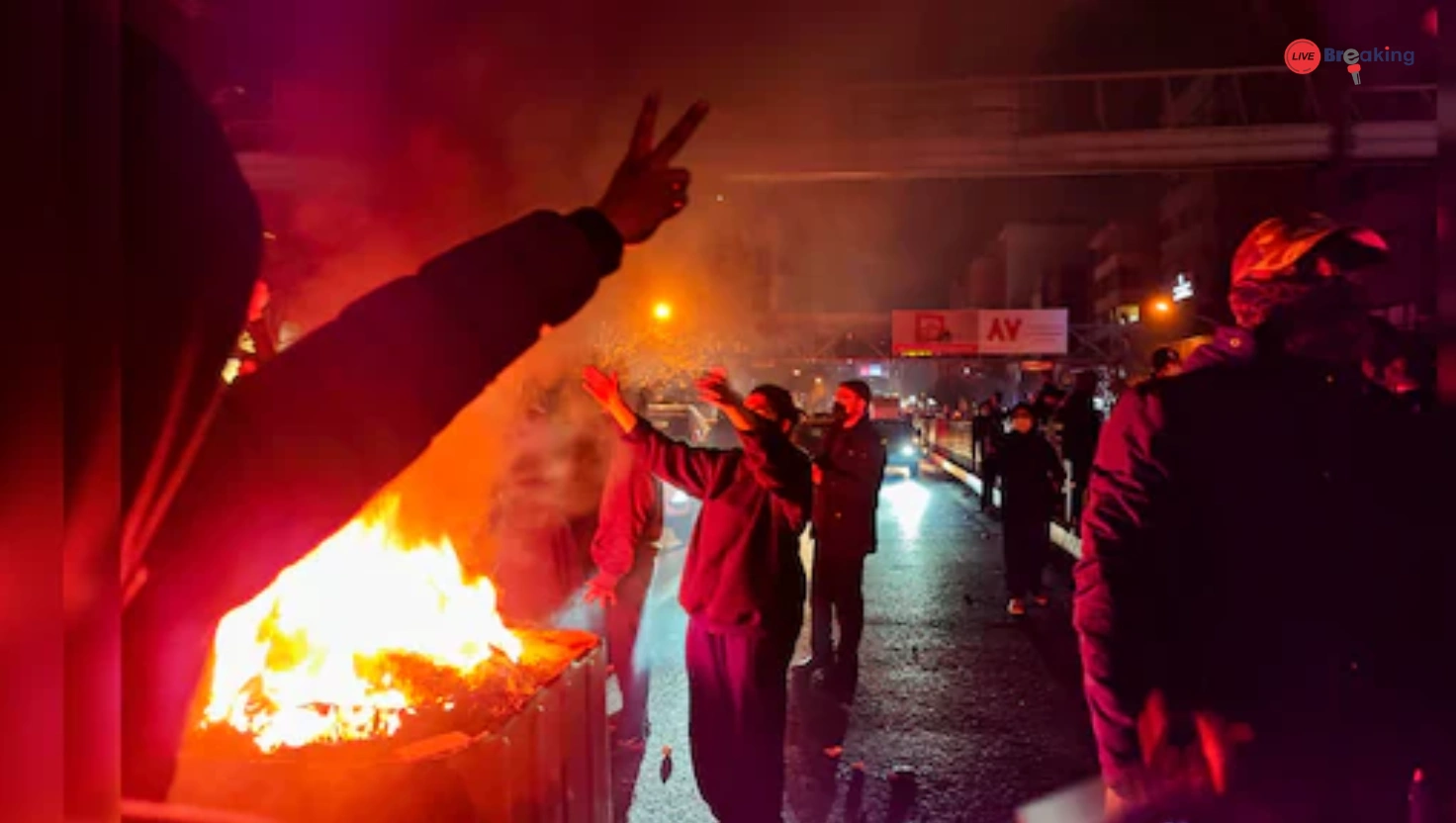
Public gatherings were restricted amid fears of protests, retaliatory actions, or foreign interference. Social media access was reportedly limited as officials sought to control the narrative and prevent misinformation from spreading.
Observers suggest that Iran’s leadership transition process—normally overseen by the Assembly of Experts—may now face extraordinary pressures under volatile circumstances.
Who Takes Power Next? Understanding Iran’s Succession Mechanism
Under Iran’s constitution, the Supreme Leader is the highest political and religious authority. Succession typically involves deliberations by the Assembly of Experts, an elected clerical body responsible for appointing and supervising the Supreme Leader.
However, this crisis scenario could complicate the process. Possible outcomes include:
| Scenario | Description | Potential Impact |
|---|---|---|
| Rapid Clerical Appointment | Assembly of Experts swiftly names successor | Stabilizes internal politics but may spark factional rivalry |
| Interim Leadership Council | Temporary council governs during transition | Prolonged uncertainty |
| IRGC-Influenced Transition | Military plays central role in leadership decision | Militarization of governance |
| Internal Power Struggle | Competing factions vie for control | Political instability, protests |
Political analysts note that the IRGC’s influence has grown significantly in recent years, making it a decisive factor in shaping the next phase of governance.
Israel-Iran Tensions: A Dangerous Flashpoint
The assassination is likely to intensify already fragile relations between Iran and Israel. Although no official confirmation has attributed responsibility, Iranian officials may view external actors as potential suspects.
Iran and Israel have engaged in a shadow conflict for years, involving cyber operations, targeted strikes, and proxy warfare across Syria and Lebanon. Any direct escalation could destabilize the broader Middle East.
Read more: ‘I Would Intervene But…’: Trump On Pakistan-Afghanistan “Open War”
Global powers, including the United States, Russia, and European nations, are closely monitoring developments. A miscalculation at this juncture could trigger wider military confrontation.
Economic Fallout: Markets React to Political Turmoil
Financial markets in the region reacted swiftly. Oil prices surged amid concerns about supply disruptions from the Persian Gulf. Iran’s currency faced renewed pressure, and investors signaled uncertainty about the country’s economic direction.
Key economic risks include:
-
Sanctions escalation
-
Disruption of oil exports
-
Currency depreciation
-
Capital flight
-
Increased inflation
Iran’s economy has already been strained by international sanctions and domestic challenges. A prolonged leadership vacuum could worsen financial instability.
Public Sentiment: Grief, Fear, and Uncertainty
For many Iranians, the Supreme Leader symbolized both continuity and authority. While public opinion inside Iran has been complex and often divided, the sudden loss of the country’s top figure creates a moment of collective uncertainty.
State media outlets have called for unity, urging citizens to remain calm and support the Islamic Republic’s institutions. Meanwhile, diaspora communities and political opposition groups abroad have reacted with varied perspectives.
The coming weeks will determine whether the country experiences cohesion or fragmentation.
Regional and Global Implications
The assassination’s impact extends far beyond Iran’s borders.
Potential Regional Effects:
-
Increased proxy activity in Syria, Iraq, and Lebanon
-
Escalation between Iran-backed groups and Israeli forces
-
Greater Gulf state security coordination
Global Effects:
-
Energy market volatility
-
Diplomatic tensions at the United Nations
-
Heightened global security alerts
The geopolitical consequences may reshape alliances and rivalries in the Middle East.
Historical Context: A Defining Moment for the Islamic Republic
Ayatollah Ali Khamenei had served as Supreme Leader since 1989, following the death of Ayatollah Ruhollah Khomeini. Over more than three decades, he guided Iran through wars, sanctions, nuclear negotiations, and regional conflicts.
Read more: Arvind Kejriwal, Manish Sisodia Cleared In Liquor Policy Case, Court Raps CBI
His assassination represents a dramatic break in continuity, placing Iran at a crossroads between reform, hardline consolidation, or systemic transformation.
What Happens Next?
Experts believe the next 30 to 60 days will be critical. Key indicators to watch include:
-
Speed of successor announcement
-
IRGC involvement in governance
-
Public demonstrations or unrest
-
Diplomatic statements from Israel and global powers
-
Oil price movements
Iran’s institutions were designed to withstand crises, but this moment may test their resilience more than any event in recent memory.
Frequently Asked Questions (FAQ)
1. Who was Ayatollah Ali Khamenei?
Ayatollah Ali Khamenei was the Supreme Leader of Iran from 1989 until his reported assassination. He held ultimate authority over Iran’s political, military, and religious institutions.
2. Who becomes Iran’s Supreme Leader now?
The Assembly of Experts is responsible for appointing a new Supreme Leader. However, emergency conditions may influence how quickly and through what process a successor is chosen.
3. Is Israel responsible for the assassination?
There is currently no confirmed official attribution. However, given longstanding tensions between Iran and Israel, speculation has increased.
Read more: PM Modi Congratulates BNP’s Tarique Rahman: “India Will Support Democratic, Inclusive Bangladesh”
4. How will this affect global oil prices?
Oil markets typically react sharply to instability in the Middle East. Any escalation could push prices higher due to supply concerns.
5. Could this lead to war?
While immediate war is not guaranteed, miscalculations or retaliatory strikes could increase the risk of regional conflict.
Conclusion
Iran now stands at a pivotal historical moment. The assassination of its Supreme Leader has triggered political shockwaves, security concerns, and global repercussions. Whether the country stabilizes quickly or enters a prolonged period of uncertainty will depend on how its institutions, military leadership, and political factions navigate this crisis.
The world watches closely as Iran attempts to move from shock toward survival—and possibly transformation.