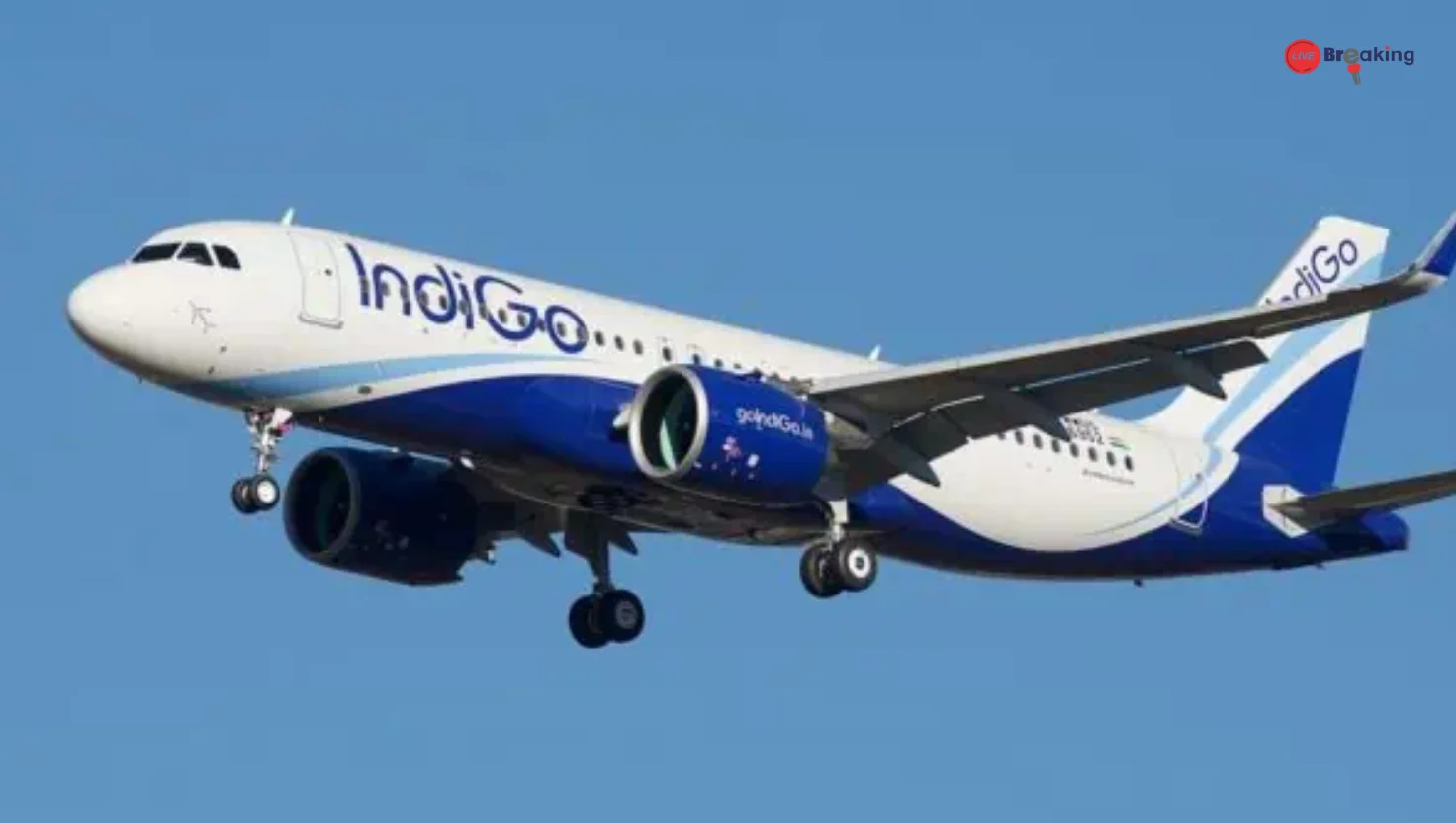
IndiGo Flight Cancellations Live Updates: IndiGo’s On-Time Performance Crashes To 8.5% At Major Airports
In an unprecedented meltdown, IndiGo — India’s largest airline — has seen its on-time performance (OTP) drop to an alarming 8.5% across six major metropolitan airports. On a single day, over 400 flights were cancelled, leaving thousands of passengers stranded at airports nationwide.
The crisis has triggered chaos at key hubs. Departures from major airports such as New Delhi, Chennai, Mumbai, Bengaluru and Hyderabad have been heavily disrupted — with all domestic departures from Delhi grounded till midnight on Friday. Airports reportedly saw long queues, confused travellers, last-minute cancellations, and minimal clarity from the airline about alternate arrangements.
For many passengers, their travel plans have effectively collapsed. Some waited for hours, only to get no confirmation of their flight status; others had to scramble for alternate flights at exorbitant fares.
Why This Happened: Crew Shortage, New Norms & Poor Planning
Crew Shortages + New Pilot Duty-Time Norms
The root cause lies largely with staffing — in particular, a shortage of pilots and cabin crew following the enforcement of stricter duty-time and rest regulations by the Directorate General of Civil Aviation (DGCA).
Under new rules (called FDTL — Flight Duty Time Limitations), crews must have longer rest periods, and the number of night-time landings per pilot has been drastically reduced. This transformation — designed to enhance safety — has had a brutal impact on airlines like IndiGo that operate large numbers of flights daily and rely heavily on night-time rotations.
Insiders say that IndiGo failed to build sufficient buffer staffing or accelerate pilot training to meet the new requirements in time.
Technical Glitches, Airport Congestion, and Winter Pressures
Alongside crew issues, technical glitches at some airports — such as check-in or departure systems failing — added to the chaos. Further, heavy airport congestion (especially during peak winter travel season), adverse weather conditions, and increased pressure on airport infrastructure contributed to cascading delays and cancellations.
Putting it all together: reduced crew availability + heavier compliance norms + structural overload = a perfect storm disrupting flight operations.
What This Means for Passengers and India’s Aviation Industry
Passengers Bear the Brunt: Thousands have been stranded. Many had to rebook flights at short notice, or spend hours waiting in queues. For some — including elderly and senior citizens — the ordeal was especially harrowing.
Fare Hike on Alternate Airlines: With IndiGo flights grounded, demand for seats on other carriers surged, pushing one-way economy fares to steep levels — some reportedly reaching up to ₹39,000.
Wider Systemic Alarm: The crisis has exposed structural risks within India’s aviation — especially how over-reliance on a single dominant carrier can create nationwide disruption if things go wrong.
Read more: Trump Vows Permanent Halt on Migration From ‘Third World Countries’ After DC Shooting
Regulation and Oversight Under Spotlight: The DGCA has initiated investigations and demanded a mitigation plan from IndiGo.
What’s Next: Relief, Recovery & Possible Regulatory Steps
- IndiGo has reportedly requested a partial waiver from some of the new pilot rest-duty norms to ease pressure on crew scheduling.
- The airline has informed DGCA that it anticipates full operational recovery by February 10, 2026, when aviation operations are expected to stabilise after retraining pilots, reworking rosters, and improving turnaround processes.
- In the meantime, the airline expects more cancellations over the next 2–3 days as they work to stabilise the schedule.
- Regulators have signaled close monitoring of airfare spikes and warned other airlines against exploiting the disruption to hike prices unfairly.
Conclusion: A Wake-Up Call for Airline Preparedness and Regulation
The scale and suddenness of the disruption at IndiGo — once famed for its punctuality — has shaken both passengers and the aviation industry. While the new FDTL norms are meant to strengthen safety by preventing crew fatigue, the chaos shows that regulatory reforms must be matched with proactive planning and capacity building by airlines.
Read more: Sanchar Saathi Not Mandatory: Telecom Minister Clears Air Amid Privacy Row
IndiGo’s failure to anticipate the staffing needs, adapt quickly, or build buffer capacity has not only trapped travelers but exposed how fragile the system becomes when one large player stumbles. As passengers grapple with cancellations and steep fare hikes, regulators and airlines must ensure that safety-driven reforms do not come at the cost of reliability — especially during high-demand travel seasons.
The coming weeks will be critical: will IndiGo restore stability and regain public trust? Will DGCA’s oversight ensure fair pricing and prevent exploitation? For passengers, the hope is simple — honesty, clarity, and flights that actually take off on time.