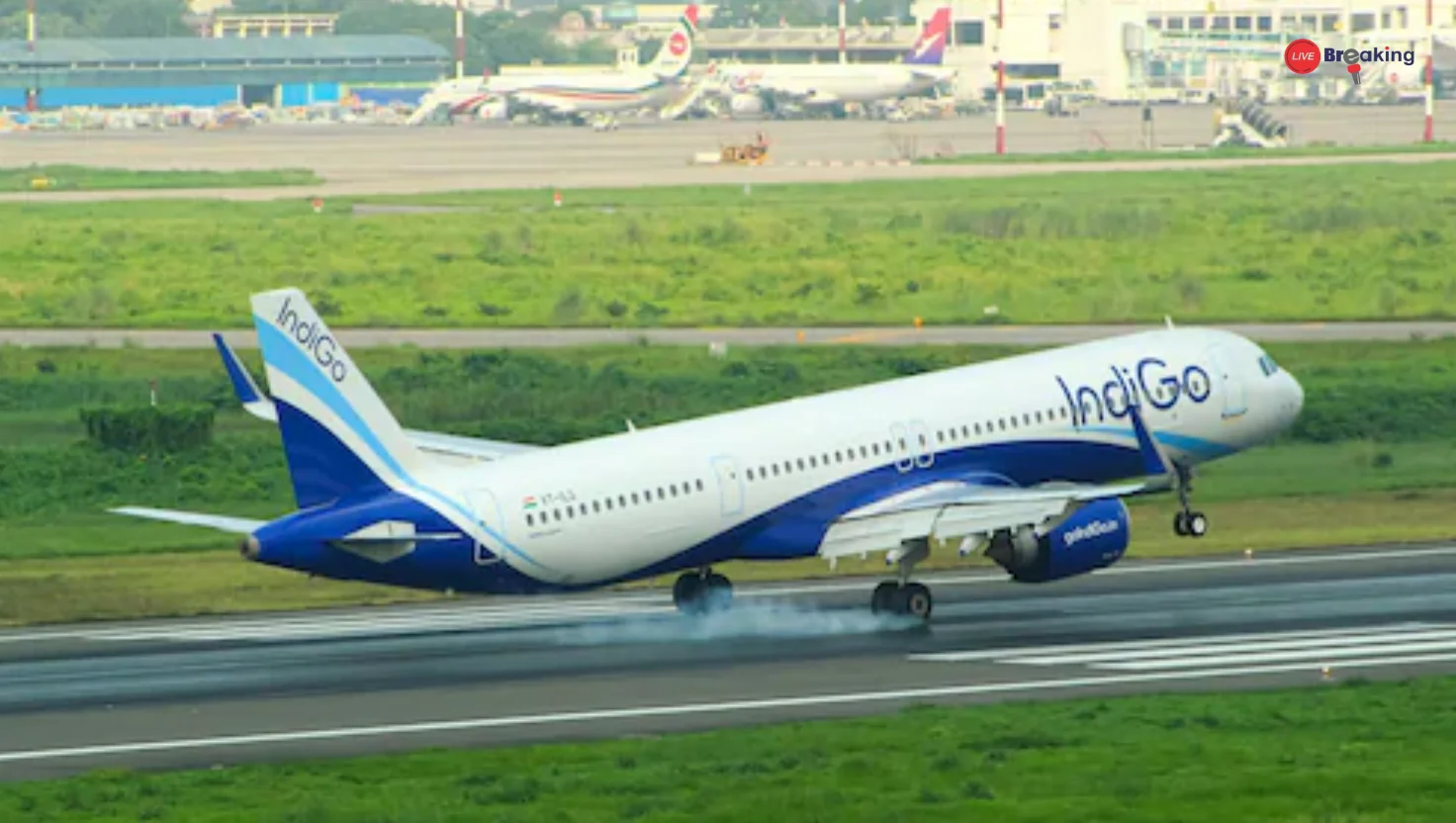
IndiGo Flight Chaos: Over 270 Flights Cancelled, Major Airports Face Turmoil
In a dramatic turn of events, IndiGo — India’s largest domestic airline — has faced one of the worst operational crises in recent times, with more than 270 flights cancelled and hundreds more delayed across the country. The disruption has unfolded over the past few days, triggering chaos at major airports, stranding thousands of passengers, and raising serious questions about airline preparedness and regulatory impact.
What Happened: Scale of Disruption
-
According to recent official data, the national aviation regulator DGCA revealed that in November alone, IndiGo cancelled 1,232 flights — of which 755 cancellations (about 61%) were directly linked to crew-related constraints and compliance with the newly introduced flight duty norms.
-
Over the past 48 hours alone, the airline has cancelled more than 270 flights nationwide. On Wednesday, at least 150 flights were cancelled; by Thursday morning, another 175 flights were grounded.
-
At major airports — including Delhi, Mumbai, Hyderabad, Bengaluru and Pune — passengers reported long queues, repeated gate changes, delays of over several hours, and in many cases being stranded without adequate communication from airline staff.
The disruption marks one of the biggest operational breakdowns in recent years for IndiGo, which typically prides itself on punctuality and reliability.
What Caused It: Crew Shortage, New Norms & Operational Chaos
New Crew Duty Norms & Rostering Crisis
The central reason behind this chaos is the implementation of stricter pilot and crew rest regulations — known as Flight Duty Time Limitation (FDTL) norms — which came into effect on November 1. These norms expanded mandatory rest periods for pilots and cabin crew and restricted night-flying hours, making the existing roster system inadequate.
Due to these tighter regulations, many flights could not be operated simply because crews rostered earlier were no longer legally available to fly. As a result, entire rotations had to be cancelled.
Technical, Weather & Congestion-Related Headwinds
Beyond crew shortages, a mix of complicating factors worsened the situation: technical glitches at airports, heavy winter-season scheduling, adverse weather in some regions, and severe airport congestion.
In statements, IndiGo acknowledged these factors, noting that a “negative compounding impact” made it impossible to anticipate or mitigate the full scale of disruption.
Impact: Passengers Stranded, Airports in Disarray
The fallout was immediate and painful for travelers:
-
Many passengers were left waiting in huge queues at check-in counters while gate assignments changed multiple times. One traveler reportedly experienced four gate changes before boarding was announced.
-
Several airports — notably the Rajiv Gandhi International Airport (RGIA) in Hyderabad — saw extended periods of confusion, with cancelled arrivals and departures totaling dozens over a 24-hour period.
-
On-time performance (OTP) metrics for IndiGo plummeted: only about 35% of flights across metro airports departed on time on one of the peak disruption days, compared to its usual 80-plus percent.
-
With its market share hovering around 60%, such widespread failure at IndiGo sent shockwaves across domestic air travel, underscoring systemic vulnerabilities across India’s aviation ecosystem.
Read more: Trump Vows Permanent Halt on Migration From ‘Third World Countries’ After DC Shooting
What IndiGo & Authorities Are Doing
In reaction to the crisis, IndiGo has initiated “calibrated adjustments” to its schedule, aiming to stabilise operations within the next 48 hours. The airline has asked passengers to check flight status online before heading to airports.
Meanwhile, the DGCA has launched a probe into the wave of cancellations and delays, assessing how compliance with new regulations and other operational factors may have contributed to the meltdown.
Airports have also issued public advisories, urging stranded flyers to connect with IndiGo’s customer-service cell for rebooking or refunds, and to be alert to changing flight-status updates.
Broader Significance: What This Means for Indian Aviation
The current meltdown at IndiGo is more than a temporary operational failure — it exposes deeper structural challenges at a time when India’s aviation demand is skyrocketing.
-
The FDTL norms — designed to improve safety and crew well-being — have shaken the scheduling foundations of major airlines. IndiGo’s struggle suggests that rapid expansion and lean crew planning may no longer be compatible with evolving regulatory demands.
-
The crisis demonstrates how a single airline’s disruptions can cascade across the aviation ecosystem, given IndiGo’s dominant market share. As such, the reliability of domestic air travel is now under question.
-
The episode underscores the need for better workforce planning, transparent communication with passengers, robust fallback scheduling, and coordinated contingency strategies at airports and airlines alike.
Until now, IndiGo built its brand around affordability, reach and punctuality; the recent collapse may force both the airline and the broader industry to reevaluate what “reliability” truly means in a high-volume domestic market under evolving regulatory stress.
Read more: Sanchar Saathi Not Mandatory: Telecom Minister Clears Air Amid Privacy Row
What Passengers Should Do Now
-
Check Flights Before Leaving Home — Always verify flight status on IndiGo’s official website or app before proceeding to the airport.
-
Explore Alternate Plans Early — If your flight is cancelled or significantly delayed, consider rebooking on another airline, or defer non-urgent travel.
-
Keep Documentation Handy — Save emails/screenshots for cancellations or delays — useful while claiming refunds or compensation.
-
Monitor Updates Closely — With DGCA’s probe and IndiGo’s recovery plan underway, further advisories may be issued.
IndiGo’s massive recent cancellations should serve as a wake-up call for travellers and the aviation industry alike. As the airline scrambles to restore normalcy, the coming days will matter — both for those waiting in airport queues today, and for the future reliability of domestic air travel in India.