India GDP Grows 7.8% in Q3 FY26; Full-Year Growth Estimated at 7.6%
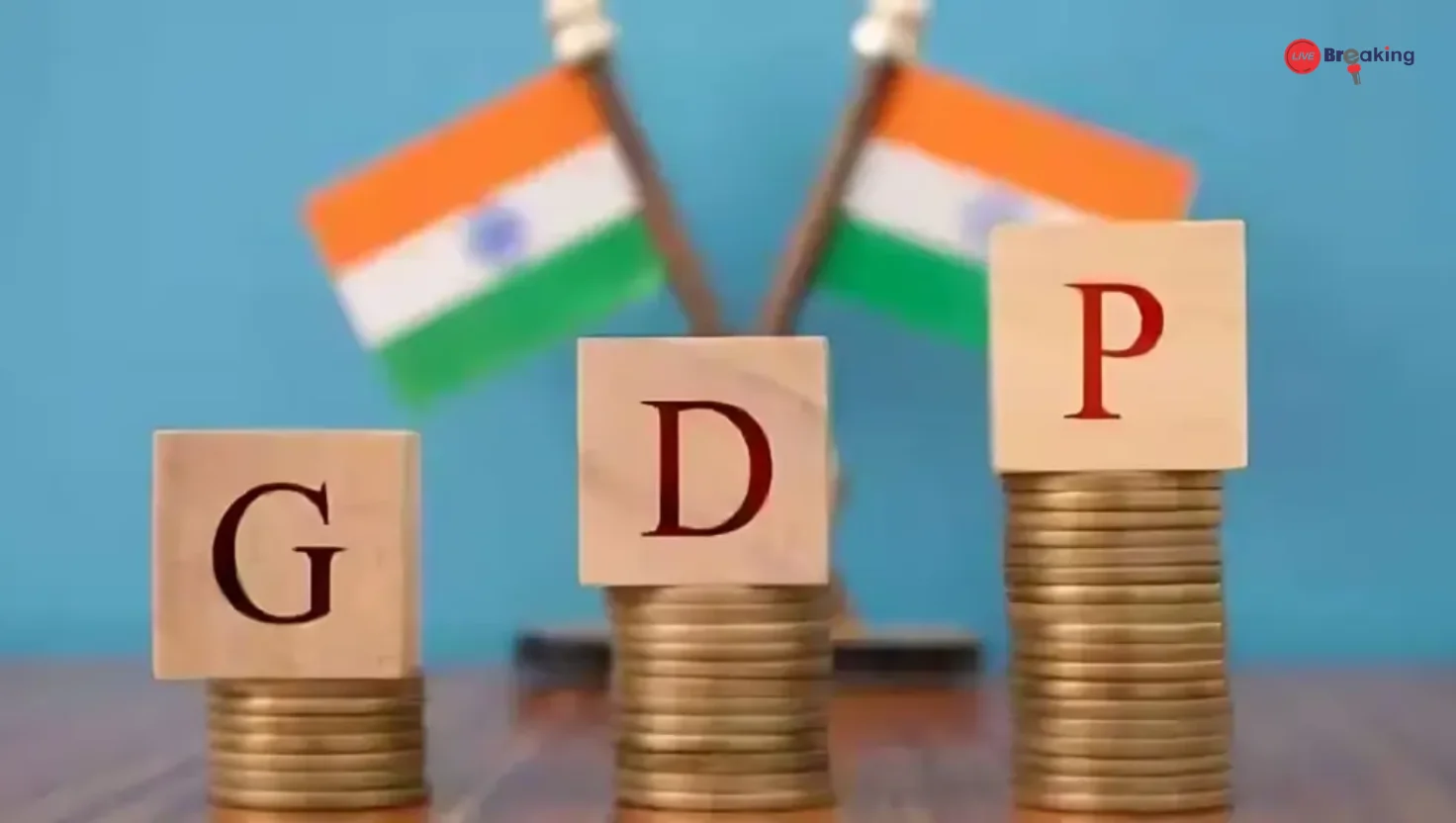
India GDP Grows: India’s economy expanded by 7.8% in the October–December quarter (Q3 FY26), according to official data released under the revised base year series. The robust performance reinforces India’s position as one of the fastest-growing major economies in the world. For the full financial year FY26, economic growth has been pegged at 7.6%, reflecting resilience across manufacturing, construction, and services sectors.
The new GDP series, based on an updated base year, provides a more refined and accurate picture of economic activity, incorporating structural changes and expanded data coverage. The revision aligns India’s national accounts methodology with global statistical standards, improving reliability for policymakers, investors, and analysts.
What Drove the 7.8% Growth in Q3 FY26?
The October–December quarter witnessed broad-based expansion across key sectors:
1. Manufacturing Revival
Manufacturing showed strong recovery, supported by improved domestic demand, festive season consumption, and increased export orders. Production-linked incentive (PLI) schemes and capacity expansion also contributed to higher output levels.
2. Construction Boom
Infrastructure projects, real estate momentum, and government capital expenditure fueled growth in the construction sector. Public investment in roads, railways, and housing schemes significantly supported economic activity.
3. Services Sector Strength
Services remained a pillar of growth, particularly financial services, trade, hospitality, and digital services. The festive season further boosted retail and travel-related demand.
4. Government Spending
Continued capital expenditure by the central government enhanced economic multiplier effects, particularly in infrastructure and rural development programs.
Sector-Wise GDP Performance Snapshot
| Sector | Q3 FY26 Growth (%) | Key Drivers |
|---|---|---|
| Manufacturing | 8.5% | PLI schemes, export demand |
| Construction | 9.2% | Infra push, real estate activity |
| Services | 7.1% | Financial services, retail growth |
| Agriculture | 3.8% | Stable crop output |
| Overall GDP | 7.8% | Broad-based expansion |
(Figures indicative based on official release trends)
New Base Year Series: Why It Matters
India’s GDP calculations now reflect a revised base year to better capture structural shifts in the economy. Updating the base year allows:
-
Inclusion of new-age sectors such as digital services
-
Better measurement of informal sector activity
-
Alignment with international statistical standards
-
Improved policymaking accuracy
Rebasing ensures GDP figures reflect current economic realities rather than outdated structural patterns.
Full-Year FY26 Growth Estimated at 7.6%
While Q3 growth came in at 7.8%, full-year FY26 growth is projected at 7.6%. This slight moderation reflects:
-
Global economic uncertainties
-
Volatility in commodity prices
-
External trade pressures
-
Geopolitical risks
However, domestic demand continues to provide a strong cushion. Private consumption and capital formation remain key growth engines.
Implications for Investors and Markets
The strong GDP numbers are likely to:
-
Boost investor confidence
-
Support equity market sentiment
-
Strengthen India’s sovereign credit outlook
-
Encourage foreign direct investment
A steady growth rate above 7% reinforces India’s macroeconomic stability amid global slowdowns in developed economies.
Read more: Arvind Kejriwal, Manish Sisodia Cleared In Liquor Policy Case, Court Raps CBI
Impact on Monetary Policy
The Reserve Bank of India (RBI) may assess inflation trends alongside growth momentum before deciding on interest rate policy. Strong growth combined with controlled inflation could allow room for accommodative policies, while overheating risks may lead to caution.
Key Economic Indicators Supporting Growth
-
Strong GST collections
-
Rising industrial output
-
Improved credit growth
-
Stable inflation trajectory
-
Robust digital economy expansion
These indicators collectively reflect underlying structural resilience.
Challenges Ahead
Despite the strong Q3 performance, certain risks remain:
-
Global recessionary trends
-
Supply chain disruptions
-
Oil price volatility
-
Monsoon dependency impacting agriculture
-
Export market uncertainties
Policymakers will need to balance fiscal prudence with growth support.
Read more: YouTuber In Hyderabad Sends Mother In Kuwait “I Love You” Text, Then Kills Self
Outlook for FY27
Looking ahead, India’s growth trajectory will depend on:
-
Continued infrastructure spending
-
Manufacturing competitiveness
-
Export diversification
-
Technology adoption
-
Ease of doing business reforms
If reforms continue at the current pace, India may sustain growth above 7% over the medium term.
Frequently Asked Questions (FAQs)
Q1: What was India’s GDP growth in Q3 FY26?
India’s GDP grew by 7.8% in the October–December quarter (Q3 FY26) as per official data.
Q2: What is the estimated GDP growth for FY26?
The full-year FY26 growth has been pegged at 7.6% under the new base year series.
Q3: Which sectors contributed most to Q3 growth?
Manufacturing, construction, and services sectors were major contributors to the strong growth performance.
Q4: What is the significance of the new base year?
The new base year updates GDP calculations to better reflect current economic structures and align with global standards.
Q5: How does this impact investors?
Strong GDP growth enhances investor confidence, supports market sentiment, and strengthens India’s global economic positioning.
Read more: PM Modi Congratulates BNP’s Tarique Rahman: “India Will Support Democratic, Inclusive Bangladesh”
Conclusion
India’s 7.8% GDP growth in the October–December quarter underscores the economy’s resilience and strength amid global headwinds. With FY26 growth projected at 7.6%, India continues to lead among major economies in terms of expansion pace. Robust domestic demand, infrastructure investment, and policy reforms remain key growth drivers.
As global uncertainties persist, sustaining structural reforms and capital expenditure momentum will be crucial in maintaining India’s upward economic trajectory.