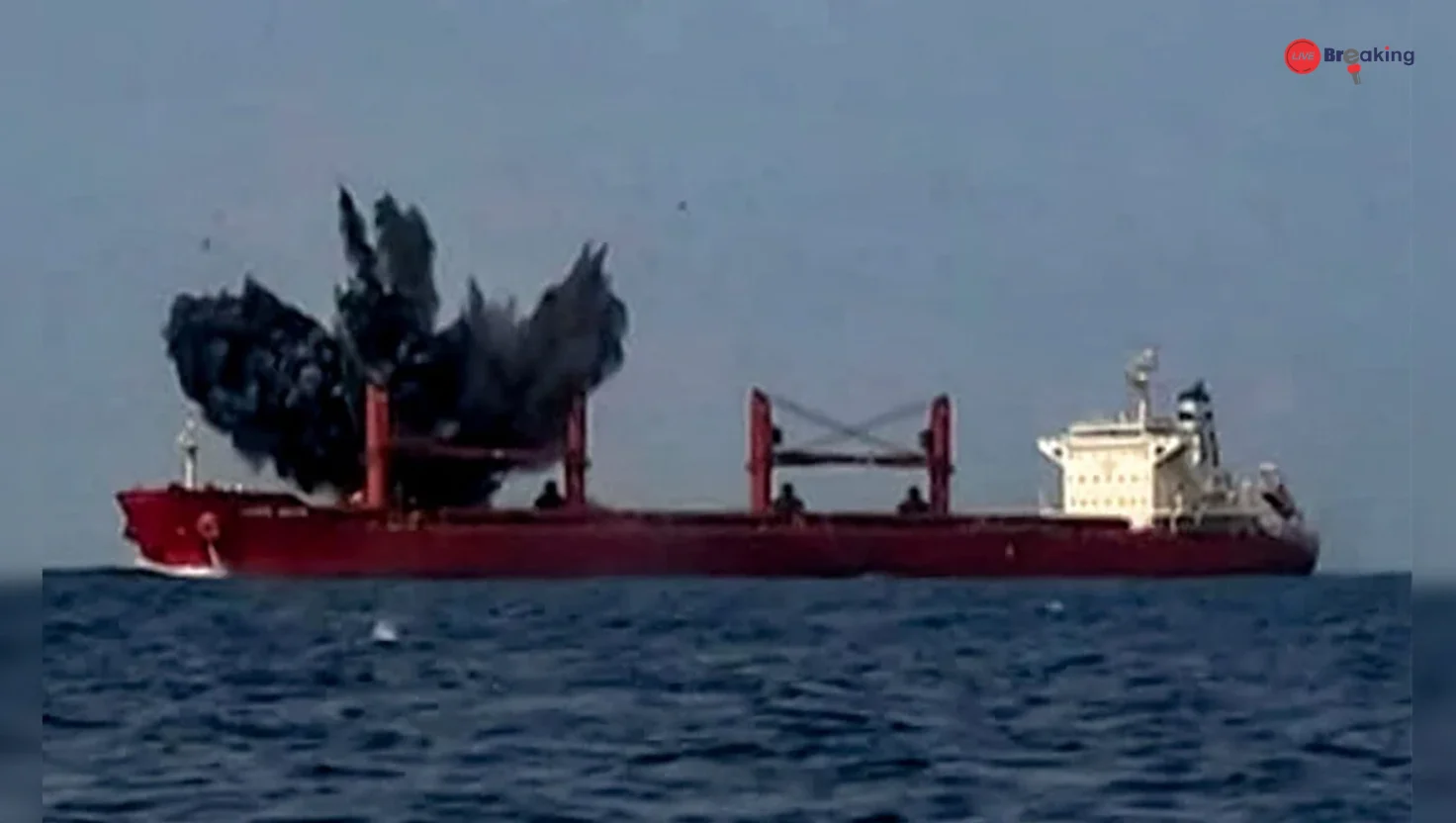
Indian Killed In Underwater Drone Attack By Iran On US-Owned Oil Tanker
A tragic maritime incident has escalated tensions in the Middle East after an Indian crew member was killed in an underwater drone attack on a US-owned oil tanker in the Persian Gulf. The attack reportedly targeted the tanker Safesea Vishnu near the Iraqi port city of Basra.
According to officials and reports, Iran claimed responsibility for the strike, stating that two oil tankers were attacked using underwater drones in the region. The incident occurred amid rising tensions involving Iran, the United States, and its allies in the Gulf.
The death marks one of the first known Indian casualties in the recent maritime escalation in the Gulf region.
Details of the Attack on the Oil Tanker
The tanker Safesea Vishnu, owned by a US-based shipping company, was operating in Iraqi territorial waters when it came under attack. Reports indicate that explosive-laden underwater drones or suicide boats struck the vessel, causing a powerful explosion and fire onboard.
The blast resulted in the death of one Indian crew member. Fortunately, several other crew members — including multiple Indians — were safely evacuated by maritime authorities and moved to safety.
Another oil tanker was also reportedly targeted in the same attack, indicating a coordinated strike on commercial shipping in the region.
Rescue Operation and Crew Evacuation
Following the explosion, emergency rescue operations were launched to secure the vessel and evacuate the crew.
Authorities confirmed that around 15 Indian sailors were successfully rescued and transported to safety. The Indian Embassy in Baghdad stated that it is closely coordinating with Iraqi authorities and shipping companies to assist the affected crew members.
Maritime security agencies are currently assessing the damage caused to the tanker and investigating the precise method used in the attack.
Strategic Importance of the Strait of Hormuz
The attack occurred close to one of the world’s most crucial maritime trade routes — the Strait of Hormuz.
This narrow waterway connects the Persian Gulf with the Arabian Sea and plays a critical role in global energy supply.
Key Facts About the Strait of Hormuz
-
Nearly 20% of the world’s oil shipments pass through this route.
-
It is one of the busiest oil shipping lanes globally.
-
Any disruption can cause major spikes in global oil prices.
-
The strait lies between Iran and Oman.
Iran has previously threatened to target ships attempting to pass through the strait, raising fears of disruptions to global oil trade.
Rising Maritime Attacks in the Gulf Region
The drone attack on the US-owned tanker is part of a series of recent maritime incidents across the Gulf.
Security analysts say that explosive sea drones are increasingly being used to target commercial vessels, posing new threats to global shipping.
In the past few weeks:
-
Multiple commercial ships have reported being struck by projectiles.
-
Several tankers have been damaged or forced to evacuate crew.
-
Insurance costs for ships traveling through the region have surged.
Experts warn that continued attacks could severely impact global energy markets.
Read More: Iran War Triggers LPG Shortage in India: Restaurants Turn to Wood and Coal
Global Reactions to the Attack
The attack has triggered international concern.
The United States has condemned the incident and warned of consequences if commercial shipping continues to be targeted. Meanwhile, maritime security forces are increasing patrols in the region to protect vessels.
India has also expressed concern over the death of its national and is closely monitoring the situation.
Global shipping companies are now reassessing routes through the Persian Gulf due to heightened risks.
Timeline of Key Events
| Date | Event |
|---|---|
| March 2026 | Rising tensions in the Gulf due to Iran-US conflict |
| Recent days | Iran threatens to target ships in Strait of Hormuz |
| Attack Day | Underwater drone strikes US-owned tanker Safesea Vishnu |
| Same Day | One Indian crew member killed, several rescued |
| Aftermath | Rescue operations launched and investigations begin |
Impact on Global Oil Markets
The Persian Gulf region plays a crucial role in the global energy supply chain. Any attacks on tankers can disrupt oil shipments and affect international markets.
Read more: How Mossad Spies & Hacked Traffic Cameras Led to Khamenei Assassination – Deep Intel Report
Experts warn that if attacks continue:
-
Oil prices could surge sharply.
-
Shipping routes may be rerouted.
-
Global energy supply chains could face disruptions.
The incident has already raised concerns among shipping companies and governments worldwide.
Conclusion
The underwater drone attack on the US-owned oil tanker highlights the growing risks faced by commercial vessels navigating the Persian Gulf. The death of an Indian crew member underscores the human cost of escalating geopolitical tensions in the region.
As investigations continue and international tensions remain high, maritime security and the safety of global shipping lanes will remain a major concern for governments and industry leaders alike.
Frequently Asked Questions (FAQs)
1. Who was killed in the oil tanker attack?
An Indian crew member aboard the US-owned tanker Safesea Vishnu was killed during the underwater drone attack.
Read more: How Mossad Spies & Hacked Traffic Cameras Led to Khamenei Assassination – Deep Intel Report
2. Where did the attack happen?
The attack occurred near Basra in Iraq, within the Persian Gulf region.
3. What type of weapon was used in the attack?
Reports suggest underwater drones or explosive drone boats were used to strike the tanker.
4. Why is the Strait of Hormuz important?
It is a crucial global shipping route through which around 20% of the world’s oil supply passes.
5. Were other crew members rescued?
Yes. Several crew members, including Indian nationals, were successfully evacuated after the attack.