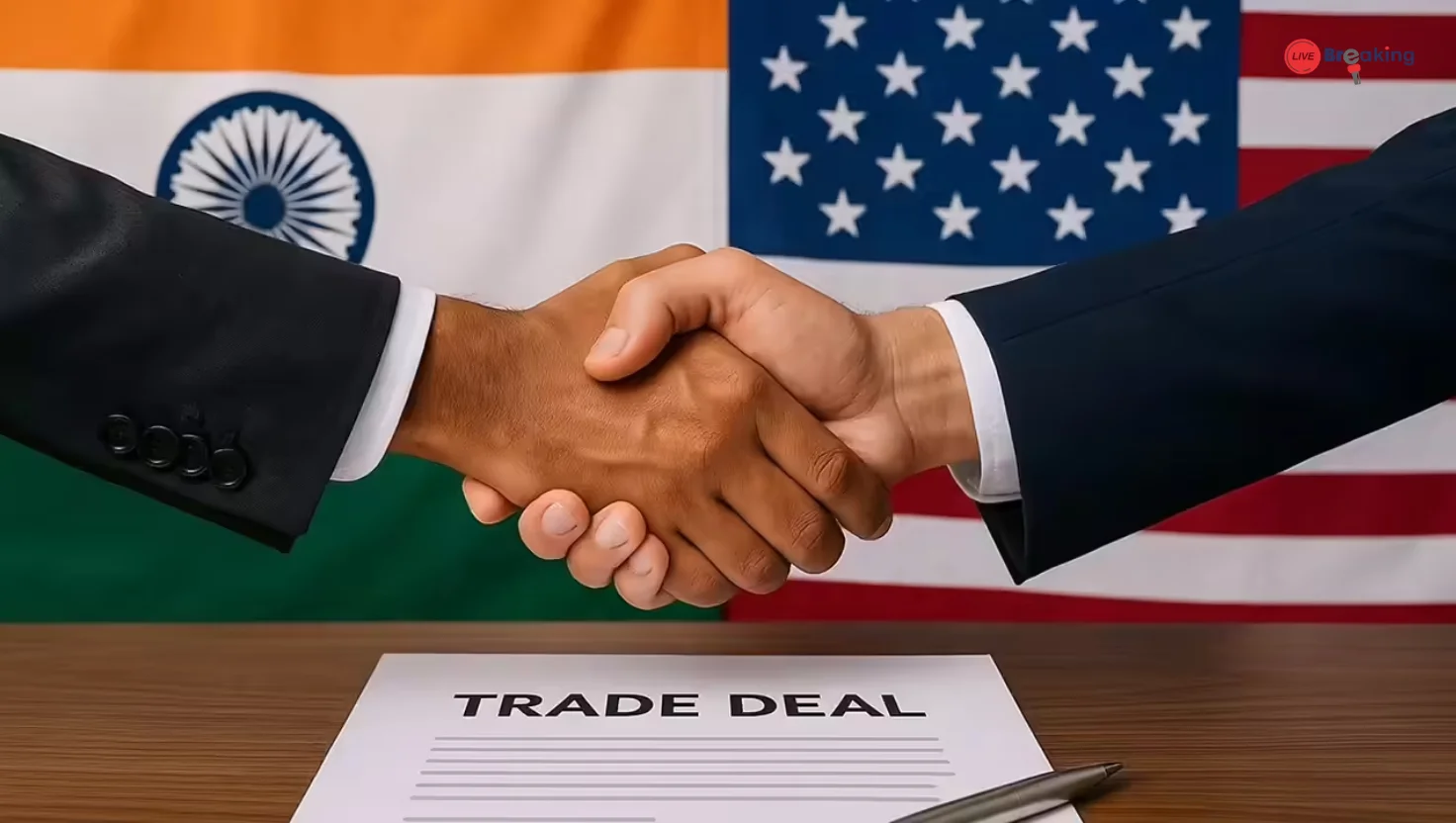
India–US Trade Deal With 18% Reciprocal Tariff Likely Next Week, Latest Update
According to sources cited in recent reports, India and the United States are expected to sign a significant bilateral trade agreement next week that includes an 18% reciprocal tariff structure. If finalized, the deal could mark an important milestone in economic ties between the two strategic partners, especially at a time when global trade dynamics are undergoing rapid shifts.
The proposed agreement is being viewed as a pragmatic step aimed at balancing trade interests, addressing long-standing tariff concerns, and strengthening overall economic cooperation between the two nations.
What Is the India–US Reciprocal Tariff Deal About?
The key highlight of the proposed agreement is the introduction of an 18% reciprocal tariff, meaning both countries would impose similar tariff rates on select goods and services. This approach is designed to ensure greater parity and fairness in bilateral trade, a concern that has featured prominently in past negotiations.
While official details are yet to be released, sources indicate that the agreement may cover multiple sectors, including manufacturing, industrial goods, and certain agricultural and technology-related products. The reciprocal tariff framework is expected to reduce friction, simplify trade rules, and provide businesses on both sides with clearer cost expectations.
Why This Deal Matters for India and the United States
Trade relations between India and the US have expanded steadily over the last decade, with bilateral trade crossing hundreds of billions of dollars annually. However, tariff disputes and market access issues have occasionally slowed momentum.
This deal matters because:
-
It reflects mutual willingness to compromise on tariff-related disagreements
-
It supports predictable trade conditions for exporters and importers
-
It strengthens the strategic economic partnership beyond defense and diplomacy
-
It signals stability to global markets amid geopolitical uncertainty
For India, the agreement could improve access to the US market while protecting domestic industries through reciprocal measures. For the US, it offers a clearer framework for engaging with one of the world’s fastest-growing major economies.
Timing and Strategic Context of the Agreement
The anticipated signing next week comes at a crucial time. Both countries are reassessing supply chains, trade dependencies, and economic alliances in response to global disruptions. Against this backdrop, a structured tariff agreement could help insulate bilateral trade from volatility.
Read more: “Traitor Friend”: Rahul Gandhi Dig At BJP’s Ravneet Bittu Sparks Huge Row
Sources suggest that negotiations have been ongoing behind closed doors, with both sides keen to avoid prolonged uncertainty. The timing also indicates a desire to send a strong message about long-term cooperation and economic alignment.
Potential Impact on Businesses and Consumers
If implemented, the 18% reciprocal tariff could have mixed but manageable effects:
-
Businesses may benefit from clearer tariff rules, enabling better pricing and planning
-
Exporters could see improved market access with reduced unpredictability
-
Consumers may experience minor price adjustments in some imported goods
-
Investors may view the deal as a positive signal of policy stability
Experts note that while tariffs can influence prices, predictability often matters more for long-term growth and investment decisions.
What Happens Next After the Signing?
Once signed, the agreement is expected to move into the implementation and review phase, during which specific product categories, compliance mechanisms, and timelines will be clarified. Regulatory authorities in both countries will likely issue detailed guidelines to ensure smooth execution.
Read more: “Justice Crying Behind Closed Doors”: Mamata Banerjee To Chief Justice On SIR
Trade analysts believe this deal could also serve as a foundation for broader economic cooperation, potentially paving the way for future agreements on digital trade, technology collaboration, and supply chain resilience.
FAQs
Q1. What is a reciprocal tariff?
A reciprocal tariff means both countries apply similar tariff rates to each other’s goods, ensuring balance and fairness in trade.
Q2. What is the tariff rate mentioned in the India–US deal?
According to sources, the proposed agreement includes an 18% reciprocal tariff.
Q3. Has the India–US trade deal been officially signed?
No, as of now it has not been signed. Sources indicate it is likely to be finalized next week.
Read more: 8 Opposition MPs Suspended For Throwing Papers At Chair In Lok Sabha, BJP Says ‘Utter Disrespect’
Q4. Will this deal affect all products traded between India and the US?
Details are still awaited, but the tariff is expected to apply to select categories, not all goods.
Q5. Why is this deal important now?
It comes at a time of global economic uncertainty and aims to bring stability and predictability to India–US trade relations.
Conclusion
The proposed India–US trade deal featuring an 18% reciprocal tariff represents a significant step toward recalibrating bilateral economic relations. While official confirmation and fine print are still awaited, the agreement underscores a shared intent to move forward with a more balanced, transparent, and cooperative trade framework. If executed effectively, it could strengthen long-term ties and offer tangible benefits to businesses, consumers, and investors in both countries.