India Tariffs Cut To 10% As Donald Trump Faces US Supreme Court Setback
In a significant development in global trade relations, India’s tariffs have been reduced to 10%, coinciding with fresh political and legal challenges faced by former US President Donald Trump. The move comes at a time when trade tensions, domestic political pressures, and judicial scrutiny are reshaping international economic strategies.
The tariff cut marks a notable shift in trade dynamics between India and the United States. It reflects a broader recalibration of economic policies aimed at stabilizing bilateral trade and encouraging smoother cross-border business operations.
Why India’s Tariffs Were Reduced to 10%
The reduction in tariffs to 10% signals a strategic adjustment in trade policy. Tariffs—taxes imposed on imported goods—have long been used as tools to protect domestic industries or exert economic pressure during negotiations. However, they can also disrupt supply chains and increase costs for businesses and consumers.
India’s move to lower tariffs suggests an effort to ease trade friction and create a more business-friendly environment. By bringing tariffs down to 10%, policymakers appear to be encouraging imports in selected sectors while signaling openness to global trade partnerships.
This decision may also be aimed at balancing economic growth priorities. Lower tariffs often stimulate trade volumes, attract foreign investment, and support industries reliant on imported raw materials or intermediate goods.
Donald Trump’s Supreme Court Setback and Its Broader Impact
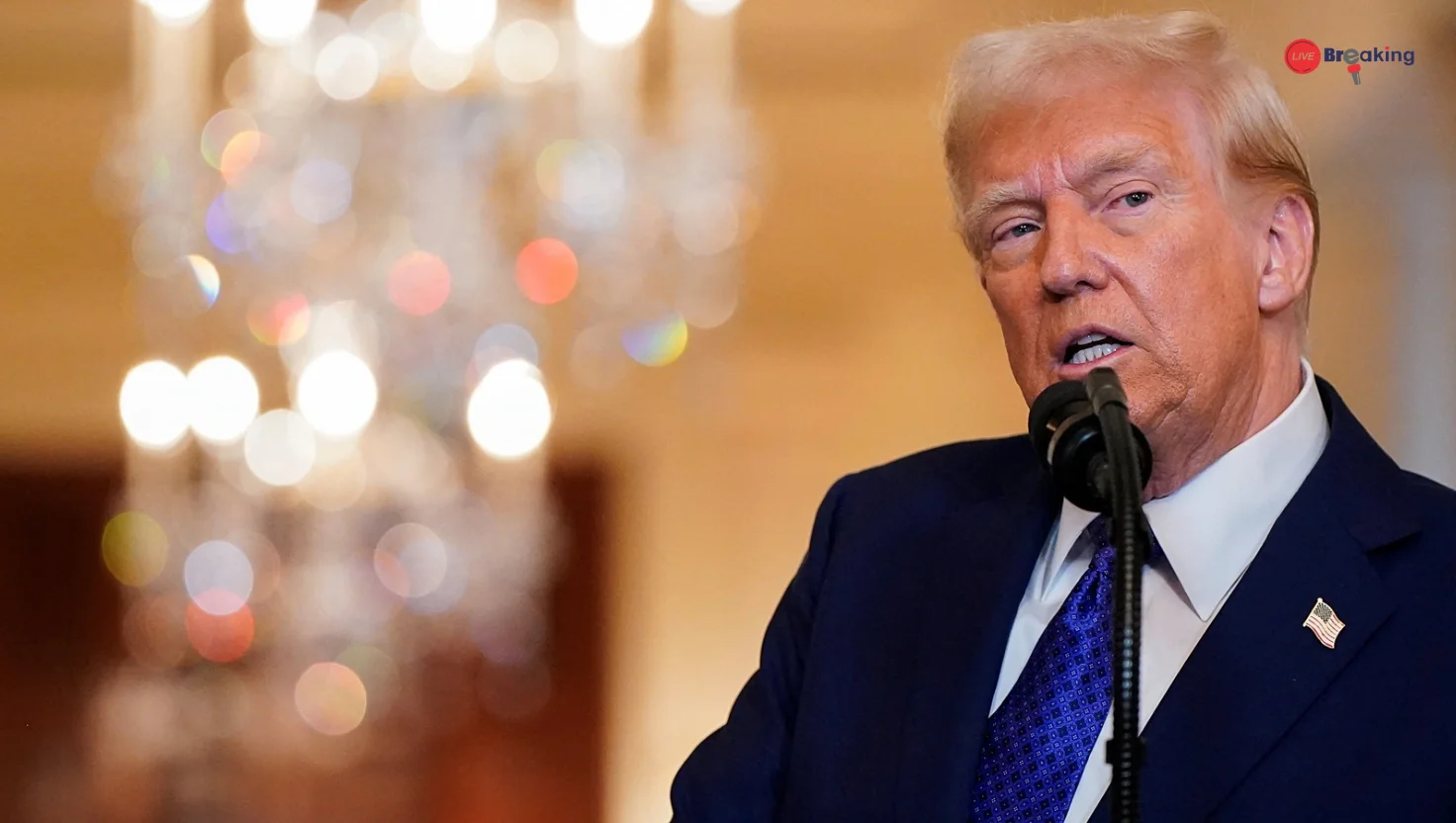
The tariff development comes as Donald Trump faces a setback in the US Supreme Court. While the legal matter is separate from trade policy, political uncertainty in Washington can influence economic decisions both domestically and internationally.
Legal challenges at the highest judicial level can affect policy momentum, regulatory direction, and investor sentiment. In this case, the Supreme Court setback adds another layer of complexity to an already evolving political landscape in the United States.
Political uncertainty often triggers caution in markets. Businesses closely monitor such developments, particularly when trade policies and tariffs are involved. Decisions made during periods of legal or political turbulence can carry long-term implications for economic relationships between major countries like the US and India.
What This Means for US-India Trade Relations
The United States and India share a strong trade partnership across technology, pharmaceuticals, defense, agriculture, and manufacturing sectors. Tariff adjustments are closely watched because they directly impact exporters, importers, and multinational corporations operating between the two countries.
Reducing tariffs to 10% could:
-
Improve competitiveness of imported goods
-
Lower production costs for Indian manufacturers
-
Encourage stronger bilateral trade flows
-
Ease tensions that previously strained negotiations
Trade policy is rarely static. It evolves based on diplomatic relations, economic priorities, and domestic political conditions. In this case, the tariff cut may represent a practical step toward stabilizing economic engagement during a period of political flux in the US.
Market Reactions and Economic Outlook
Markets generally respond positively to tariff reductions because they signal openness and predictability in trade policy. Lower trade barriers can lead to increased business confidence and stronger cross-border commerce.
For India, the move could support growth in sectors dependent on global supply chains. For US exporters, it may provide renewed access and pricing advantages in the Indian market.
However, long-term outcomes will depend on how both countries navigate broader economic challenges, including inflation, supply chain disruptions, and geopolitical tensions.
The Bigger Picture: Trade Policy in a Politically Charged Environment
Global trade today operates in a politically sensitive environment. Court rulings, elections, and legislative decisions frequently intersect with economic policymaking. The interplay between judicial decisions in the US and trade recalibrations abroad underscores how interconnected the global economy has become.
Read more: Shirts Off, Slogans On: Youth Congress Workers Protest At AI Summit, 4 Arrested
India’s tariff cut to 10% may reflect a forward-looking strategy: maintaining economic stability while political events unfold elsewhere. By reducing trade barriers, policymakers may be attempting to insulate domestic growth from external volatility.
As developments continue in the US Supreme Court case involving Donald Trump, observers will be watching closely to see whether additional policy adjustments follow—either in trade, diplomacy, or economic strategy.
FAQs
1. Why were India’s tariffs reduced to 10%?
India reduced tariffs to 10% as part of a broader trade policy recalibration aimed at encouraging imports, easing trade tensions, and supporting economic growth.
2. How is Donald Trump’s Supreme Court setback related to trade?
While the legal case is separate from trade policy, political and legal uncertainty in the US can influence economic decisions and global market sentiment.
Read more: PM Modi Congratulates BNP’s Tarique Rahman: “India Will Support Democratic, Inclusive Bangladesh”
3. What impact will the tariff cut have on businesses?
Lower tariffs may reduce costs for importers, improve supply chain efficiency, and boost trade volumes between India and the United States.
4. Will this improve US-India trade relations?
The move could ease trade tensions and strengthen economic cooperation, though long-term outcomes depend on broader political and economic developments.
5. Could tariffs change again in the future?
Yes. Tariff policies often evolve based on political decisions, economic conditions, and diplomatic negotiations.