Bill Threatening 500% Tariff On India For Russia Oil Trade Gets Trump’s Nod
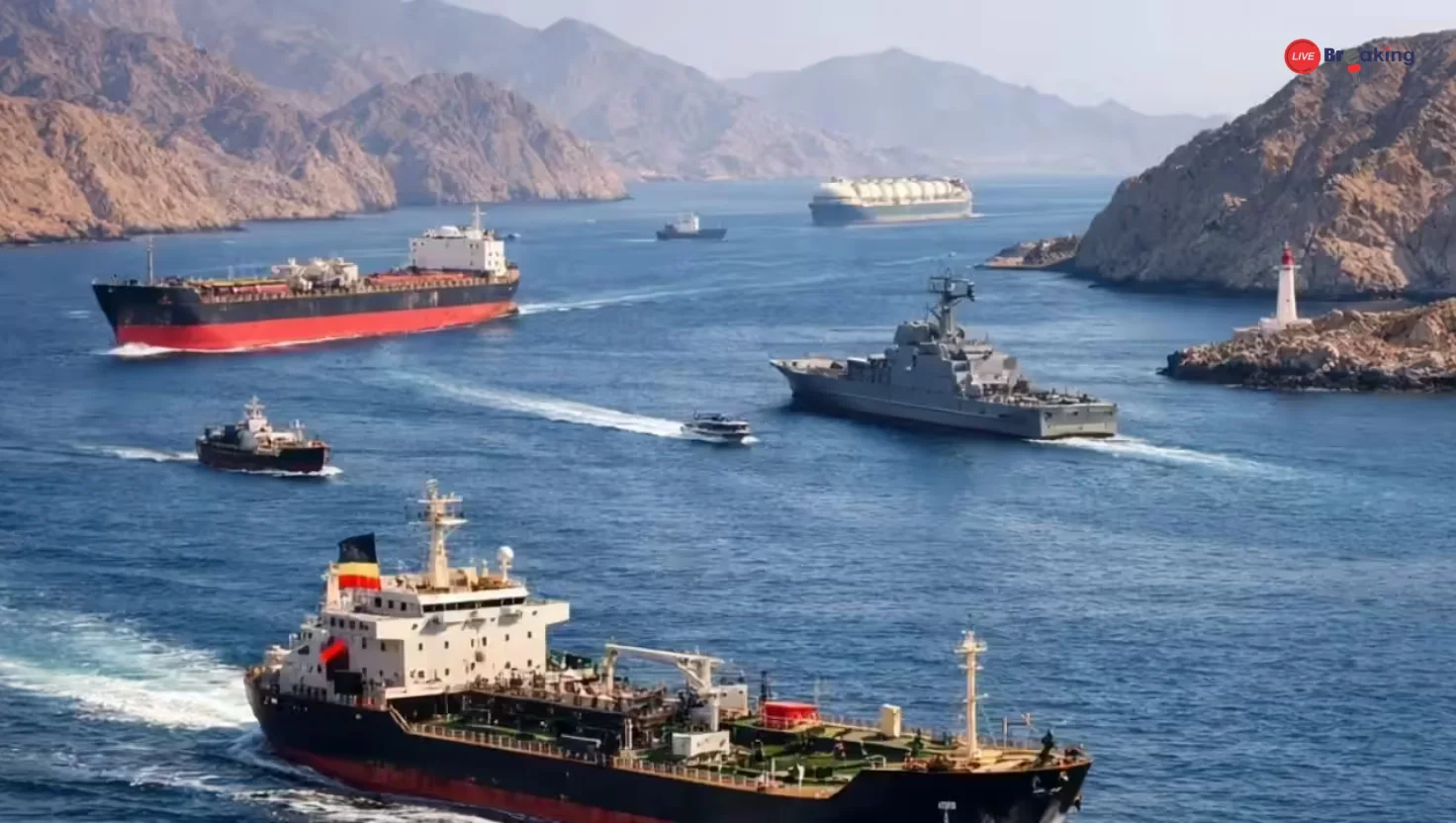
Russian Oil: In a dramatic escalation of trade and geopolitical tensions, US President Donald Trump has signaled support for a bipartisan Russia Sanctions Bill that could authorize tariffs of up to 500% on nations importing Russian energy — principally oil and uranium — including India, China, and Brazil.
The move intensifies the standoff over global energy politics, trade relations, and the economic pressure the United States seeks to place on countries continuing to engage with Russia’s lucrative oil market amid its prolonged war in Ukraine.
What Is the Russia Sanctions Bill and Why Does It Matter?
The proposed Sanctioning Russia Act of 2025 — introduced in the US Senate by Republican Senator Lindsey Graham (with Democratic co-sponsorship) — aims to cut off revenue streams bolstering Russia’s war financing by threatening secondary sanctions and tariffs on countries purchasing Russian energy.
The legislation grants the US President broad authority to impose heavy tariffs — potentially up to 500% — on imports from nations that “knowingly engage” in the purchase of Russian **oil, gas, uranium and petroleum products.”
Sen. Graham has stated that such sanctions are intended to increase leverage on Moscow and discourage trading partners from continuing reliance on discounted Russian crude — a tactic he sees as essential to applying economic pressure alongside diplomatic strategies for peace negotiations in Ukraine.
How Could India Be Affected?
🇮🇳 Trade & Tariff Pressures
India is one of the world’s largest importers of energy, and a significant buyer of Russian crude since the Ukraine war began in 2022. Although New Delhi has gradually reduced its Russian oil imports in response to Western sanctions and higher global oil prices, it has not halted them entirely — leaving the country exposed to mounting US pressure.
Washington has already slapped 50% tariffs on Indian exports tied to its Russian oil purchases, which hit key sectors, including India’s export-driven industries such as IT, textiles and manufacturing.
If the new sanctions bill passes Congress, the United States could escalate that to 500% tariffs, potentially crippling Indian exports to the US and destabilizing trade relations further.
What the US Government Says
The White House and supporters of the bill defend the approach as necessary to choke off revenue streams that fuel Russian President Vladimir Putin’s war machine, arguing that significant economic penalties will force a strategic shift in countries that continue to purchase Russian energy.
President Trump and bipartisan lawmakers maintain that these measures create incentives for major purchasers to seek alternative energy sources, ultimately aiding broader Western efforts to isolate Russia economically.
India’s Strategic Response
New Delhi, while maintaining that its energy policy is driven by national economic needs and energy security, has tried to mitigate tensions by providing detailed weekly reports on Russian and US oil imports — a diplomatic overture to Washington aimed at achieving tariff relief and resuming dialogue on a broader trade deal.
Read more: Inside Pakistan Washington Lobbying Blitz to Halt India’s Operation Sindoor
Indian officials insist that the relationship with the United States remains important, even as the government defends India’s sovereign decisions on energy procurement.
Broader Geopolitical and Economic Implications
Global Energy Market Dynamics
This legislative development comes amid shifting global energy dynamics. Nations like India diversify sources to balance supply security and cost, while the US and its allies seek to use economic tools to influence geopolitical outcomes — especially the ongoing conflict in Ukraine.
Impact on US–India Relations
The tariff threat has become a flashpoint in bilateral ties, fueling a 2025 diplomatic and trade crisis between the world’s largest democracies. India called previous US tariff hikes “unfair and unreasonable,” while the US has pushed for greater alignment on sanctions against Russia.
FAQs (Frequently Asked Questions)
What is the Sanctioning Russia Act of 2025?
It’s a bipartisan US Senate bill proposed to impose sanctions, including up to 500% tariffs, on countries that continue buying energy and critical exports from Russia — designed to cripple revenue flows funding the war in Ukraine.
Could India really face a 500% tariff from the US?
Yes — if the bill passes both houses of Congress and becomes law, the President would have authority to impose tariffs as high as 500% on Indian imports tied to Russian oil trade.
Read more: BJP-Congress Alliance in Ambernath: A Rare Political Twist in Maharashtra
How would such tariffs impact Indian exports?
Tariffs that steep would likely significantly reduce Indian exports to the US, increasing the cost of Indian goods in American markets and straining trade balances.
Is this bill already law?
Not yet — it has been backed by President Trump and is expected to be tabled in the Senate soon for a vote.
What does this mean for US–India relations?
The bill underscores growing tensions over energy trade and illustrates deeper diplomatic friction, even as both countries continue to pursue cooperation in other strategic areas.