How To Grow Plants Using Coffee Grounds, Tea, and Kitchen Waste
Gardening doesn’t have to rely on chemical fertilizers or expensive soil enhancers. Many everyday items from your kitchen—like used coffee grounds, tea leaves, and vegetable scraps—can be transformed into powerful natural fertilizers. This eco-friendly approach not only saves money but also reduces household waste while improving soil health.
In this guide, you’ll learn how to grow plants using coffee grounds, tea, and kitchen waste, along with practical tips, benefits, and common mistakes to avoid.
Why Use Kitchen Waste for Gardening?
Kitchen waste is rich in organic matter and essential nutrients. When reused correctly, it can:
-
Improve soil fertility
-
Enhance water retention
-
Encourage beneficial microorganisms
-
Reduce landfill waste
-
Support sustainable, chemical-free gardening
Using kitchen waste aligns perfectly with organic and eco-conscious lifestyles.
Using Coffee Grounds for Plant Growth
Benefits of Coffee Grounds in Gardening
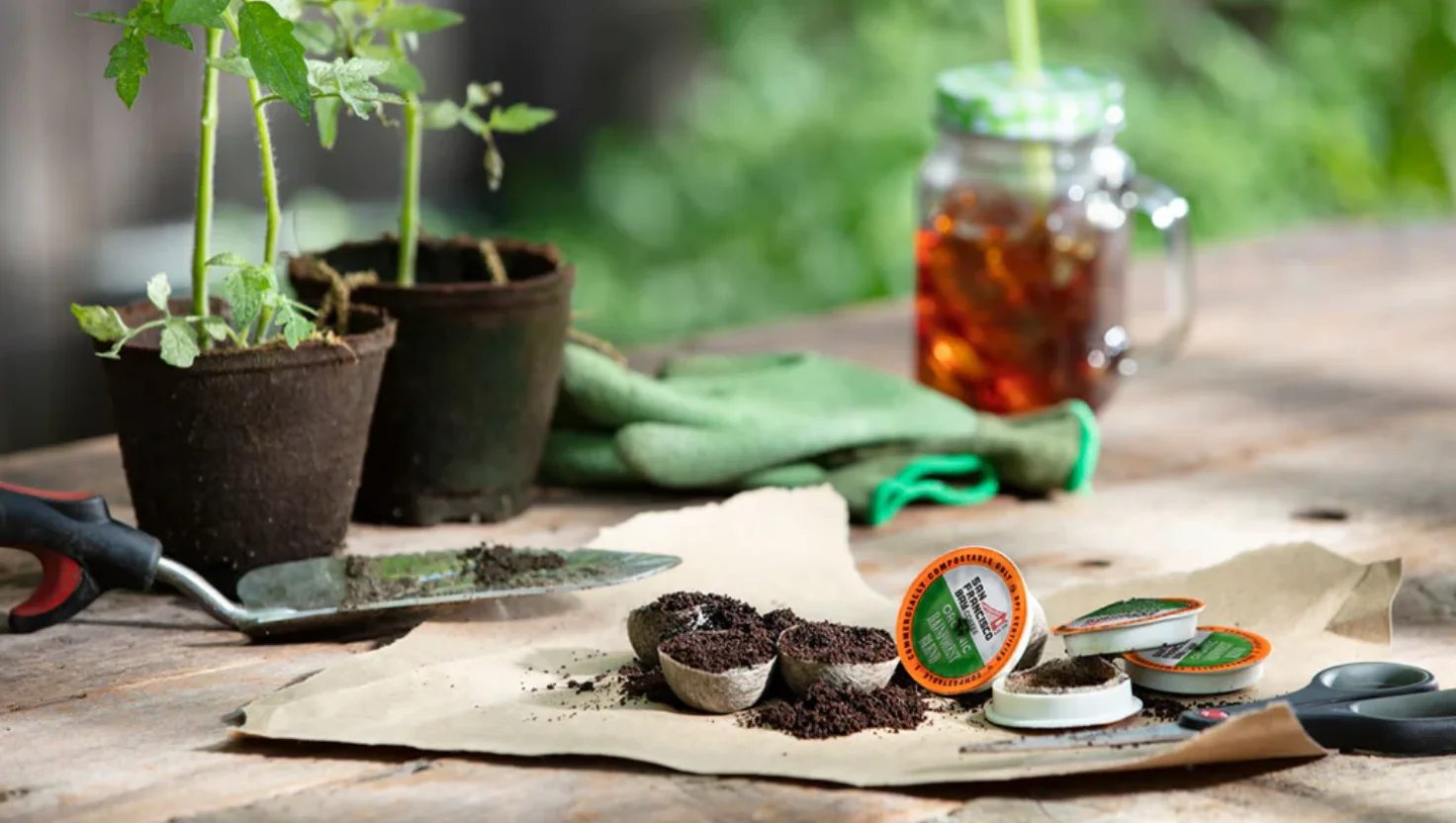
Used coffee grounds are packed with nutrients such as nitrogen, potassium, and magnesium. They also improve soil texture and encourage earthworms.
How to Use Coffee Grounds Safely
-
Dry them first to prevent mold growth
-
Mix with soil or compost instead of applying directly
-
Use in moderation, as excess can make soil too acidic
Best Plants for Coffee Grounds
-
Roses
-
Blueberries
-
Tomatoes
-
Azaleas
-
Carrots
Coffee grounds are especially helpful for acid-loving plants when used correctly.
Growing Plants with Tea Leaves
Why Tea Leaves Are Good for Plants
Tea leaves contain nutrients like nitrogen and tannic acid, which enrich soil and support plant growth. They also help improve soil structure.
How to Use Tea Waste in the Garden
-
Add used tea leaves to compost bins
-
Sprinkle small amounts into garden soil
-
Use cooled tea water to hydrate plants
Plants That Benefit from Tea Leaves
-
Ferns
-
Indoor plants
-
Flowering plants
-
Herbs like mint and basil
Avoid using tea with added sugar or artificial flavors.
Kitchen Waste That Helps Plants Thrive
Vegetable and Fruit Scraps
Peels from potatoes, carrots, bananas, and apples are excellent for composting. Banana peels, in particular, are rich in potassium.
Eggshells
Crushed eggshells provide calcium, which strengthens plant cell walls and helps prevent blossom-end rot in tomatoes and peppers.
Read more: 6 Peace Lily Décor Ideas for a Beautiful Living Room – Stylish and Easy Plant Styling
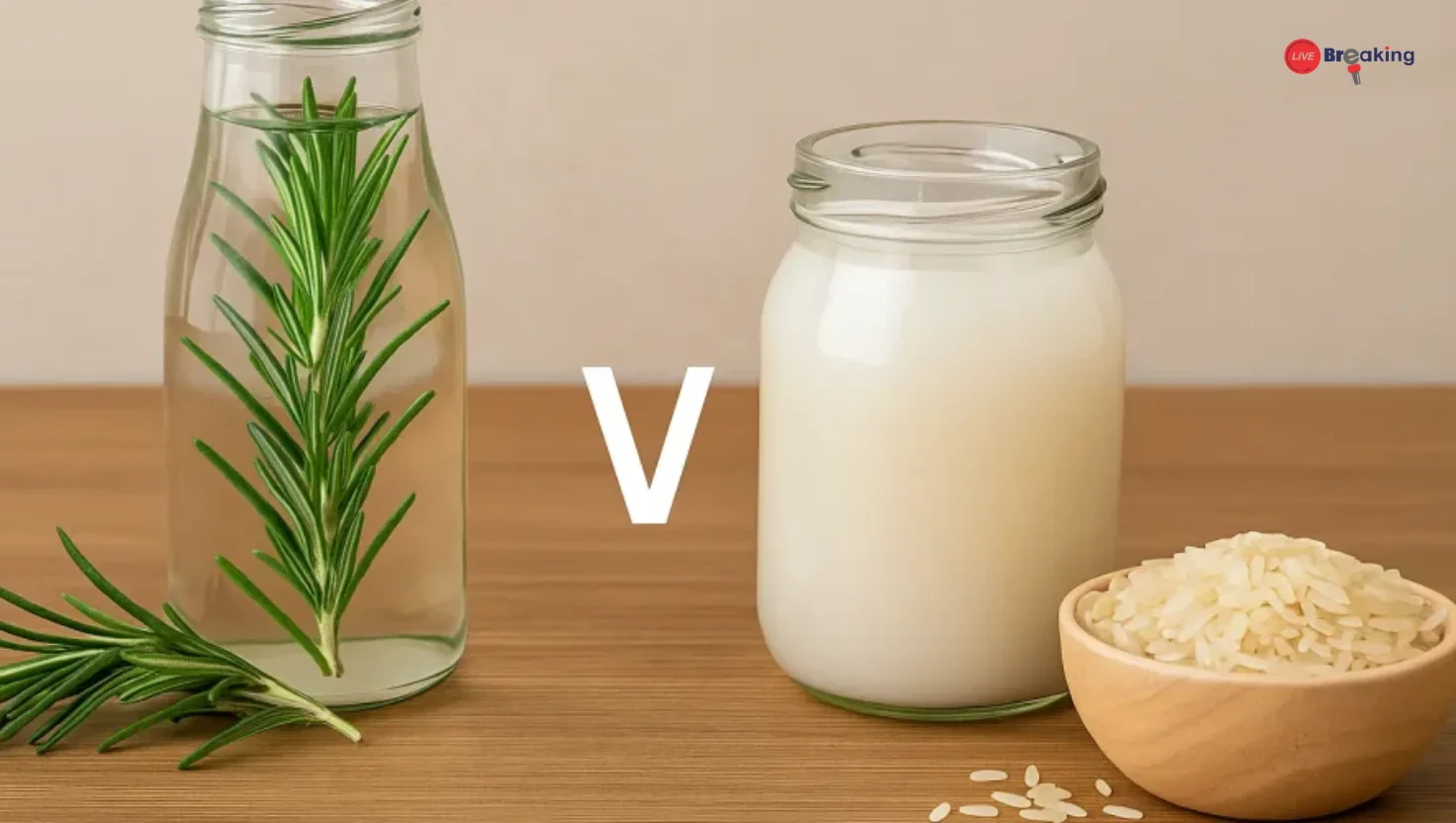
Rice and Pasta Water
Cooled, unsalted rice or pasta water contains starch and nutrients that promote microbial activity in soil.
Composting Kitchen Waste Effectively
Simple Composting Steps
-
Collect vegetable scraps, coffee grounds, and tea leaves
-
Avoid meat, dairy, and oily foods
-
Mix “green” waste (scraps) with “brown” waste (dry leaves, cardboard)
-
Turn compost regularly for aeration
-
Use compost after it becomes dark and crumbly
Composting turns waste into nutrient-rich soil conditioner.
Common Mistakes to Avoid
-
Overusing coffee grounds directly on soil
-
Adding salty or spicy food waste
-
Using plastic or synthetic tea bags
-
Applying raw waste without composting
-
Ignoring soil pH balance
Balanced usage ensures plants benefit without harm.
Environmental and Health Benefits
-
Reduces household waste
-
Promotes chemical-free food growth
-
Improves soil biodiversity
-
Saves money on fertilizers
-
Encourages sustainable living
Gardening with kitchen waste supports both your health and the planet.
Read more: Boost Positive Vibes: 7 Home Decor Pieces For Luck & Abundance
Frequently Asked Questions (FAQs)
Can I use fresh coffee grounds on plants?
Fresh coffee grounds are acidic and should be composted first before use.
Are tea bags safe for gardening?
Only use biodegradable tea bags. Remove staples and avoid plastic-based bags.
How often should I add kitchen waste to soil?
Composted kitchen waste can be added every 3–4 weeks during growing seasons.
Can kitchen waste attract pests?
Yes, if used raw. Composting first reduces odor and pest attraction.
Is kitchen waste suitable for indoor plants?
Yes, when composted properly or used in liquid form like diluted tea water.
Read more: Home Decor Ideas: Small Changes, Big Impact, Easy Additions to Refresh Every Room
Final Thoughts
Growing plants using coffee grounds, tea, and kitchen waste is a simple yet powerful way to practice sustainable gardening. With the right balance and methods, these everyday leftovers can transform your garden into a thriving, eco-friendly space. By reusing what you already have, you nurture both your plants and the environment.
Start small, experiment wisely, and watch your garden flourish naturally.