How Mossad Spies, Traffic Cameras Sealed Khamenei Fate
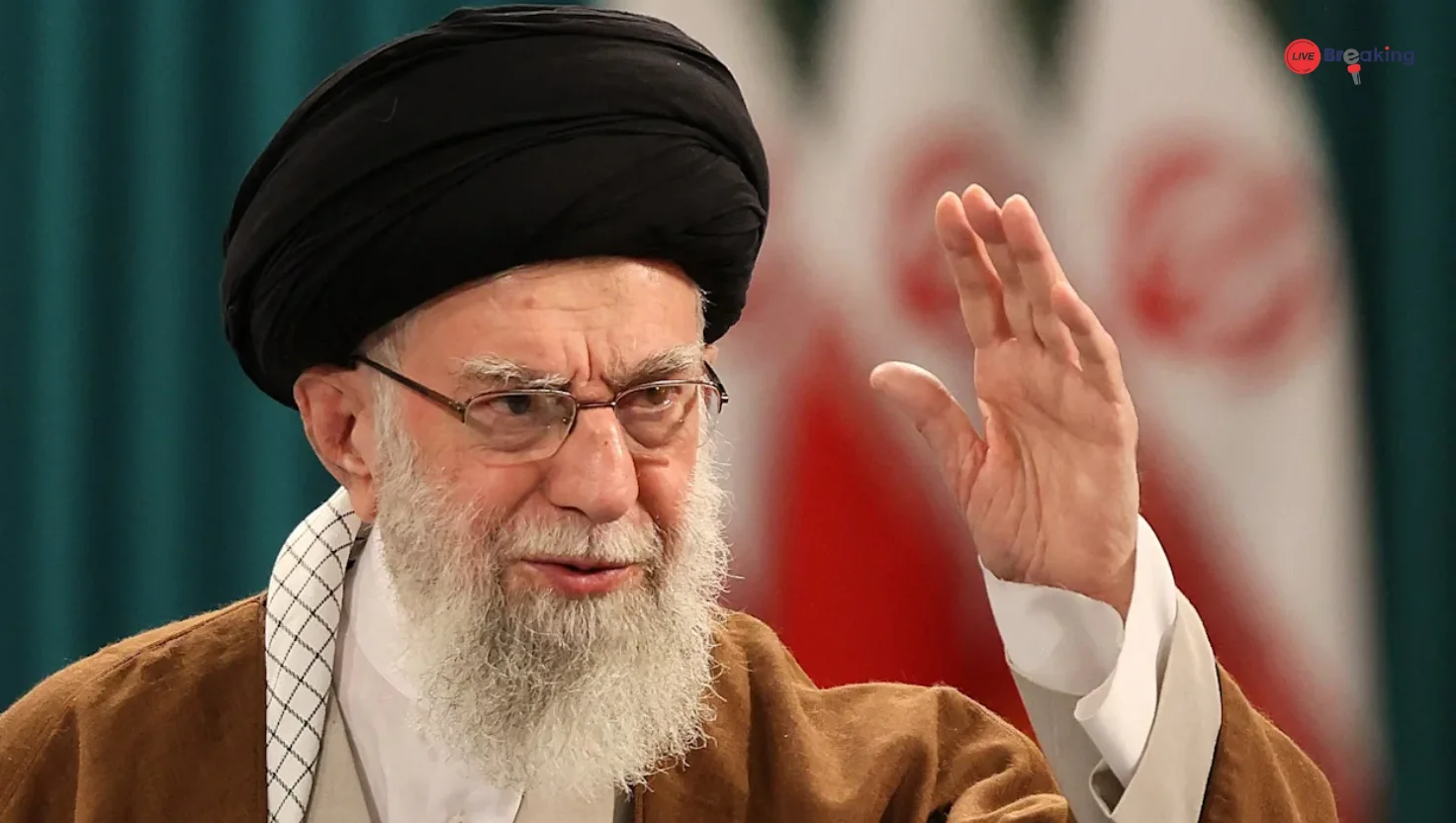
In a stunning development that has reshaped the Middle East conflict, global media and intelligence sources report that Israeli intelligence agencies — working with U.S. partners — used years of covert surveillance through hacked Tehran traffic cameras and mobile networks to track Ayatollah Ali Khamenei movements, enabling a precision strike that killed him and several senior Iranian officials.
A Long-Term Intelligence Operation Behind a High-Stakes Assassination
According to a detailed investigation first reported by the Financial Times and widely echoed by major news outlets, the operation against Iran’s Supreme Leader did not happen overnight. Rather, it was the culmination of years of espionage, cyber intrusion, and pattern-of-life analysis by Israeli intelligence units — particularly Mossad and its signals intelligence arm, Unit 8200 — with assistance from the U.S. Central Intelligence Agency (CIA).
Intelligence officials told reporters that nearly all traffic cameras across Tehran — especially those around key government compounds — were silently compromised. Footage from these cameras was encrypted and transmitted to servers outside Iran, giving analysts real-time views into streets, offices, and movements of top Iranian leadership and their security teams.
How Traffic Cameras Became Surveillance Goldmines
The Tech Behind the Spying
Traffic monitoring systems are ubiquitous in capitals like Tehran, intended for urban safety and flow management. But here, surveillance infrastructure reportedly became a tool of espionage. Hacked cameras provided:
-
Live visuals of Khamenei’s motorcades and security detail
-
Patterns of movement used to predict meetings and schedules
-
Facial recognition cross-referenced with other data sets
-
Encrypted feeds for remote analysis by Israeli analysts
According to the reports, this continuous surveillance helped build what intelligence officers call a “pattern of life” — a detailed behavioral model of how the Iranian leader and his aides lived, traveled, and communicated.
Disrupting Tehran Mobile Networks Before the Strike
Another critical component was reportedly interference with mobile phone systems near Pasteur Street — the location of Khamenei’s compound where he was killed. Intelligence sources say that operators were able to disrupt certain cell towers so that protective detail could not communicate warnings or receive external alerts prior to the strike.
This combination of compromised cameras and mobile networks provided a rare, near-complete picture of command movements, vulnerability windows, and key access points for precision targeting.
Operation Epic Fury — The Final Strike
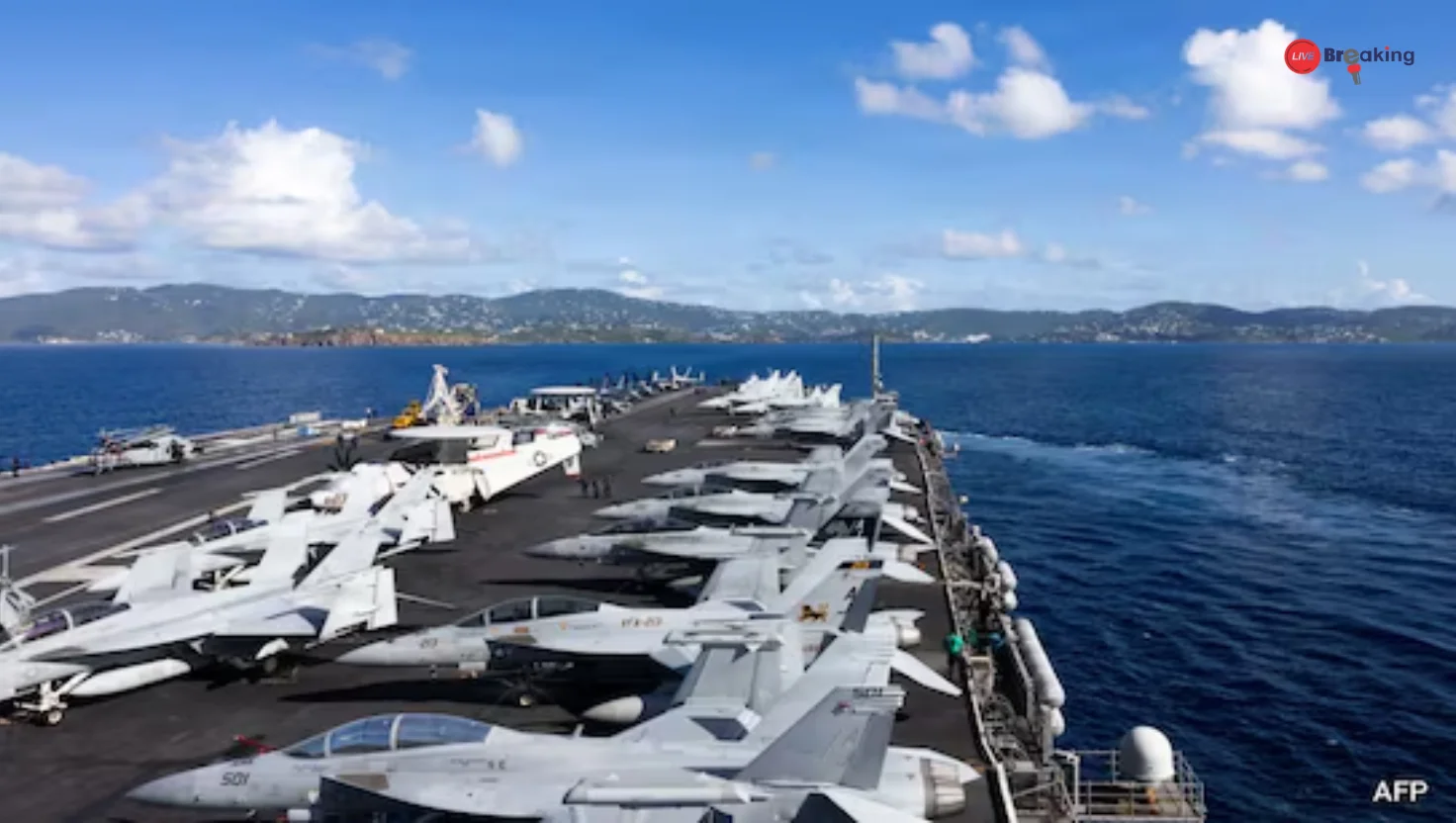
The intelligence picture was confirmed when Israeli and U.S. teams detected that Khamenei and senior leaders were meeting. With headquarters’ confirmation, a coordinated air assault — allegedly codenamed “Operation Epic Fury” — was launched by Israeli and U.S. forces, killing Khamenei, more than 40 senior officials, and members of his security team in a rapid strike.
Officials described the attack as executed in a matter of less than a minute, showcasing the technological precision and strategic synchronization between intelligence and military assets.
Read more: Iran Enters Survival Mode After Assassination Of Supreme Leader Khamenei
Strategic & Geopolitical Implications
Shifting the Rules of Intelligence Warfare
The incident marks a significant evolution in espionage:
-
Cyber surveillance integrated with physical strikes
-
Urban infrastructure exploited for intelligence gathering
-
A move away from traditional human assets to digital networks
-
Increased tensions across the Middle East as Iran vows retaliation
Experts say this event will reshape how nations secure everyday technologies — like traffic systems — against foreign compromise.
The Broader Regional Fallout
Khamenei’s death sent shockwaves through the region:
-
Iran’s government publicly confirmed his assassination.
-
Global markets reacted to heightened instability.
-
Neighboring countries recalibrated alliances and defense postures.
-
Rival powers weighed in on international responses.
Read more: ‘I Would Intervene But…’: Trump On Pakistan-Afghanistan “Open War”
International diplomats have called for restraint, while hardline factions in Iran signal possible escalation. Analysts caution that eliminating a top leader rarely ends conflict; instead, it can inflame tensions and unpredictability.
Table — Key Intelligence Tactics Used in the Operation
| Intelligence Method | Purpose | Reported Outcome |
|---|---|---|
| Hacked Traffic Cameras | Continuous visual surveillance | Real-time tracking of movements and routes |
| Mobile Tower Disruption | Communication interference | Prevented protective warnings |
| Social Network Analysis | Behavioral pattern modeling | Predictive meeting forecasts |
| Encrypted Data Exfiltration | Secure remote analysis | High-resolution intelligence streams |
| Joint Military Strike Coordination | Precision targeting | Rapid execution of attack |
Frequently Asked Questions (FAQ)
Q: Was Khamenei killed by Mossad alone?
A: No — reports indicate the operation involved extensive coordination between Israeli intelligence (Mossad and Unit 8200) and the U.S. CIA as part of a broader military strategy.
Q: How were Tehran’s traffic cameras hacked?
A: Intelligence agencies reportedly exploited weak security protocols in the surveillance network, quietly accessing and encrypting feeds over several years.
Read more: PM Modi Congratulates BNP’s Tarique Rahman: “India Will Support Democratic, Inclusive Bangladesh”
Q: Did Iran know it was being monitored?
A: Tehran officials have not publicly acknowledged they knew about the full extent of the compromise, though internal investigations are reported.
Q: Could similar tactics be used elsewhere?
A: Yes — experts warn that any nation with digital surveillance infrastructure is potentially vulnerable to advanced cyber exploitation by sophisticated intelligence services.
Q: What does this mean for Middle East security?
A: The assassination deepens conflict risks, potentially sparking retaliatory actions, regional instability, and an escalation in cyber-enabled warfare doctrine.