How Mexico Army Killed ‘El Mencho’ – Inside the Operation Against the Elusive Drug Lord
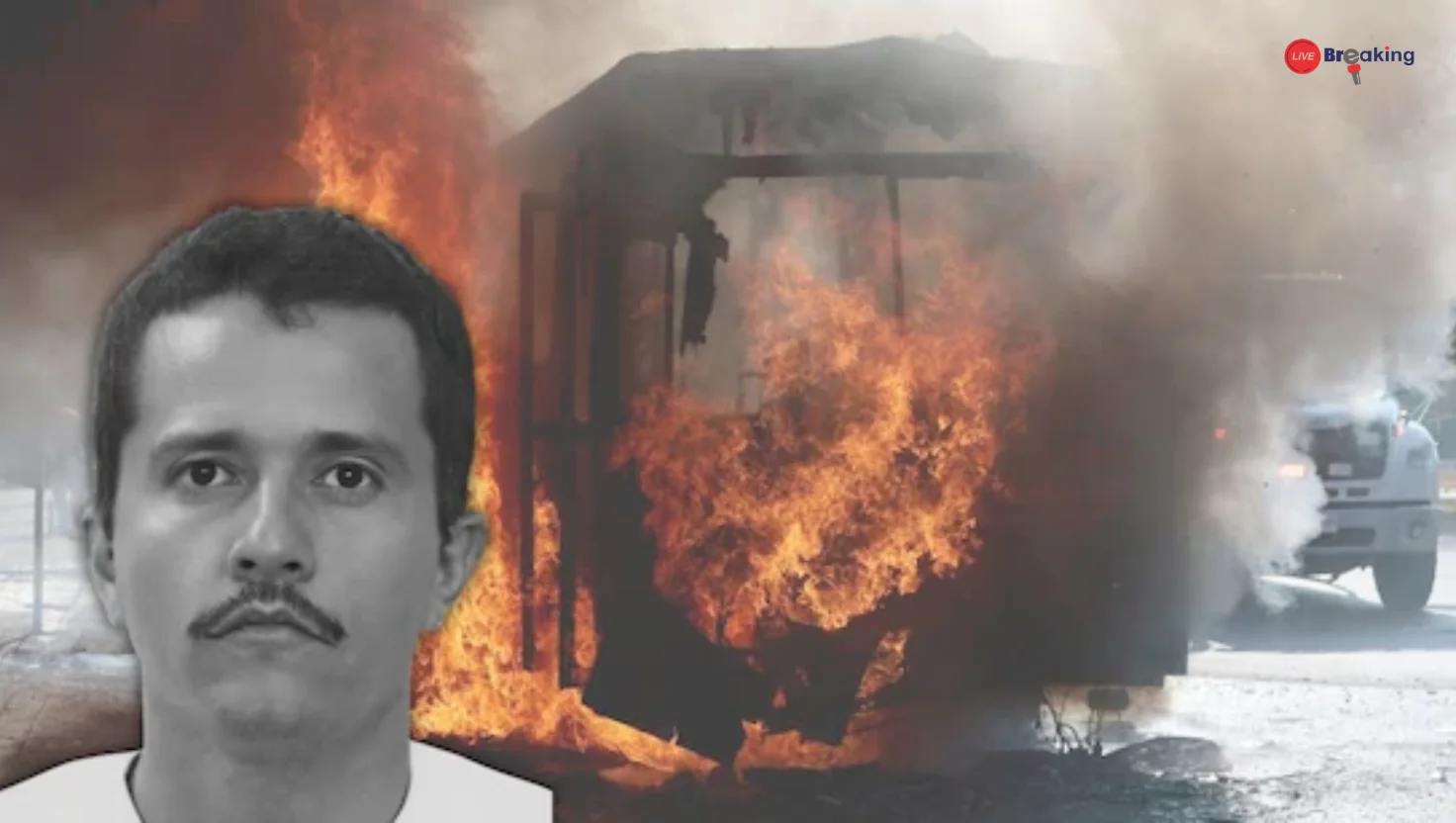
In a dramatic turn in Mexico’s long-running war against organized crime, reports claim that the Mexican Army successfully eliminated Nemesio Oseguera Cervantes, better known as “El Mencho,” one of the world’s most wanted drug lords. For years, he managed to evade capture despite intense surveillance, multimillion-dollar bounties, and coordinated efforts between Mexican and U.S. authorities.
El Mencho was the alleged leader of the powerful Jalisco New Generation Cartel (CJNG), a criminal organization accused of drug trafficking, arms smuggling, extortion, and widespread violence across Mexico and beyond. His name became synonymous with brutality and strategic expansion, positioning CJNG as one of the most dangerous cartels in the Western Hemisphere.
Who Was ‘El Mencho’?
Nemesio Oseguera Cervantes rose from modest beginnings to become one of the most feared cartel leaders in Mexico. Born in the state of Michoacán, he reportedly began his criminal career in the 1990s. Over time, he climbed the ranks of organized crime networks before forming CJNG in the early 2010s.
Under his leadership, the cartel rapidly expanded operations into multiple Mexican states and international markets, particularly in the United States. Authorities accused the organization of trafficking methamphetamine, cocaine, fentanyl, and heroin.
The U.S. government had offered a reward of up to $10 million for information leading to his capture, while Mexico announced its own bounty, reflecting the scale of the threat he posed.
Years of Evasion and Intelligence Failures
For more than a decade, Mexican security forces conducted numerous operations aimed at capturing El Mencho. However, he consistently managed to evade arrest through a combination of:
-
Highly coordinated security teams
-
Advanced surveillance detection tactics
-
Support networks across rural and urban territories
-
Alleged corruption within local systems
In 2015, an earlier attempt to capture him resulted in violent retaliation, including the downing of a military helicopter by cartel gunmen. That incident highlighted the cartel’s firepower and sophistication, raising concerns about the level of weaponry available to criminal groups.
The Final Operation
According to reports, the Mexican Army launched a carefully planned and intelligence-driven operation targeting El Mencho’s location. Unlike previous efforts, this mission reportedly relied on advanced tracking methods, tighter operational secrecy, and rapid-response tactics.
Security sources indicated that military units surrounded a suspected safehouse after weeks of monitoring communications and movements linked to CJNG. A confrontation reportedly followed, culminating in the neutralization of the cartel leader.
Read more: Shirts Off, Slogans On: Youth Congress Workers Protest At AI Summit, 4 Arrested
While official confirmations and details may vary, the operation marks a significant milestone in Mexico’s campaign against cartel violence. The secrecy surrounding the mission underscores the sensitivity of the intelligence involved and the high risks faced by the armed forces.
Impact on the Jalisco New Generation Cartel (CJNG)
The reported killing of El Mencho could have several immediate and long-term consequences:
1. Leadership Vacuum
The cartel may experience internal power struggles as rival factions attempt to assert control. Historically, leadership changes in cartels often lead to short-term spikes in violence.
2. Strategic Shifts
CJNG could decentralize its command structure, making it more difficult for authorities to dismantle the organization entirely.
3. Regional Security Implications
While removing a top leader is a symbolic victory, experts caution that systemic issues — including poverty, corruption, and demand for narcotics — continue to fuel organized crime.
Read more: India Tariffs Cut to 10% as Donald Trump Faces US Supreme Court Setback
Mexico’s Ongoing War on Drug Cartels
Mexico has been battling powerful cartels for over a decade, with tens of thousands of lives lost in drug-related violence. Military-led operations have intensified in recent years, targeting high-profile criminal figures in an effort to disrupt networks.
However, analysts argue that arresting or eliminating leaders does not automatically dismantle cartels. New figures often emerge, and splinter groups can create further instability.
The reported killing of El Mencho is both a tactical success and a reminder of the complexity of organized crime in Mexico.
What Happens Next?
Authorities are expected to increase security deployments in regions traditionally controlled by CJNG to prevent retaliatory attacks. Meanwhile, intelligence agencies may focus on identifying potential successors within the organization.
International cooperation between Mexico and the United States is also likely to intensify, particularly concerning fentanyl trafficking, which has become a major public health crisis.
While the removal of such a prominent figure is significant, the broader challenge remains: dismantling the financial, political, and social ecosystems that allow cartels to thrive.
FAQs
Q1: Who was El Mencho?
El Mencho, whose real name was Nemesio Oseguera Cervantes, was the alleged leader of the Jalisco New Generation Cartel (CJNG), one of Mexico’s most powerful criminal organizations.
Q2: Why was he so difficult to capture?
He maintained tight security, frequently changed locations, relied on loyal networks, and allegedly benefited from corruption and sophisticated intelligence countermeasures.
Read more: PM Modi Congratulates BNP’s Tarique Rahman: “India Will Support Democratic, Inclusive Bangladesh”
Q3: What is CJNG?
The Jalisco New Generation Cartel is a major Mexican drug trafficking organization involved in methamphetamine, fentanyl, and cocaine distribution worldwide.
Q4: Will cartel violence decrease after his death?
Experts warn that violence could temporarily increase due to internal power struggles, though long-term effects depend on broader law enforcement strategies.
Q5: Was there a reward for his capture?
Yes. The U.S. government had offered up to $10 million, and Mexican authorities also announced a substantial reward.