5-Year-Old Brutally Killed Before Mother’s Eyes, Villagers Take Revenge
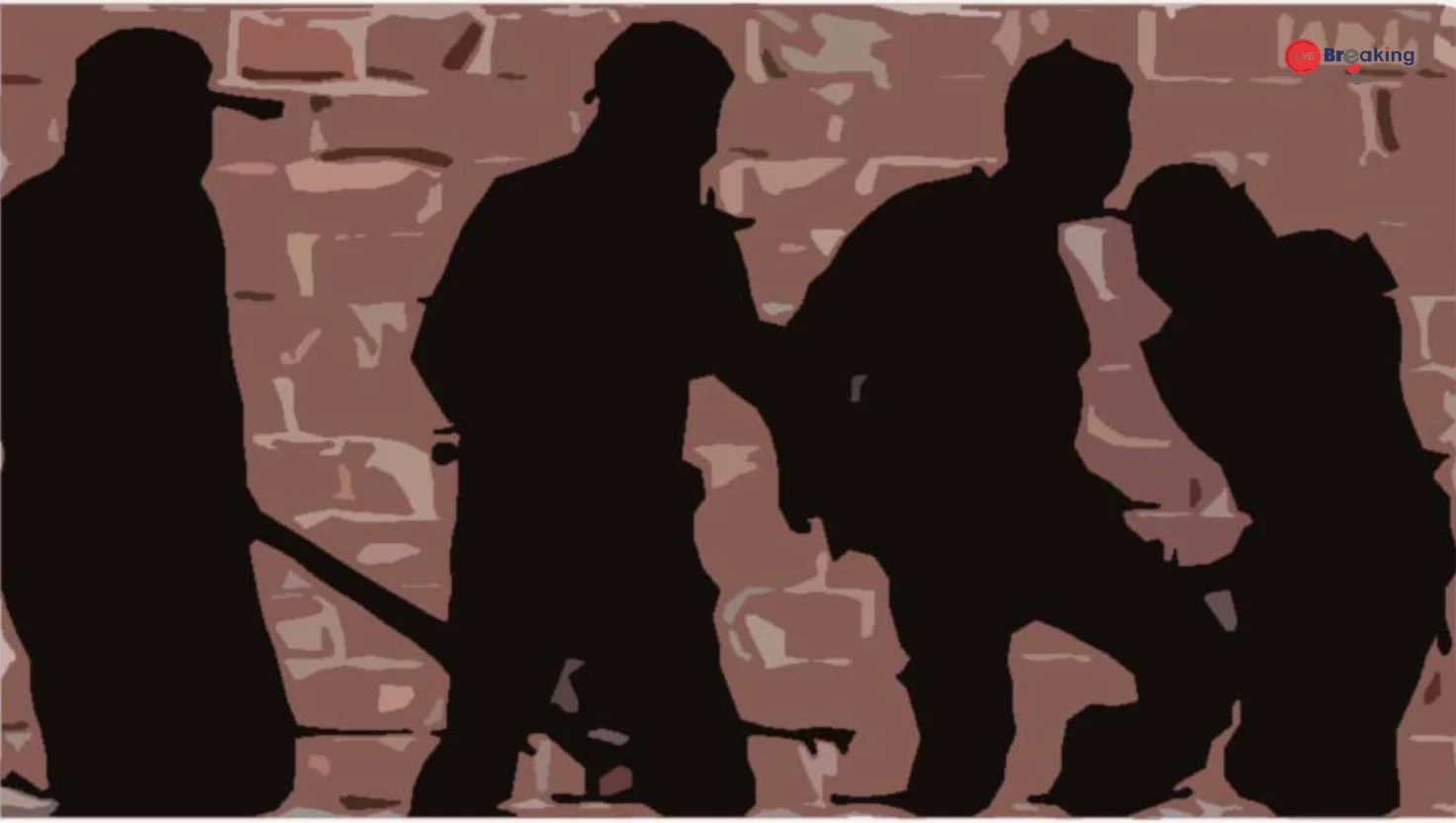
A horrifying incident in Madhya Pradesh has left the nation in shock and raised troubling questions about both safety and law enforcement. A five-year-old boy was brutally beheaded in front of his mother by a local man in a village, sparking immediate and violent retaliation from enraged residents. The accused was lynched on the spot by the mob, who could not contain their fury at the gruesome crime.
The double tragedy — the unspeakable killing of a child and the mob’s choice to deliver instant “justice” — has ignited debate about the breakdown of trust in legal institutions and the dangers of mob violence, even in the face of unimaginable grief.
The Incident
According to local accounts, the crime unfolded in the middle of the day when the child was with his mother. The accused, known in the village, allegedly attacked without warning, carrying out the horrific act in full public view. The mother’s cries for help echoed through the village, but by the time neighbors rushed to the scene, the child had already lost his life in the most brutal manner.
The incident sent shockwaves through the village. Residents, overcome with anger and disbelief, immediately turned on the accused. In a matter of moments, the atmosphere of grief gave way to fury, with people beating the man to death.
Shock and Rage in the Community
The child’s killing has devastated the entire community. Villagers described the boy as lively and innocent, often seen playing in the fields near his home. His sudden and violent death, in front of his mother no less, has left many traumatized.
The raw grief quickly transformed into collective anger. Witnesses said that no one was willing to wait for police intervention. “We could not let him walk away after what he did,” one villager reportedly said, echoing the mob’s justification for taking the law into their own hands.
Mob Justice: A Dangerous Precedent
While the community’s anguish is understandable, the lynching of the accused has once again highlighted the perils of mob justice in India. When people lose faith in law enforcement or feel immediate action is impossible, mobs often mete out their own form of punishment.
Legal experts warn that such actions, though emotionally charged, weaken the rule of law and create dangerous precedents. Vigilante retribution, no matter how provoked, bypasses due process and risks punishing without trial — a practice that undermines justice itself.
Law and Order Questions
The brutal killing and subsequent lynching have raised pressing questions for the authorities. How was such an act possible in broad daylight? What motivated the accused to target an innocent child? And most importantly, why did villagers feel compelled to deliver justice themselves rather than rely on police intervention?
Read more: Supreme Court Bench Highlights Human Limits While Hearing Urgency Request
Madhya Pradesh officials are now under pressure to investigate both the crime and the lynching. While the accused is no longer alive to face trial, the state must still account for the security lapses that allowed such violence to occur in the first place.
The Broader Picture
Incidents like this one are not isolated. In recent years, multiple cases across India have exposed the dangerous rise of mob violence, often fueled by rage, grief, or social divisions. The Madhya Pradesh tragedy adds to this growing pattern, revealing both the vulnerability of children and the fragility of public faith in institutions.
Child safety in rural areas remains a serious concern. Families often live in close-knit communities where trust is high, but this same openness makes children vulnerable to sudden acts of violence. The inability to prevent such incidents shakes the foundation of social security.
Calls for Justice and Reform
The death of the boy has prompted demands for stronger laws to protect children and harsher penalties for crimes against minors. At the same time, voices are growing louder against mob lynching, with activists urging that grief should not translate into lawlessness.
Read more: 100% Tariff Shock: Trump Targets Pharma Imports, India’s Exports at Risk
For many, the case illustrates a painful paradox: while the accused cannot be brought to trial due to mob retribution, the boy’s family is left without formal justice. The community’s anger may have found an outlet, but the legal process has been bypassed entirely.
Conclusion
The Madhya Pradesh tragedy is a grim reminder of how quickly grief can descend into violence. A child’s life was cut short in the most brutal way imaginable, and in response, a mob delivered fatal punishment without waiting for justice through lawful means.
As the state reels from the shock, the incident underscores two urgent priorities: protecting children from such heinous crimes, and restoring public faith in the justice system so that people do not feel compelled to take the law into their own hands. Until then, the scars of this horrific day will haunt both the grieving family and the shaken community.