“Was Raped By Cop 4 Times”: Maharashtra Woman Doctor’s Suicide Note On Hand
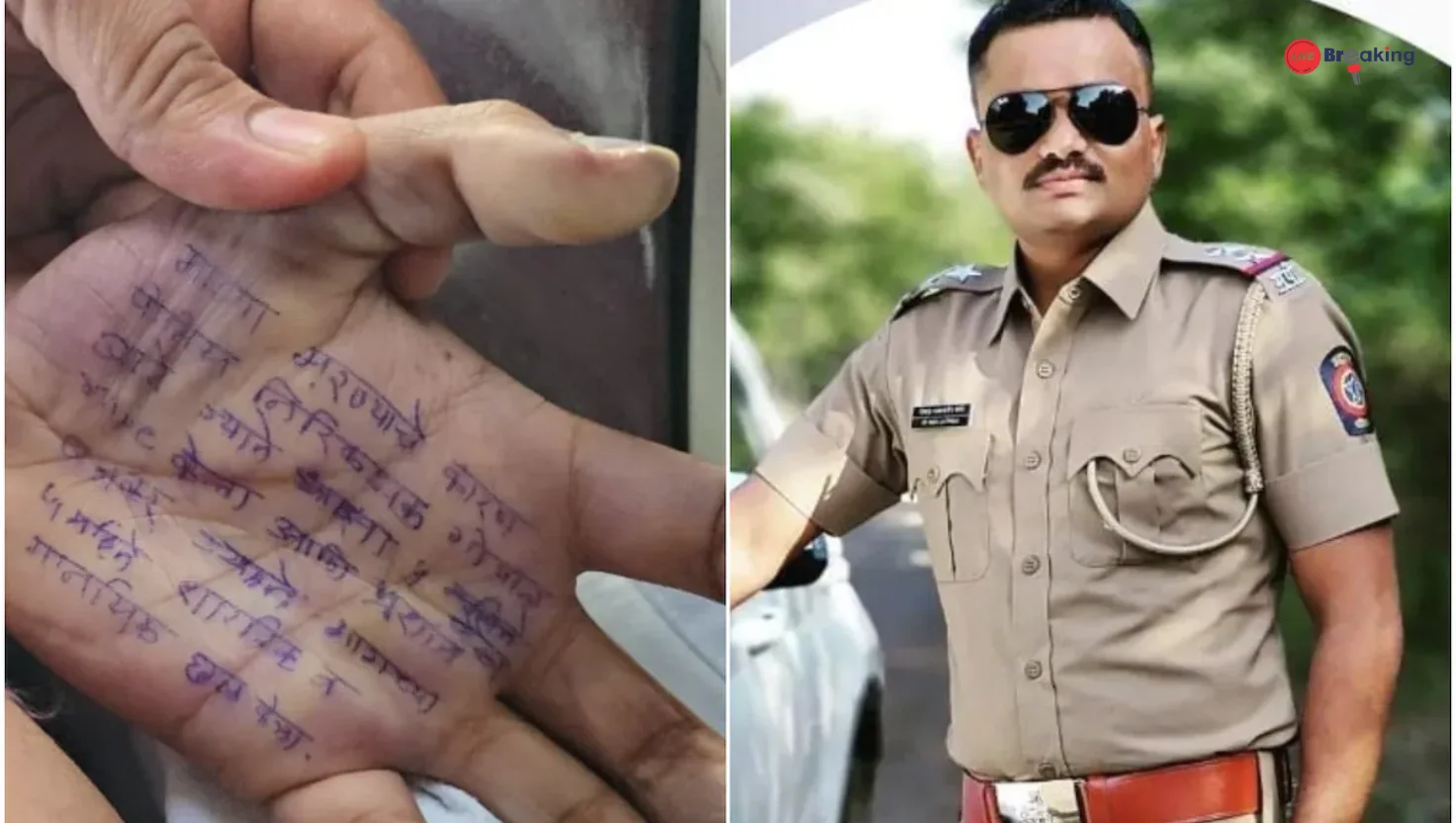
A young woman doctor’s tragic death in Maharashtra has sent shockwaves across the state after her suicide note revealed allegations of repeated sexual assault by a police officer. The handwritten note, reportedly found near her body, stated that she had been “raped four times” by the accused cop — a revelation that has sparked widespread outrage and renewed conversations about women’s safety, abuse of power, and accountability within the police system.
A Promising Life Cut Short
The victim, a qualified doctor in her early thirties, was known among peers as an intelligent and compassionate professional. Her untimely death has left her family and community devastated. According to preliminary information, she was found unresponsive in her accommodation, and her note — written on her hand and in her diary — became the key evidence leading investigators toward a case of sexual exploitation and mental harassment.
The note, written in Marathi, contained chilling details of her suffering, including a statement that she was repeatedly raped by a police officer whom she trusted. Her final words not only spoke of the pain she endured but also of her despair at being unable to find justice or protection from the very system that was meant to safeguard her.
Allegations of Abuse of Power
The suicide note has cast a dark shadow over the image of law enforcement in Maharashtra. The accused officer, who reportedly knew the victim personally, allegedly used his position to exploit her. Such an incident, if proven true, represents a severe breach of power and trust.
In cases involving police personnel, the challenge of ensuring impartial investigation becomes crucial. Allegations of sexual assault against officers raise urgent questions about oversight, ethics, and how internal hierarchies can sometimes shield the guilty. Women’s rights activists and legal experts have emphasized that when a person in uniform is accused, independent agencies must handle the case to maintain transparency and public trust.
Family’s Call for Justice
The victim’s family has demanded a thorough and unbiased investigation, urging authorities to ensure that the case does not get buried under procedural delays. They have expressed anguish over how a highly educated and independent woman could be driven to such despair by alleged continuous harassment and betrayal.
Read more: Air India Flight En Route to America Returns to Mumbai Following Technical Concern
Her family reportedly said that she had shared her distress with close friends but refrained from filing an official complaint due to fear of retaliation and lack of faith in the system. The tragedy reflects a recurring pattern in cases of sexual harassment and assault — where survivors hesitate to report crimes committed by individuals in authority.
A Broader Reflection on Women’s Safety
This case once again underscores the larger question of how safe women truly are, even in professional spaces or when interacting with individuals in positions of power. Despite strong laws like the Protection of Women from Sexual Harassment Act and Section 376 of the IPC, implementation remains inconsistent. Survivors often face intimidation, victim-blaming, and procedural hurdles that discourage them from seeking justice.
Women’s safety advocates argue that systemic change must begin within the police force itself. Gender-sensitivity training, stronger internal accountability mechanisms, and faster judicial processes are critical to ensuring that those who wear the uniform do not misuse their authority.
Outpouring of Grief and Anger
The young doctor’s death has triggered widespread reactions on social media, with citizens expressing sorrow and anger over the alleged abuse of power. Many have called for the immediate arrest of the accused and demanded that the case be transferred to an independent investigative body.
Read more: Nitish Kumar Flexes Power: JDU Snatches 5 Key Seats Sought by Chirag Paswan
Her story has become a symbol of both personal tragedy and institutional failure — a reminder that progress in gender equality and justice remains incomplete when women fear those meant to protect them.
A Cry for Accountability and Reform
As investigations continue, the case serves as a grim reminder that justice for women cannot depend on sympathy alone — it demands structural reform, cultural change, and zero tolerance for abuse within law enforcement agencies.
The woman doctor’s death has raised uncomfortable but necessary questions about the moral fabric of institutions meant to protect citizens. Her final words — “He raped me repeatedly” — now echo as a call for justice, not just for her, but for every woman who has suffered in silence under the shadow of authority.