Are you Cranky after your period? Is It Post-Menstrual Syndrome to Blame ?
Your period is over, and you expect to feel lighter, calmer, and back to your normal self. But instead, you find yourself moody, anxious, or unusually emotional. If this sounds familiar, you might be experiencing Post-Menstrual Syndrome (PMS’s lesser-known cousin) — a hormonal phase that can leave many women feeling out of sync even after menstruation stops.
While most people associate mood swings and irritability with pre-menstrual syndrome (PMS), what happens after your period can be equally significant. Understanding this post-period phase can help women better manage their moods, energy levels, and overall well-being.
What Is Post-Menstrual Syndrome?
Post-Menstrual Syndrome refers to the physical and emotional symptoms that appear right after the menstrual period ends. Unlike PMS, which occurs before bleeding begins, this phase starts once menstruation is over and can last for several days.
Symptoms can vary, but they often include:
-
Sudden mood swings or irritability
-
Fatigue or low energy
-
Headaches
-
Anxiety or restlessness
-
Digestive discomfort
-
Difficulty concentrating
-
Mild bloating or breast tenderness
While this condition isn’t as widely recognized or studied as PMS, many women report a recurring pattern of feeling “off” during this time.
Why Does It Happen?
To understand post-menstrual mood changes, it helps to look at the hormonal fluctuations that occur during a woman’s cycle.
After your period ends, estrogen levels begin to rise to prepare the body for ovulation. While estrogen is often associated with positive effects — such as increased energy and improved mood — the sudden hormonal shifts that occur immediately after menstruation can cause a temporary imbalance.
At the same time, iron levels may be low due to blood loss, which can contribute to fatigue and mood dips. Changes in neurotransmitters like serotonin (the “feel-good” hormone) may also play a role, influencing emotions, appetite, and sleep patterns.
The combination of these hormonal, nutritional, and psychological factors can create a period of emotional instability that feels confusing — especially since it happens when you think you should be feeling your best again.
Emotional and Physical Impact
The emotional side of Post-Menstrual Syndrome can feel like an echo of PMS. Many women report feeling unusually cranky, anxious, or sensitive, sometimes accompanied by a sense of emotional exhaustion.
Physically, fatigue, bloating, or headaches can linger as the body readjusts hormonally. For some, this can also affect productivity, social interactions, or relationships — especially if the pattern repeats month after month.
Recognizing that this is a legitimate physiological response, not “just in your head,” is the first step toward managing it effectively.
How to Manage Post-Menstrual Symptoms
If you find yourself struggling emotionally or physically after your period, there are several ways to ease the transition and restore balance.
1. Nourish Your Body:
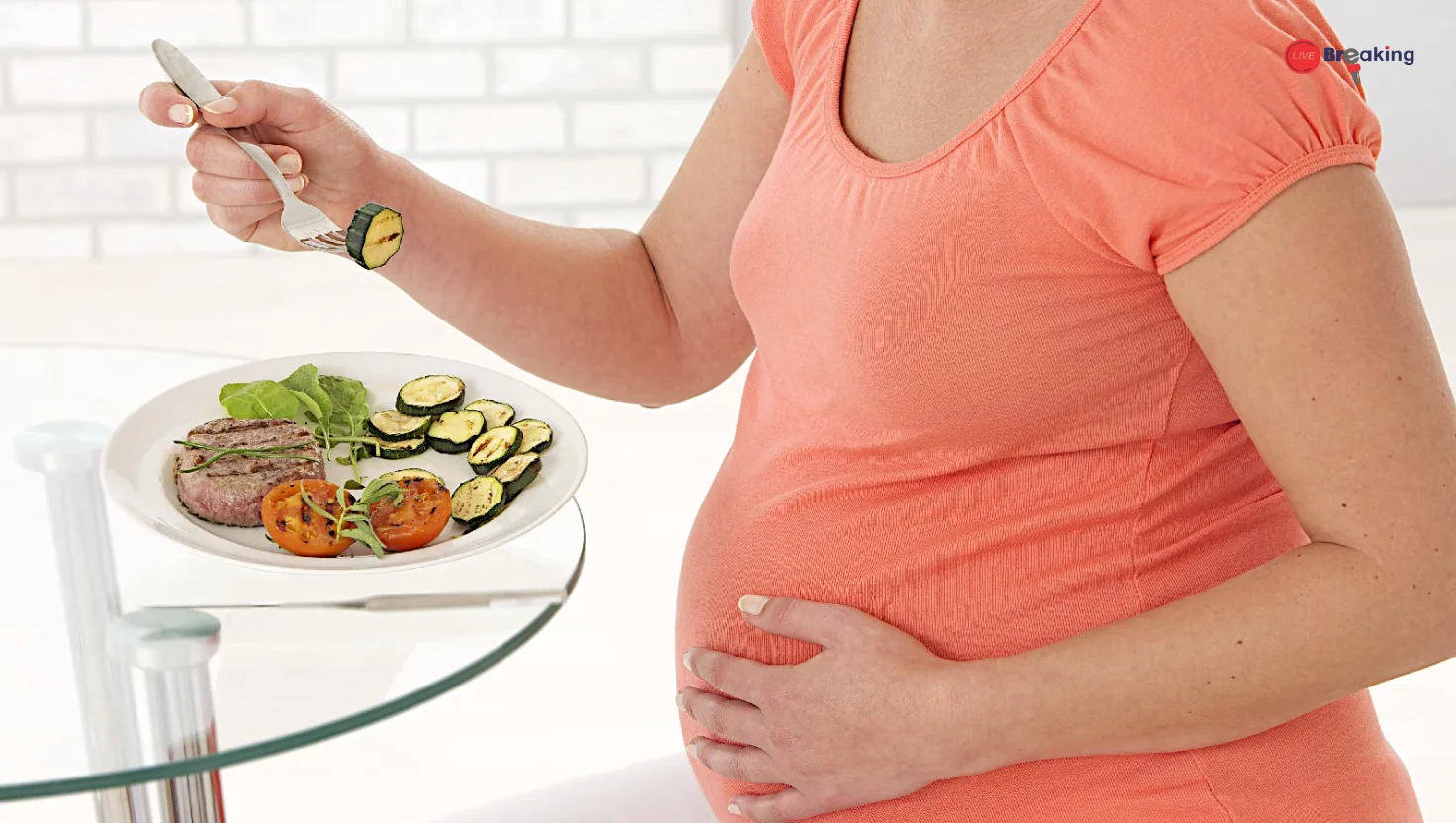
Focus on iron-rich foods like spinach, lentils, red meat, and pumpkin seeds to replenish what’s lost during menstruation. Include complex carbohydrates and omega-3 fats to stabilize blood sugar and boost mood.
2. Stay Hydrated:
Water retention can cause discomfort and fatigue. Drinking enough water helps flush out toxins and reduce bloating.
3. Exercise Regularly:
Physical activity releases endorphins, which naturally elevate mood and energy levels. Even light exercises such as yoga or walking can make a noticeable difference.
4. Prioritize Rest:
Hormonal changes can disrupt sleep. Aim for consistent sleep patterns and practice relaxation techniques like deep breathing or meditation.
5. Track Your Cycle:
Journaling or using period-tracking apps can help you notice patterns and predict when post-menstrual symptoms might appear. Awareness makes it easier to prepare and respond calmly.
6. Consider Professional Guidance:
If mood swings or fatigue feel extreme or interfere with daily life, consult a gynecologist or endocrinologist. In some cases, hormonal imbalances, thyroid issues, or nutritional deficiencies may need medical attention.
Breaking the Silence Around Post-Menstrual Changes
While PMS is widely discussed, the emotional and physical aftereffects of menstruation are often overlooked. Many women feel puzzled or guilty for being moody after their period, assuming they “should” feel fine. But acknowledging the existence of Post-Menstrual Syndrome can normalize the conversation and encourage more women to seek support.
Understanding your body’s signals — and responding with care instead of criticism — can make a significant difference in your emotional balance and overall health.
In Conclusion
Feeling irritable or drained after your period doesn’t mean something is wrong with you. It’s your body’s natural response to hormonal and biochemical fluctuations. By paying attention, practicing self-care, and maintaining a healthy lifestyle, you can ease the effects of Post-Menstrual Syndrome and regain your emotional rhythm.
Your menstrual cycle isn’t just about the days you bleed — it’s a continuous journey that deserves understanding, compassion, and care at every stage.