Sex Harassment Or Follower Farming? Kerala Suicide Ignites Massive Debate
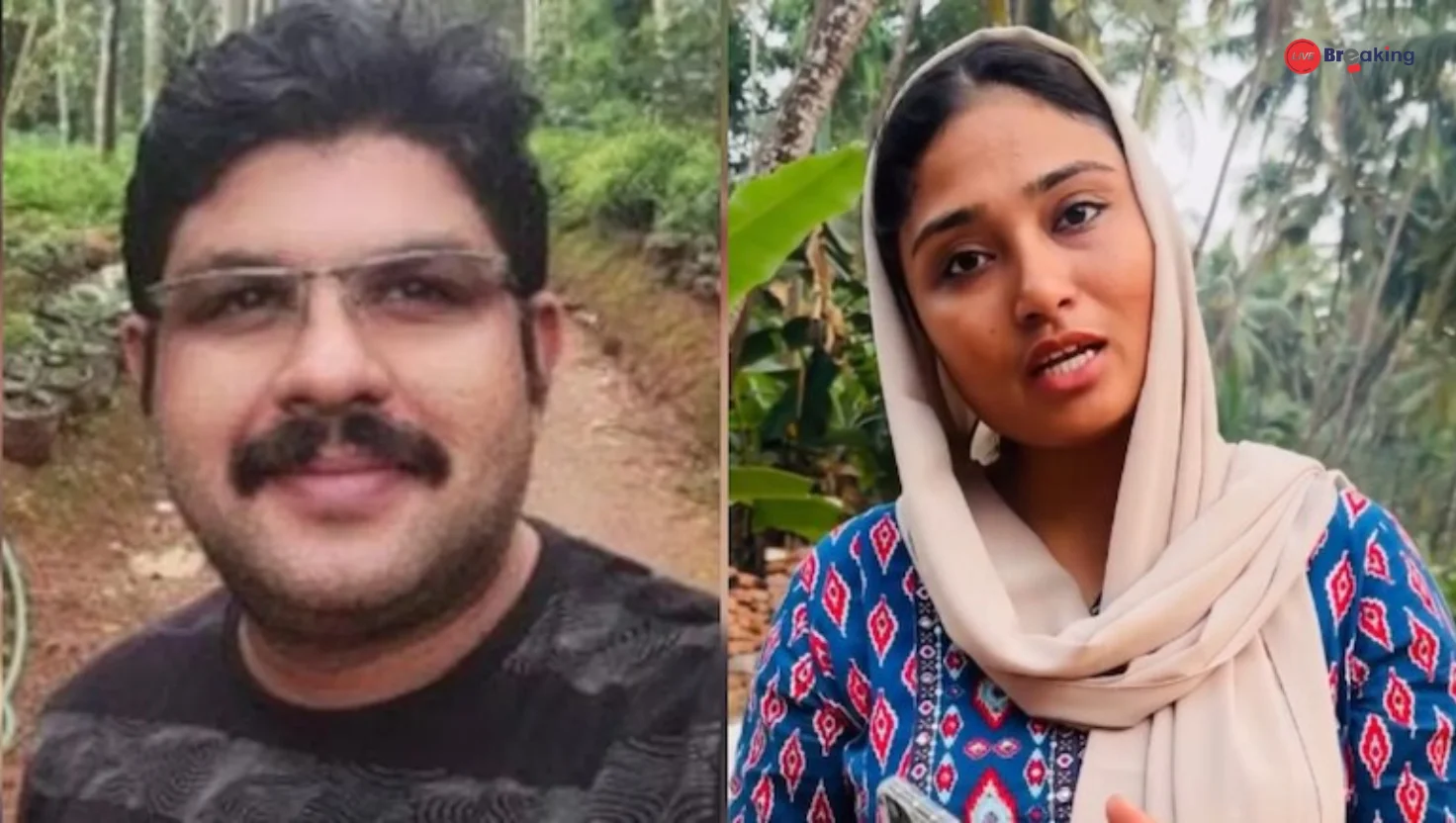
The tragic suicide of Shimjitha Musthafa, a young woman from Kerala, has sent shockwaves across the country, igniting a polarizing debate around sexual harassment allegations, social media trials, and the growing phenomenon of “follower farming.”
The case gained national attention after allegations surfaced against Deepak, with claims that online exposure and public shaming played a significant role in the unfolding tragedy. As the story spread rapidly through digital platforms and mainstream media such as NDTV, it raised uncomfortable but necessary questions about accountability, justice, and the power — and danger — of social media.
What Happened in the Kerala Suicide Case?
According to reports, Shimjitha Musthafa allegedly took her own life following a period of intense emotional distress linked to a harassment controversy that had gone viral online. The case quickly escalated beyond a personal tragedy, becoming a public spectacle fueled by social media narratives, influencer commentary, and competing claims.
While allegations of sexual harassment were at the center of the discourse, counterclaims emerged suggesting that the issue may have been exaggerated or strategically amplified for online attention — a practice now commonly referred to as “follower farming.”
Authorities have since launched investigations to determine the factual sequence of events, while urging the public not to jump to conclusions.
Sexual Harassment Allegations vs Social Media Trials
Sexual harassment is a grave issue, and survivors often turn to digital platforms when institutional mechanisms fail them. However, the Kerala case has reopened debate about whether social media is the right arena for resolving such allegations.
Unlike legal systems, online platforms do not offer due process. Accusations can go viral within hours, reputations can be destroyed instantly, and the psychological toll on all parties involved can be devastating. Critics argue that online “trials” risk replacing justice with outrage-driven judgment.
Read more: India Raises Concerns Over Ukraine War Targeting, Urges Poland Not to Back Pakistan
Supporters, however, insist that social media remains a crucial space for marginalized voices to be heard — especially in cases where victims feel silenced.
The Rise of ‘Follower Farming’ and Influencer Culture
The term “follower farming” refers to the alleged practice of amplifying controversies to gain visibility, followers, and monetization. In the Kerala suicide debate, some commentators questioned whether parts of the narrative were sensationalized to benefit influencers and content creators.
This raises deeper concerns about ethics in the digital age:
-
Are tragedies being exploited for engagement?
-
Where should creators draw the line between awareness and sensationalism?
-
Who bears responsibility when online narratives spiral out of control?
The answers remain complex and deeply contested.
Mental Health, Online Pressure, and Accountability
Mental health experts emphasize that online harassment, public shaming, and viral scrutiny can severely impact psychological well-being. The Kerala incident underscores how relentless digital attention — whether supportive or hostile — can push vulnerable individuals toward extreme outcomes.
The case has renewed calls for:
-
Stronger cyber harassment laws
-
Responsible content moderation
-
Ethical journalism and influencer accountability
-
Greater mental health support systems
Public Reaction and National Discourse
Public opinion remains sharply divided. While some demand strict punishment for alleged harassment, others caution against premature judgment and mob justice. Hashtags, debates, and opinion pieces continue to trend, reflecting a society struggling to balance empathy, justice, and responsibility in the digital era.
Read more: Congress Shows Why It Still Matters in Maharashtra Despite Mumbai Setback
What remains undeniable is that this tragedy has forced India to confront the darker side of online culture.
FAQs
Q1: What is the Kerala suicide case about?
The case involves the suicide of a young woman amid a viral controversy involving harassment allegations and social media exposure.
Q2: Who was accused in the case?
A man named Deepak was accused in the online allegations, though investigations are ongoing.
Q3: What is “follower farming”?
Follower farming refers to using controversy or sensitive issues to gain social media attention, followers, or monetization.
Read More: India Gets New Vande Bharat Sleeper Trains, Features, Route & Benefits
Q4: Is social media a reliable platform for justice?
While it can amplify voices, social media lacks due process and can lead to misinformation and public shaming.
Q5: What lessons does this case highlight?
The case highlights the need for ethical online behavior, mental health awareness, and reliance on lawful investigative processes.
Conclusion
The Kerala suicide case is more than a headline — it is a mirror reflecting the complexities of modern digital society. As investigations continue, the broader lesson is clear: justice, empathy, and responsibility must guide both online and offline actions. Tragedies should prompt reform and reflection, not exploitation.