How an Ex-Branch Manager Masterminded ₹590 Crore Fraud at IDFC FIRST Bank
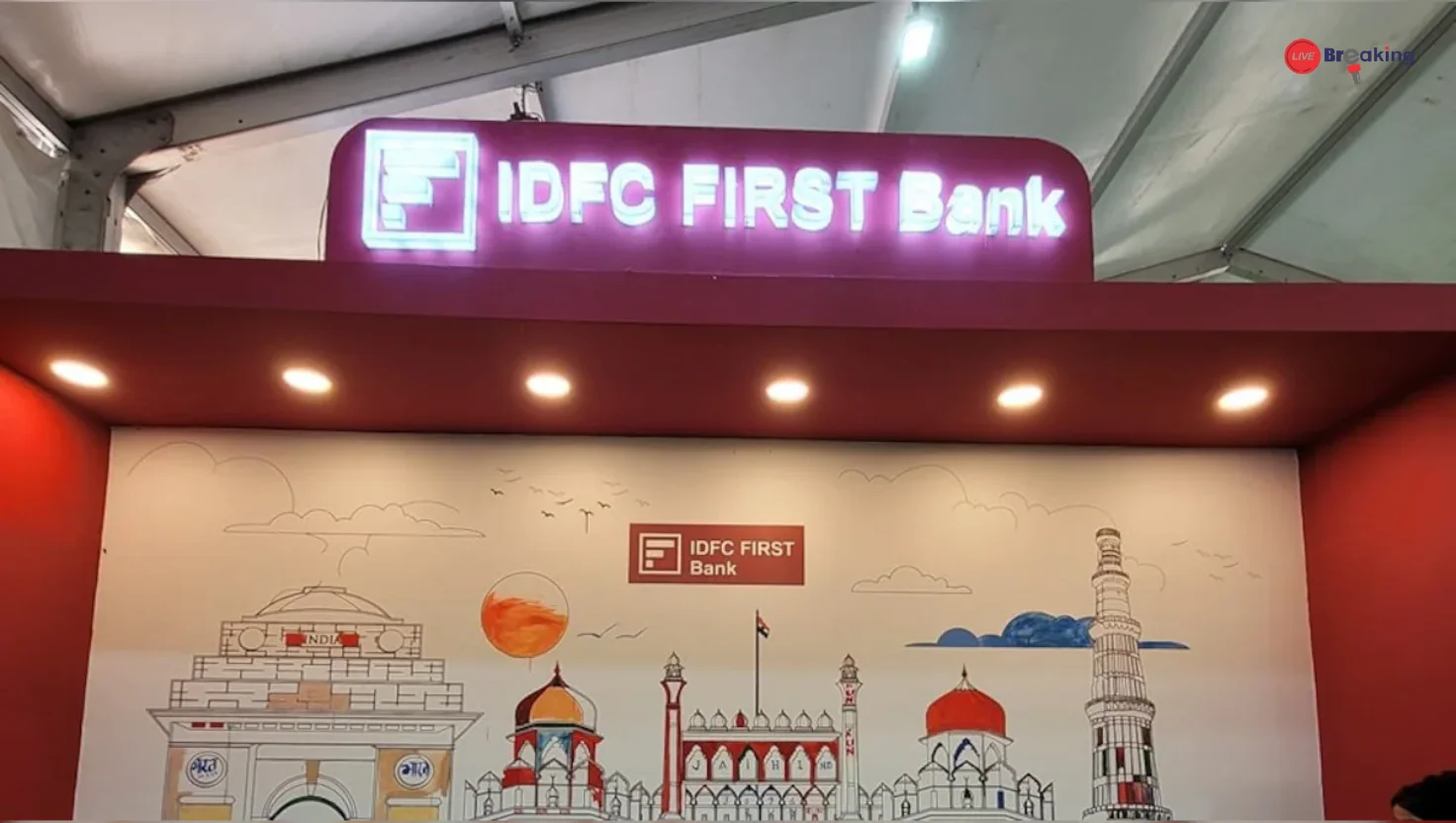
In a startling development that has sent ripples through India’s banking sector, a former branch manager of IDFC FIRST Bank has been accused of orchestrating a massive ₹590-crore fraud. The case has not only stunned customers and investors but also reignited concerns about internal compliance systems and fraud detection mechanisms within financial institutions.
According to reports, the alleged scam was meticulously planned and executed over a period of time, allowing the accused to exploit procedural gaps without immediate detection. The fraud is believed to have involved unauthorized loan disbursements and financial misrepresentation, leading to massive financial exposure for the bank.
How the Fraud Was Allegedly Executed
Preliminary investigations suggest that the former branch manager used their position of authority to manipulate internal banking processes. By leveraging access to sensitive systems and documentation, the accused reportedly sanctioned loans or financial transactions that either did not meet regulatory norms or were issued to fictitious or ineligible entities.
Investigators suspect that forged documents, manipulated customer profiles, and bypassed approval protocols played a key role in keeping the fraud under wraps. In some instances, internal checks that were supposed to flag irregularities were allegedly overridden or circumvented.
The fraud amount — a staggering ₹590 crore — indicates that the scam was not a one-off incident but rather a series of coordinated transactions designed to avoid suspicion. The accused allegedly ensured that transactions were structured in a way that appeared legitimate on the surface, delaying detection.
Internal Controls Under Scrutiny
The incident has brought the spotlight onto the robustness of internal audit systems within private banks. While major financial institutions typically operate with multi-layered approval systems, risk assessment frameworks, and periodic audits, this case highlights how insider access can potentially compromise even strong systems.
Industry experts believe that fraud of this magnitude often involves:
-
Inadequate segregation of duties
-
Weak verification processes
-
Delayed reconciliation checks
-
Over-reliance on manual oversight
Following the discovery, IDFC FIRST Bank reportedly initiated an internal probe and informed relevant regulatory authorities. Enhanced monitoring and forensic audits are now expected to be part of the damage control strategy.
Regulatory and Legal Implications
Financial frauds of such scale typically attract scrutiny from regulatory bodies such as the Reserve Bank of India (RBI) and enforcement agencies. Legal proceedings are likely to involve charges under sections related to criminal breach of trust, cheating, forgery, and financial misconduct.
If proven guilty, the accused could face severe penalties including imprisonment, financial recovery actions, and asset seizures.
Moreover, the case could prompt regulators to tighten compliance guidelines for branch-level operations across banks to prevent similar incidents.
Impact on Customers and Investors
While the bank has not indicated any direct loss to depositors, news of such large-scale fraud can affect investor confidence and brand trust. Banking institutions rely heavily on credibility, and any breach — especially involving insiders — can dent public perception.
Read more: India Tariffs Cut to 10% as Donald Trump Faces US Supreme Court Setback
However, experts clarify that most regulated banks maintain capital buffers and insurance safeguards to absorb such financial shocks. Customers are unlikely to face immediate disruption in regular banking services.
Still, the psychological impact of fraud cases often leads to:
-
Increased customer vigilance
-
Higher regulatory scrutiny
-
Market volatility in banking stocks
Lessons for the Banking Sector
This incident serves as a cautionary tale for financial institutions across India. It underlines the importance of:
-
Strengthening digital audit trails
-
Implementing AI-driven fraud detection
-
Regular employee background checks
-
Real-time transaction monitoring systems
Insider fraud remains one of the most challenging risks for banks because it involves individuals who understand system loopholes.
Going forward, industry analysts expect stronger governance frameworks and enhanced compliance training programs.
FAQs
1. What is the ₹590-crore IDFC FIRST Bank fraud case about?
The case involves a former branch manager allegedly orchestrating fraudulent financial transactions amounting to ₹590 crore by manipulating internal banking systems and loan approvals.
2. How was the fraud discovered?
The irregularities were reportedly identified during internal audits or compliance checks, prompting a deeper forensic investigation.
3. Were customers directly affected?
As per available information, there is no indication of direct loss to customers. Banks typically maintain financial safeguards to absorb such shocks.
4. What legal action can be taken in such cases?
Authorities may file charges related to cheating, criminal breach of trust, and forgery. If convicted, the accused could face imprisonment and financial penalties.
Read more: PM Modi Congratulates BNP’s Tarique Rahman: “India Will Support Democratic, Inclusive Bangladesh”
5. Can such frauds happen in other banks?
While banks have compliance systems in place, insider fraud remains a risk. Strong monitoring, digital oversight, and strict audit controls help reduce such incidents.
Conclusion
The alleged ₹590-crore fraud at IDFC FIRST Bank highlights how even senior-level insiders can exploit systemic vulnerabilities. As investigations continue, the case will likely influence banking regulations, internal audit frameworks, and compliance standards across the industry.
While the financial system remains resilient, this incident underscores the urgent need for stronger governance, transparency, and technology-driven fraud prevention measures.