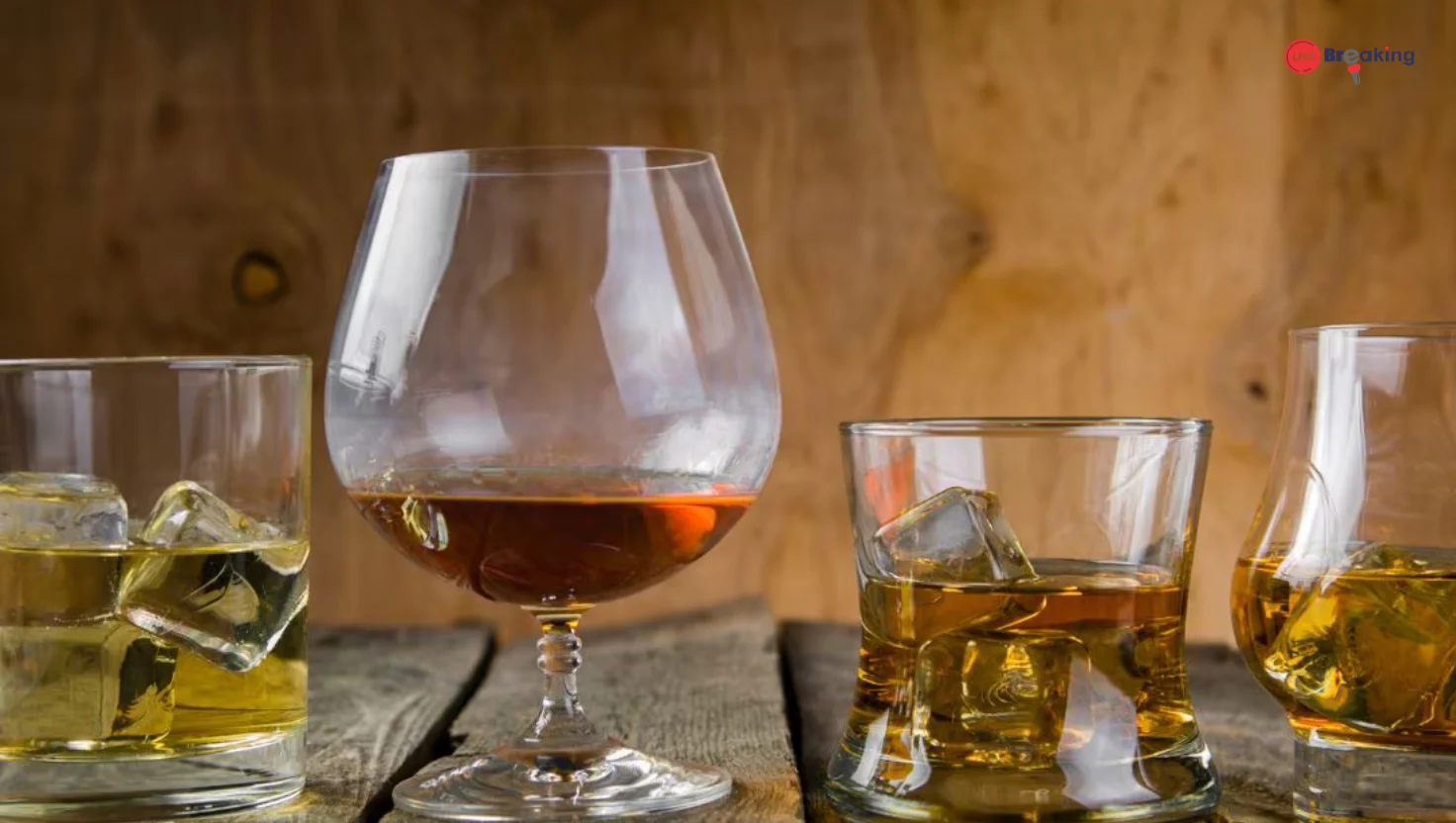
Do Not Mix Alcohol With These Foods: Doctors Flag Harmful Combinations After Beer, Wine, or Whisky
Do Not Mix Alcohol With These Foods: Alcohol impacts nearly every system in the body—from digestion to hydration levels. While most people focus on how much they drink, what you eat with alcohol is just as important. Certain foods can worsen intoxication, trigger digestive upset, increase dehydration, or heighten blood sugar fluctuations. Doctors and nutritionists consistently warn against mixing alcohol with the following foods to prevent discomfort, bloating, and severe hangovers.
Below are the top food combinations you should avoid when consuming beer, wine, whisky, or other alcoholic beverages.
Spicy Foods: A Recipe for Acid Reflux and Gastric Irritation
Spicy dishes like hot wings, chili-based curries, and pepper-heavy snacks may seem like great bar companions, but doctors advise otherwise. Alcohol relaxes the lower esophageal sphincter, making acid reflux more likely. When combined with chili or pepper-rich foods, the burning sensation increases, leading to stomach irritation, heartburn, and nausea.
If you’re prone to gastritis or acid reflux, this combination can be especially harmful.
Salty Snacks: Chips, Fries, and Nuts Intensify Dehydration
Bars serve salty snacks for a reason—they make you drink more. Excess sodium combined with alcohol’s diuretic effects dramatically increases dehydration. This not only worsens hangovers the next day but can also cause headaches, dizziness, and water retention.
While salty snacks are tempting, healthier pairings—such as balanced protein or fiber-rich foods—are a better choice.
Sugary Foods and Desserts: A Dangerous Blood Sugar Roller Coaster
Mixing alcohol with sweets like cakes, chocolate, pastries, or sugary cocktails floods your system with simple carbohydrates. Doctors warn that this combination causes rapid blood sugar spikes, followed by a hard crash.
This can lead to:
-
Fatigue
-
Headaches
-
Nausea
-
Increased intoxication
Sugar also intensifies alcohol absorption, making you feel drunk faster. If you must have dessert, opt for something with balanced ingredients rather than pure sugar.
Read more: Common Symptoms, Serious Risks: How Bloating Can Indicate Stomach Cancer
Fried and Greasy Foods: Harder Digestion and Increased Stomach Upset
Many people reach for fried foods—burgers, fries, pakoras, wings—before or during drinking, thinking it’ll “soak up the alcohol.” But doctors say too much grease slows digestion, which can delay alcohol absorption initially and then hit your system all at once.
This can cause bloating, indigestion, and nausea. A better pre-drink meal is lean protein with complex carbs.
Caffeinated Drinks: Coffee, Energy Drinks, and Alcohol Don’t Mix
Caffeine masks alcohol’s depressant effects, giving you a false sense of alertness. This may lead you to drink more, stay out longer, and underestimate your level of intoxication.
Energy drinks mixed with alcohol significantly increase heart rate and anxiety, according to wellness experts. This combination is especially dangerous for people with blood pressure or heart-related issues.
Dairy Products: Not Ideal for Sensitive Stomachs
Milk, cheese, creamy pasta, and heavy dairy-based dishes can curdle in the stomach when mixed with alcohol. This commonly leads to bloating, gas, and digestive discomfort. People with lactose intolerance may experience even more severe symptoms.
Read more: Boost Your Protein Intake with These 4 Delicious Homemade Ladoos
While dairy isn’t harmful for everyone, it’s best avoided during heavy drinking sessions.
Acidic Foods: Citrus Fruits, Tomatoes, and Vinegar-Based Dishes
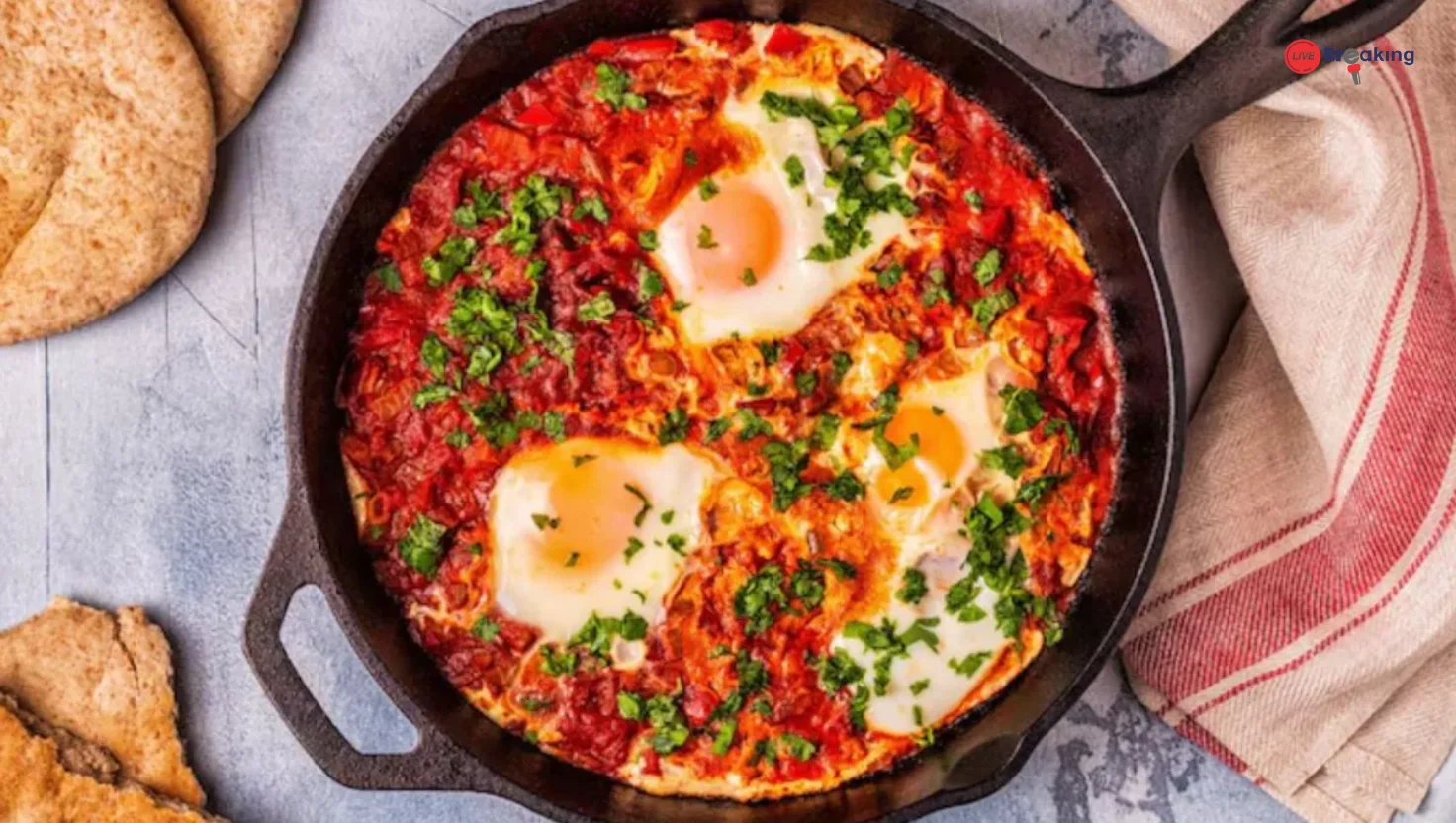
Foods high in acidity—like tomatoes, citrus fruits, pickles, and vinaigrette salads—can increase stomach acidity when combined with alcohol. This can irritate the stomach lining and cause acid reflux or heartburn, especially when drinking wine or beer.
Final Takeaway
What you eat while drinking matters as much as what you sip. Avoid spicy, greasy, sugary, salty, and acidic foods, along with dairy-heavy dishes and caffeinated mixers. Making smarter food choices can help reduce nausea, bloating, dehydration, and the intensity of hangovers.