Developmental Dysplasia of the Hip (DDH): Causes, Symptoms, Diagnosis & Treatment Guide
Developmental Dysplasia of the Hip (DDH) is a condition that affects the proper formation of the hip joint in infants and young children. It occurs when the hip joint is unstable, misaligned, or improperly developed, potentially leading to long-term mobility issues if left untreated. Early diagnosis and timely treatment play a crucial role in ensuring normal hip development and preventing complications later in life.
What is Developmental Dysplasia of the Hip (DDH)?
Developmental Dysplasia of the Hip refers to a spectrum of hip abnormalities ranging from mild instability to complete dislocation of the hip joint. In a healthy hip, the ball (femoral head) fits snugly into the socket (acetabulum). In DDH, this fit is abnormal, which may cause the hip to partially or completely slip out of place.
Causes of Developmental Dysplasia of the Hip
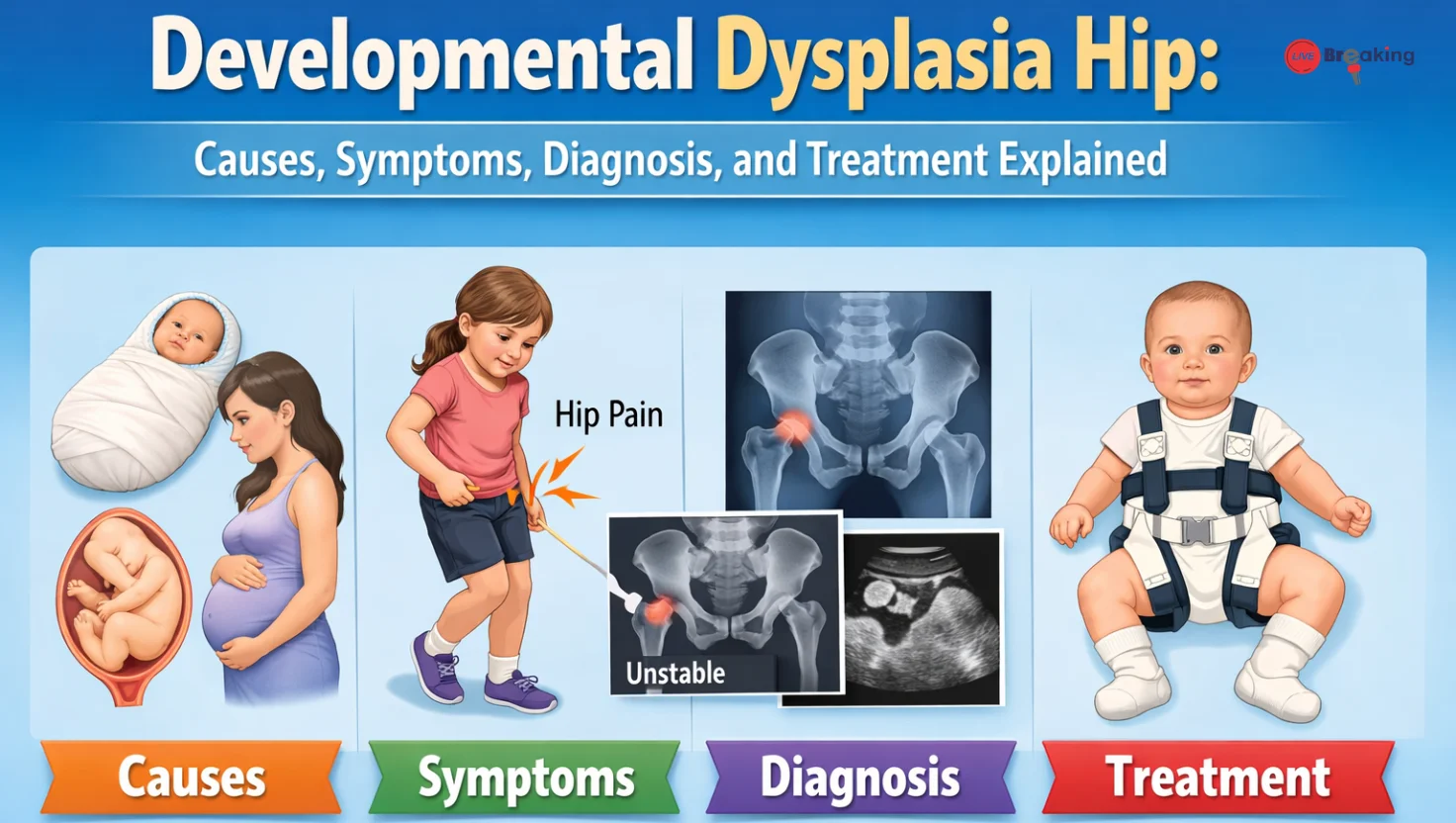
The exact cause of DDH is not always clear, but several risk factors contribute to its development:
1. Genetic Factors
A family history of hip dysplasia increases the likelihood of a child developing the condition.
2. Breech Birth Position
Babies born in a breech position (feet or buttocks first) are at higher risk due to abnormal pressure on the hip joints.
3. Gender
DDH is more common in females than males, possibly due to hormone-related ligament laxity.
4. Firstborn Babies
Firstborn children may have a higher risk because of tighter space in the uterus.
5. Swaddling Practices
Improper swaddling that restricts leg movement can contribute to hip misalignment.
Symptoms of Developmental Dysplasia of the Hip
Symptoms may vary depending on the severity and age of the child:
- Uneven leg lengths
- Limited range of motion in one leg
- Asymmetrical skin folds on thighs or buttocks
- Clicking or popping sound in the hip joint
- Limping or abnormal walking pattern (in older children)
Early stages may not show obvious symptoms, which makes regular pediatric check-ups essential.
Diagnosis of DDH
Early diagnosis is critical for successful treatment. Doctors use several methods:
1. Physical Examination
Pediatricians perform tests like the Ortolani and Barlow maneuvers to detect hip instability.
2. Ultrasound Imaging
Used for infants under six months, as their bones are not fully developed.
3. X-rays
More effective in older infants and children to assess bone structure and alignment.
Treatment Options for DDH
Treatment depends on the child’s age and severity of the condition:
Read More: Rice Water vs. Rosemary Oil: Which Viral Growth Remedy Wins?
1. Pavlik Harness (Infants)
A soft brace that holds the baby’s hips in the correct position, allowing proper joint development.
2. Closed Reduction
A non-surgical procedure where the hip is manually repositioned under anesthesia.
3. Open Surgery
In severe cases, surgery is required to realign the hip joint and ensure stability.
4. Casting (Spica Cast)
After procedures, a cast is used to keep the hip in position during healing.
Complications if Left Untreated
If DDH is not treated early, it may lead to:
- Chronic hip pain
- Early-onset arthritis
- Difficulty walking or limping
- Reduced mobility
Prevention Tips
While DDH cannot always be prevented, certain steps can reduce risk:
- Practice hip-friendly swaddling (allow free leg movement)
- Attend regular pediatric screenings
- Monitor babies with risk factors more closely
Table: Overview of DDH
| Aspect | Details |
|---|---|
| Condition Name | Developmental Dysplasia of the Hip |
| Affected Group | Infants and young children |
| Main Cause | Improper hip joint development |
| Common Symptoms | Uneven legs, limited motion, hip clicking |
| Diagnosis Tools | Physical exam, ultrasound, X-ray |
| Treatments | Harness, reduction, surgery |
| Prevention | Proper swaddling, early screening |
Read more: Boost Positive Vibes: 7 Home Decor Pieces For Luck & Abundance
FAQs
1. What is Developmental Dysplasia of the Hip?
It is a condition where the hip joint does not develop properly, causing instability or dislocation in infants.
2. Can DDH correct itself naturally?
Mild cases may improve on their own, but most require monitoring or treatment to prevent complications.
3. At what age is DDH diagnosed?
It is often diagnosed during infancy through routine check-ups, but some cases are identified later when walking issues appear.
4. Is DDH painful for babies?
DDH usually does not cause pain in infants but can lead to discomfort and mobility issues if untreated.
Read more: Home Decor Ideas: Small Changes, Big Impact, Easy Additions to Refresh Every Room
5. How effective is treatment for DDH?
When diagnosed early, treatment is highly effective, with most children achieving normal hip function.
Conclusion
Developmental Dysplasia of the Hip is a manageable condition when identified early. With proper screening, timely intervention, and appropriate care, most children can grow up with healthy and functional hip joints. Parents should stay informed and proactive in monitoring their child’s development to ensure early detection and treatment.