Delhi Liquor Shops Open This Holi After Removal from Dry Day List – What You Need to Know
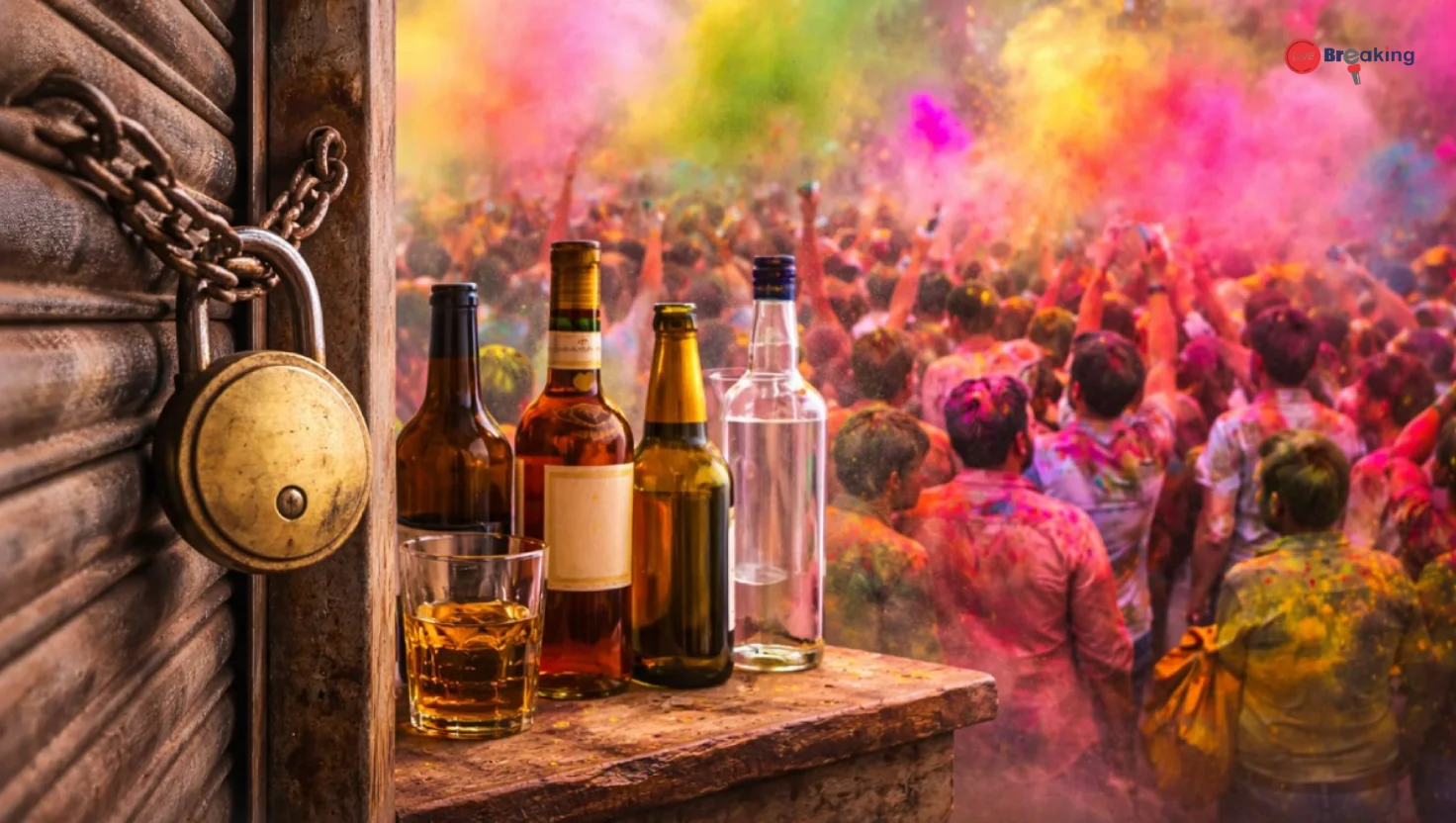
In a significant move ahead of the festive season, Delhi liquor shops will remain open this Holi after the festival was removed from the official dry day list by the Delhi government. The decision marks a shift from previous years when Holi was typically observed as a dry day, mandating the closure of liquor vends across the national capital.
The change has sparked conversations among residents, business owners, and policymakers alike. While some see it as a practical step aligned with public demand and revenue considerations, others believe festive sensitivity should still be prioritized.
This development comes as part of the updated excise policy and revised dry day calendar issued by the Delhi authorities.
What Is a Dry Day and Why Was Holi Included Earlier?
A “dry day” refers to a day when the sale of alcohol is prohibited by government order. In India, dry days are commonly declared on:
-
National holidays (e.g., Republic Day, Independence Day, Gandhi Jayanti)
-
Election days
-
Religious festivals
-
Specific state-observed occasions
Holi, being one of the most widely celebrated festivals in North India, was traditionally included in Delhi’s dry day calendar. The rationale often cited included maintaining public order and preventing alcohol-related disturbances during large-scale celebrations.
However, this year’s updated list excludes Holi from mandatory liquor sale restrictions.
Why Was Holi Removed from the Dry Day List?
According to officials, the decision was taken after reviewing excise regulations and public response. Key reasons believed to have influenced the move include:
1. Revenue Considerations
Festivals typically see a surge in liquor sales. Allowing shops to remain open during Holi can significantly boost excise revenue.
2. Public Convenience
Many residents had questioned the logic of imposing restrictions on a day when private gatherings are common.
3. Policy Rationalization
The revised dry day list reportedly aims to limit closures strictly to nationally significant days and legally mandated events.
Revised Dry Day Policy Overview
Below is a simplified comparison of how the policy has changed:
| Category | Earlier Status | Current Status |
|---|---|---|
| Holi | Dry Day (Liquor Shops Closed) | Not a Dry Day (Shops Open) |
| Republic Day | Dry Day | Dry Day |
| Independence Day | Dry Day | Dry Day |
| Gandhi Jayanti | Dry Day | Dry Day |
| Election Days | Dry Day | Dry Day |
The table shows that while major national observances remain unaffected, Holi has been reclassified under the new policy framework.
Impact on Residents and Businesses
Positive Reactions
Many residents welcomed the decision, calling it practical and reflective of social realities. Retailers and licensed liquor vendors also anticipate increased sales due to festive demand.
Business owners argue that restrictions often led to last-minute rushes, long queues, and supply strain. Keeping shops open may ensure smoother distribution and better regulation.
Concerns Raised
On the other hand, some social groups have expressed concerns regarding public safety and law enforcement challenges. Holi celebrations often involve large crowds, and the availability of alcohol could potentially complicate crowd management if not properly regulated.
Read more: How Mossad Spies & Hacked Traffic Cameras Led to Khamenei Assassination – Deep Intel Report
Authorities, however, have assured that standard policing measures and enforcement protocols will remain in place.
Excise Department’s Role and Regulatory Safeguards
Even though liquor shops will remain open, certain regulations will continue to apply:
-
No sale to minors
-
No sale beyond permitted hours
-
Strict enforcement against public drinking in prohibited areas
-
Penalties for disorderly conduct
The Delhi Excise Department has clarified that the move does not mean relaxation of compliance norms.
How This Decision Aligns with Broader Policy Trends
Across several states in India, governments periodically review dry day policies. Some states maintain strict restrictions, while others have reduced the number of dry days to boost revenue and simplify enforcement.
Delhi’s move appears to align with a broader administrative trend of balancing regulation with economic considerations.
Public Safety Measures During Holi
Authorities have indicated that security arrangements for Holi will include:
-
Increased police deployment in sensitive areas
-
Random breathalyzer checks
-
Monitoring of licensed vendors
-
Emergency response teams on standby
Officials have emphasized that responsible celebration remains the priority.
Read more: Iran Enters Survival Mode After Assassination Of Supreme Leader Khamenei
What Residents Should Know
If you are planning Holi celebrations in Delhi, here are some key takeaways:
-
Liquor shops will remain open as per standard operating hours.
-
Consumption in public spaces remains regulated.
-
Law enforcement will monitor festive activities.
-
Overconsumption or nuisance behavior will attract penalties.
Frequently Asked Questions (FAQs)
1. Will all liquor shops in Delhi remain open this Holi?
Yes, licensed liquor shops in Delhi are allowed to operate as Holi has been removed from the dry day list. However, shops must follow standard operating hours and regulations.
2. Why was Holi removed from the dry day list?
The government revised its excise calendar, limiting dry days primarily to national holidays and legally mandated observances.
3. Are there any restrictions still in place?
Yes. Sale to minors, public disorder, and violations of licensing rules remain strictly prohibited.
4. Does this change apply to restaurants and bars as well?
Licensed establishments can operate as per their regular permissions, subject to compliance with excise laws and local regulations.
5. Could Holi be declared a dry day again in the future?
Policy decisions are subject to periodic review. Any future changes would depend on administrative and legal considerations.
Broader Social Context
Holi, known as the “Festival of Colors,” symbolizes joy, renewal, and community bonding. Traditionally marked by vibrant gatherings, music, sweets, and celebration, the festival’s evolving regulatory landscape reflects changing governance approaches in urban India.
Read more: ‘I Would Intervene But…’: Trump On Pakistan-Afghanistan “Open War”
While some view alcohol availability as a personal choice matter, others stress the importance of moderation and safety during mass celebrations.
Ultimately, the government’s decision underscores an attempt to balance public sentiment, administrative feasibility, and economic factors.
Conclusion
The removal of Holi from Delhi’s dry day list marks a noteworthy policy shift in the capital’s excise framework. As liquor shops prepare to remain open during one of the city’s most celebrated festivals, authorities emphasize responsible celebration and strict compliance with regulations.
Residents are encouraged to celebrate safely, respect public norms, and ensure that the spirit of Holi remains joyful and harmonious for all.