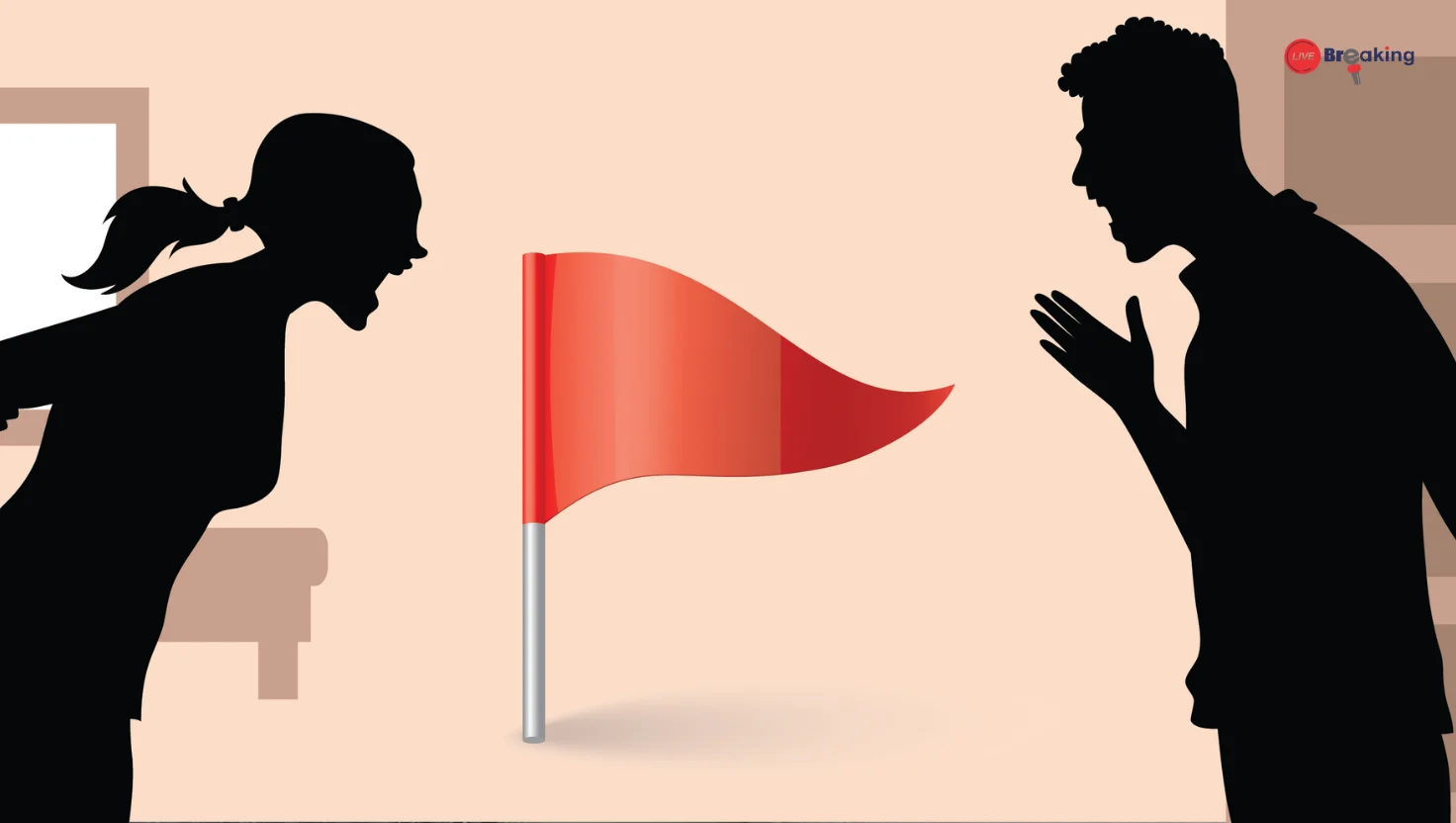
Dating Red Flags You Shouldn’t Ignore
Dating can be exciting, emotionally fulfilling, and full of hope. However, not every relationship that starts with sparks is healthy in the long run. In today’s fast-paced dating culture—especially with the rise of online dating—it’s more important than ever to recognize dating red flags early. Ignoring these warning signs can lead to emotional stress, loss of self-worth, or even toxic relationships.
Red flags aren’t always obvious. Sometimes they appear subtly, disguised as charm, concern, or passion. This article explores the most important dating red flags you shouldn’t ignore, helping you make smarter and healthier relationship choices.
What Are Dating Red Flags?
Dating red flags are behaviors, attitudes, or patterns that signal potential problems in a relationship. They don’t necessarily mean someone is a bad person, but they do indicate incompatibility, emotional unavailability, or harmful tendencies. Recognizing these signs early allows you to set boundaries or walk away before becoming deeply invested.
Lack of Communication and Emotional Availability
One of the biggest dating red flags is poor communication. If your partner avoids meaningful conversations, dismisses your feelings, or refuses to talk about issues, it can lead to long-term frustration.
Emotional unavailability often shows up as:
-
Avoiding serious topics
-
Inconsistent responses or ghosting
-
Shutting down during conflict
Healthy relationships thrive on open, honest communication. If you feel unheard or emotionally neglected, it’s a sign worth paying attention to.
Controlling or Possessive Behavior
Control is often mistaken for care in the early stages of dating. However, excessive jealousy, constant checking, or isolating you from friends and family are major red flags.
Warning signs include:
-
Demanding access to your phone or social media
-
Getting angry when you spend time with others
-
Making decisions on your behalf
Control tends to escalate over time, so addressing it early is crucial.
Disrespect and Boundary Violations
Respect is non-negotiable in any relationship. If someone regularly ignores your boundaries—whether emotional, physical, or personal—it’s a serious concern.
Examples of disrespect include:
-
Making fun of your beliefs or goals
-
Pressuring you into uncomfortable situations
-
Dismissing your “no”
A partner who truly cares will respect your limits without argument.
Inconsistent Words and Actions
If someone says all the right things but their actions don’t match, it’s a red flag. Consistency builds trust, while inconsistency creates confusion and insecurity.
Common examples:
-
Promising commitment but avoiding labels
-
Apologizing without changing behavior
-
Being affectionate one day and distant the next
You should believe patterns of behavior more than verbal reassurances.
Read more: India Raises Concerns Over Ukraine War Targeting, Urges Poland Not to Back Pakistan
Constant Negativity or Playing the Victim
Everyone has bad days, but constant negativity can drain your emotional energy. If your partner always blames others, avoids accountability, or portrays themselves as the victim in every situation, it may signal emotional immaturity.
This mindset can lead to:
-
Guilt-tripping
-
Emotional manipulation
-
Lack of personal growth
Healthy partners take responsibility for their actions and strive to improve.
Rushing the Relationship Too Fast
While excitement is natural, moving too fast can be a hidden red flag. Excessive intensity early on—often called “love bombing”—may feel flattering but can mask deeper issues.
Signs include:
-
Declaring love very quickly
-
Pressuring for commitment
-
Making grand promises early
A strong relationship develops gradually with mutual trust and understanding.
Ignoring Your Gut Feeling
Sometimes the biggest red flag is an internal one. If something feels off, uncomfortable, or emotionally draining, trust your instincts. Your intuition often picks up on things your mind hasn’t fully processed yet.
Feeling anxious, confused, or constantly questioning the relationship is not normal in healthy dating dynamics.
Read More: India Gets New Vande Bharat Sleeper Trains, Features, Route & Benefits
Why Recognizing Red Flags Early Matters
Ignoring red flags doesn’t make them disappear—it often makes them stronger. Early awareness helps protect your emotional health, saves time, and allows space for healthier connections. Dating should enhance your life, not complicate it.
Choosing to walk away from red flags isn’t a failure; it’s self-respect.
Final Thoughts
Dating is about learning, growth, and connection—but it should never come at the cost of your well-being. Recognizing dating red flags early empowers you to make better decisions and build healthier relationships. Pay attention to patterns, trust your instincts, and remember that you deserve respect, honesty, and emotional safety.