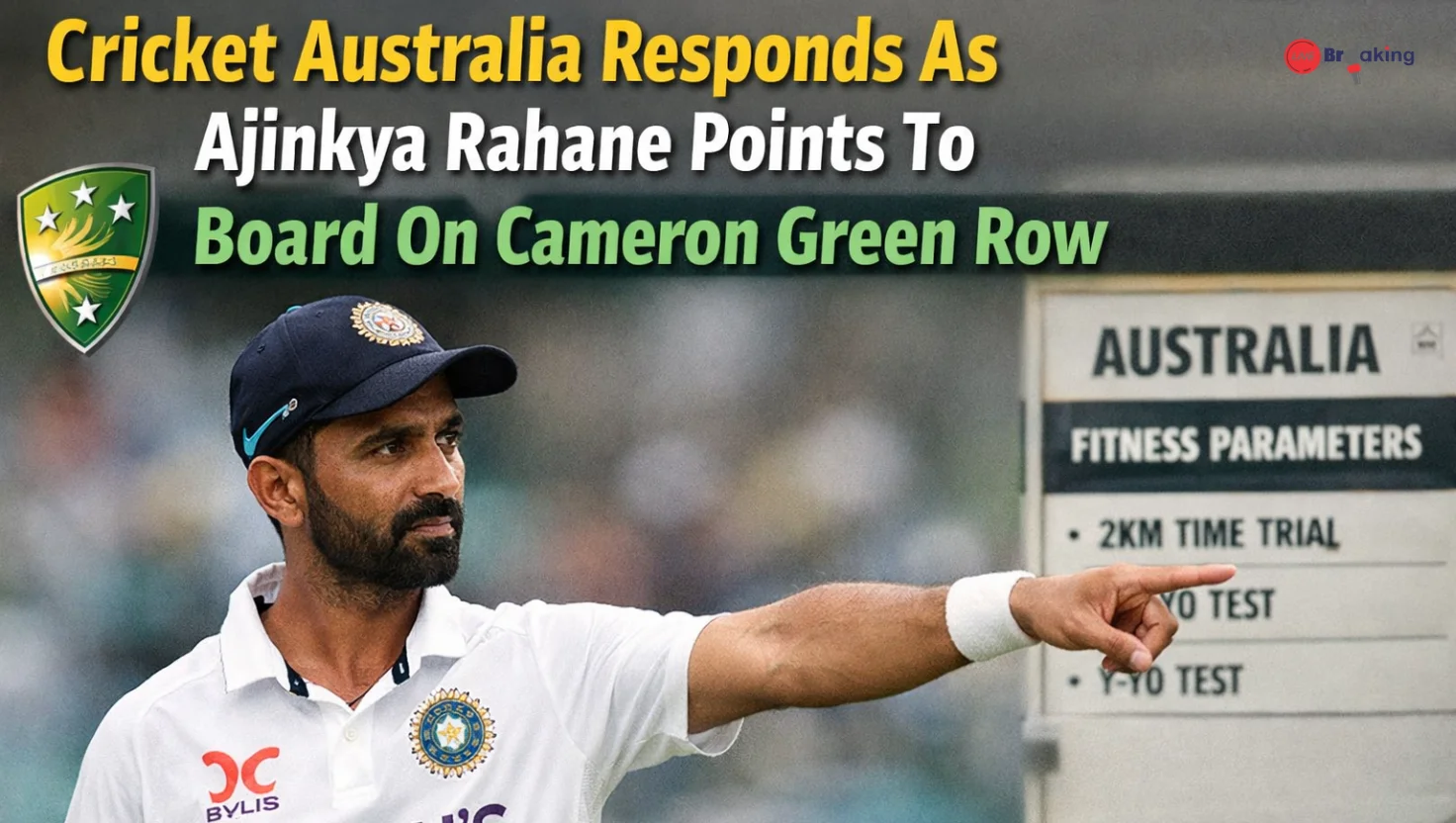
Cricket Australia Responds As Ajinkya Rahane Points To Board On Cameron Green Row
The ongoing IPL 2026 season has taken a dramatic turn after Ajinkya Rahane publicly raised concerns regarding the handling of Cameron Green, prompting a response from Cricket Australia. What began as a routine cricketing matter has now escalated into a broader discussion about player workload, communication between boards, and the responsibilities of cricketing authorities in franchise leagues.
This development has not only grabbed headlines but also stirred conversations among fans, experts, and former players about how international commitments intersect with franchise tournaments like the IPL.
What Sparked the Cameron Green Controversy?
The controversy began when Cameron Green’s availability and workload management came under scrutiny during IPL 2026. Reports suggested that decisions regarding his participation were influenced by Cricket Australia’s internal planning, leading to confusion within his IPL franchise.
Ajinkya Rahane, known for his composed demeanor, surprisingly voiced his concerns, hinting that better clarity from Cricket Australia could have avoided the situation. His comments suggested that franchises deserve transparent communication when it comes to player availability, especially in a high-stakes tournament like the IPL.
Rahane’s remarks quickly gained traction, as they touched on a recurring issue in modern cricket — the clash between international duties and franchise commitments.
Ajinkya Rahane’s Strong Statement
Ajinkya Rahane did not hold back while addressing the issue. He pointed out that cricket boards must take responsibility for clear communication regarding player fitness and scheduling.
According to Rahane, such uncertainties can disrupt team strategies and planning. In a tournament like IPL, where every match can determine playoff qualification, sudden changes in player availability can have significant consequences.
His statement reflects a growing sentiment among players and franchises that cricket boards need to align more effectively with league organizers to ensure smooth operations.
Cricket Australia’s Official Response
In response to Rahane’s remarks, Cricket Australia clarified its stance, emphasizing that player welfare remains their top priority. The board stated that decisions regarding Cameron Green were made keeping long-term fitness and international commitments in mind.
Cricket Australia also highlighted that managing workload is essential, especially for all-rounders like Green, who contribute both with bat and ball. The board maintained that it communicates regularly with franchises, though situations can sometimes evolve rapidly due to fitness concerns or scheduling conflicts.
This response, while measured, did little to completely silence the debate, as questions remain about transparency and coordination.
Impact on IPL 2026 Teams and Strategy
The Cameron Green situation has had a ripple effect on team dynamics. IPL franchises invest heavily in overseas players, both financially and strategically. When such players become unavailable or uncertain, it forces teams to rethink their combinations.
For Rahane’s team, this may have meant reshuffling the batting order or adjusting bowling strategies. The unpredictability adds pressure not only on captains but also on coaching staff.
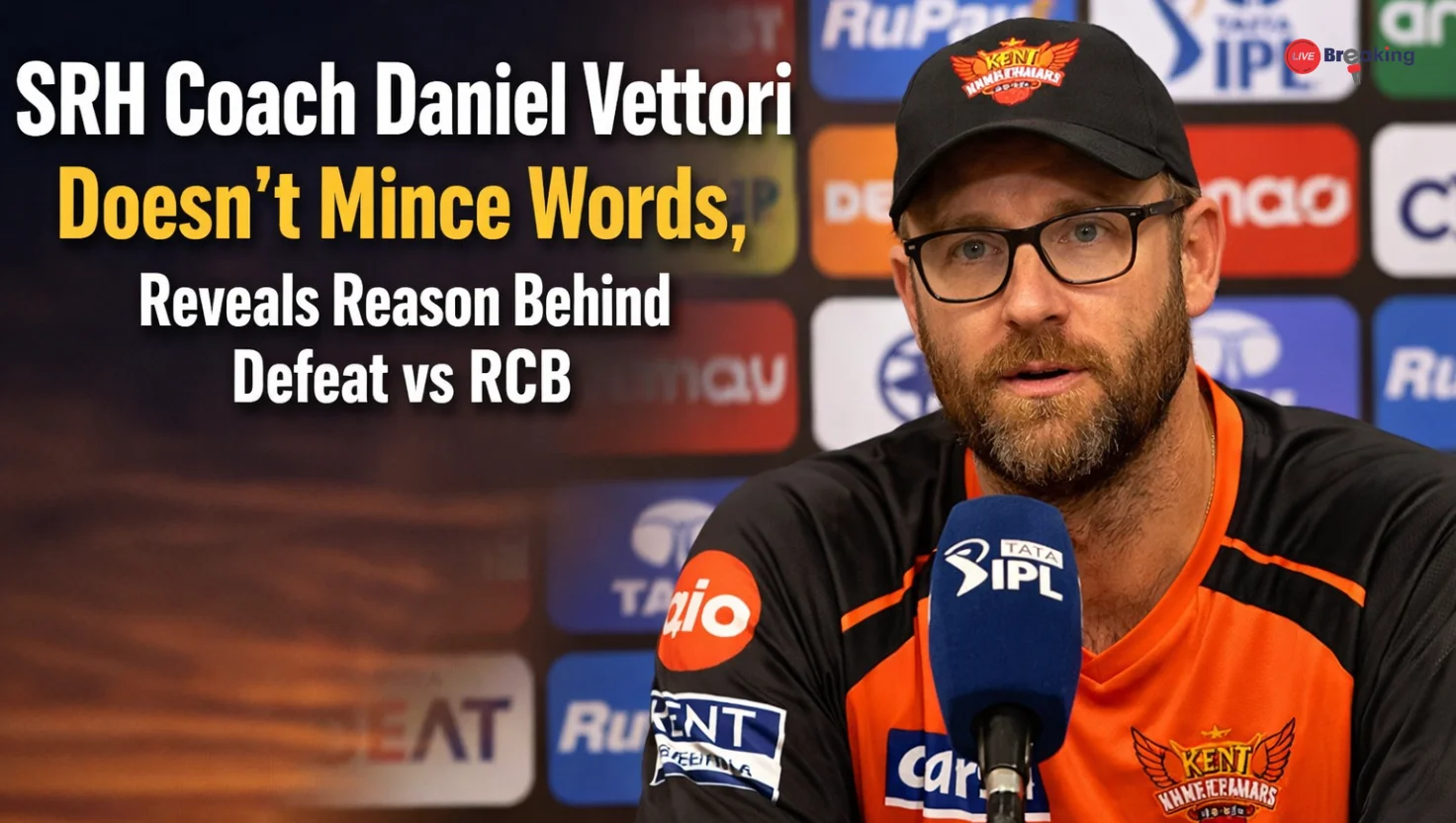
Read more: SRH vs RCB 2026: Daniel Vettori Slams Bowlers After Defeat, Kohli Shines
In a tournament as competitive as IPL, even minor disruptions can influence outcomes, making clear communication crucial.
Player Workload vs Franchise Expectations
This controversy highlights a broader issue in international cricket — balancing player workload with franchise commitments.
Modern cricketers participate in multiple formats and leagues throughout the year. Boards like Cricket Australia often prioritize international fixtures, while franchises expect full availability during tournaments.
This dual responsibility creates friction, especially when last-minute decisions affect team balance. The Cameron Green case serves as another example of why a unified framework may be necessary to manage player participation globally.
Expert Opinions and Fan Reactions
Cricket experts have weighed in on the situation, with many supporting Rahane’s call for better communication. Former players have argued that while player welfare is important, franchises also deserve clarity given their investments.
Read more: Sivakarthikeyan Urges MS Dhoni to Play Till 60 – CSK Legend’s Epic Response Goes Viral
Fans, meanwhile, have taken to social media to express mixed reactions. Some support Cricket Australia’s cautious approach, while others believe that IPL teams are often left in the dark regarding key decisions.
The debate underscores how emotionally invested fans are in IPL and how such controversies can quickly become major talking points.
Key Facts at a Glance
| Aspect | Details |
|---|---|
| Player Involved | Cameron Green |
| Concern Raised By | Ajinkya Rahane |
| Governing Body | Cricket Australia |
| Issue | Player availability & workload management |
| Tournament | IPL 2026 |
| Core Debate | Communication vs Player Welfare |
Read More: Delhi To Manchester IndiGo Flight Makes U-Turn After 7 Hours Amid Iran War
What Happens Next?
As the IPL 2026 season progresses, all eyes will remain on how this situation evolves. Will Cricket Australia improve its communication with franchises? Will IPL teams demand clearer agreements before signing overseas players?
While the immediate controversy may settle, the larger issue is unlikely to disappear. With cricket becoming increasingly global, coordination between boards and leagues will be more important than ever.
Conclusion
The Cameron Green controversy, amplified by Ajinkya Rahane’s remarks and Cricket Australia’s response, has once again exposed the complexities of modern cricket.
At its core, this issue is not just about one player or one decision — it reflects a systemic challenge in balancing international commitments with franchise cricket.
As IPL continues to grow in stature, such debates will shape the future of player management, communication, and global cricket governance.
FAQs
Q1: Why did Ajinkya Rahane criticize Cricket Australia?
Rahane raised concerns about unclear communication regarding Cameron Green’s availability, suggesting that better coordination could have avoided confusion for IPL teams.
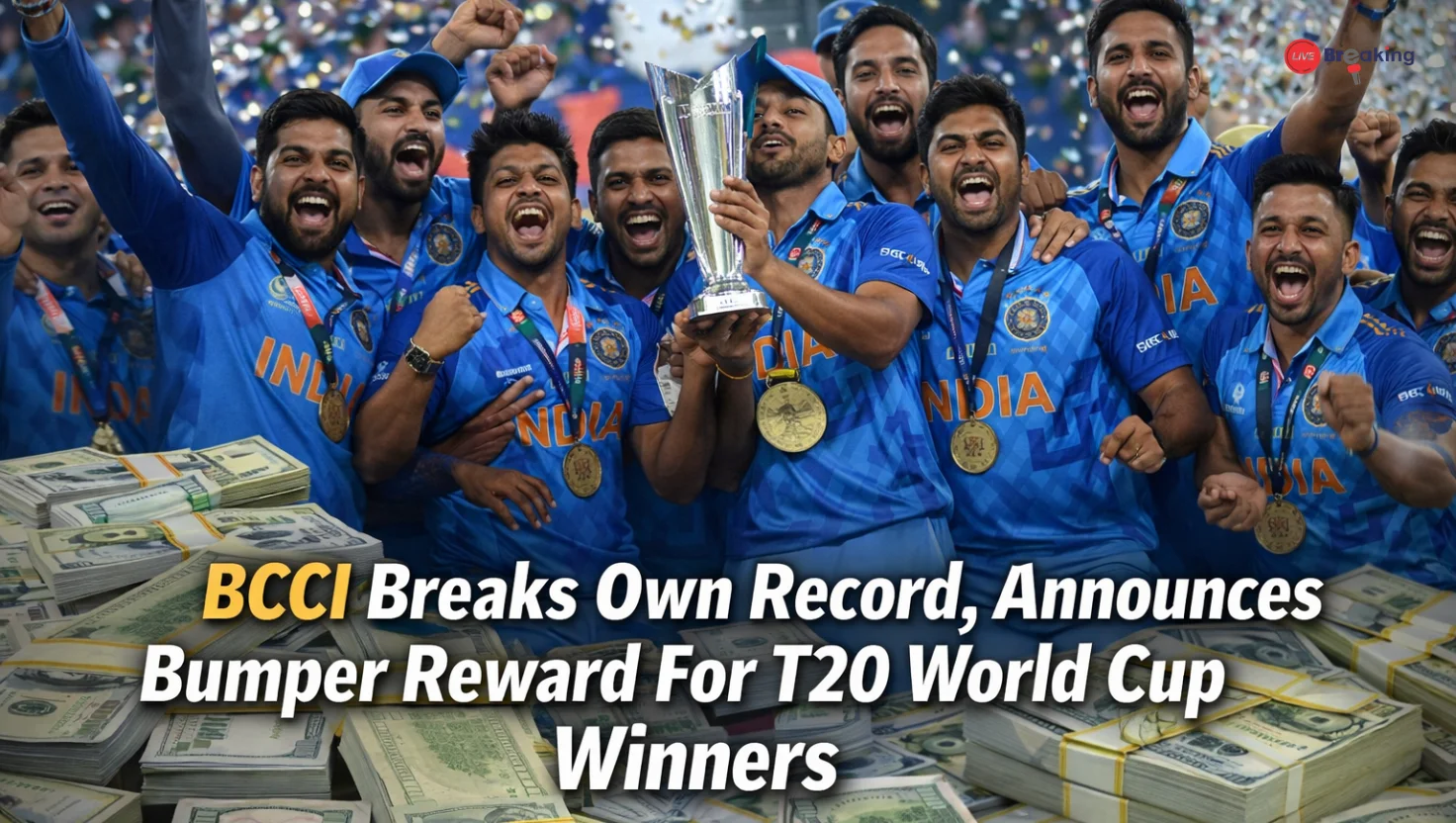
Read more: BCCI Breaks Own Record, Announces Bumper Reward For T20 World Cup Winners
Q2: What was Cricket Australia’s response?
Cricket Australia stated that player welfare is their priority and decisions were made considering Cameron Green’s long-term fitness and international commitments.
Q3: How does this affect IPL teams?
Uncertainty around player availability can disrupt team strategy, forcing franchises to make last-minute adjustments in playing XI and tactics.
Q4: Is this a common issue in cricket?
Yes, conflicts between international schedules and franchise leagues are increasingly common due to packed cricket calendars.
Q5: What could be the solution?
Better coordination between cricket boards and franchise leagues, along with clearer communication protocols, could help prevent such controversies.