Natural Ayurvedic Remedies to Soothe Period Cramps and Menstrual Pain
Menstrual pain and period cramps are common concerns for many women, often disrupting daily life and overall well-being. Ayurveda, the ancient Indian system of holistic healing, offers gentle and natural solutions that aim not just to suppress pain, but to balance the body from within. By addressing digestion, circulation, and hormonal harmony, Ayurvedic remedies can help reduce cramps, bloating, fatigue, and mood swings associated with menstruation.
In this article, we’ll explore effective Ayurvedic remedies, dietary practices, lifestyle tips, and herbal supports that can naturally soothe menstrual discomfort.
Understanding Menstrual Pain in Ayurveda
According to Ayurveda, menstrual pain is primarily linked to an imbalance in Vata dosha, which governs movement, circulation, and the nervous system. When Vata becomes aggravated—due to stress, irregular eating, poor digestion, or lack of rest—it can lead to spasmodic pain, cramps, dryness, and anxiety during periods.
The Ayurvedic approach focuses on calming Vata, supporting healthy digestion (Agni), and improving blood flow in the pelvic region.
Ayurvedic Herbs for Period Cramps
1. Ginger (Adrak)
Ginger is widely used in Ayurveda for its warming and anti-inflammatory properties. It helps improve circulation and relax uterine muscles, reducing cramping and nausea. Drinking ginger tea once or twice a day during menstruation can offer noticeable relief.
2. Ashwagandha
Known as an adaptogenic herb, ashwagandha helps manage stress and hormonal imbalance. By calming the nervous system, it indirectly reduces the intensity of menstrual pain and fatigue.
3. Turmeric (Haldi)
Turmeric has natural anti-inflammatory and analgesic properties. When taken with warm milk or added to food, it can help ease pain and support hormonal balance.
4. Aloe Vera Juice
Aloe vera supports detoxification and balances hormones. Consuming fresh aloe vera juice with a pinch of black pepper can help regulate menstrual flow and reduce discomfort.
Diet Tips to Reduce Menstrual Pain
Favor Warm and Nourishing Foods
Warm, cooked foods such as soups, stews, khichdi, and herbal teas help calm Vata and improve digestion. Avoid cold, raw, or processed foods during your period.
Include Healthy Fats
Ghee, sesame oil, and nuts help lubricate tissues and reduce dryness and cramps. These fats also support hormone production.
Avoid Caffeine and Excess Sugar
Caffeine can constrict blood vessels and worsen cramps, while excess sugar increases inflammation. Opt for herbal teas instead.
Ayurvedic Lifestyle Practices for Pain Relief
Abhyanga (Oil Massage)
A gentle self-massage with warm sesame oil on the lower abdomen and lower back helps relax muscles and improve circulation. This practice is especially effective before bedtime.
Read more: How Cordless Breast Pumps Transformed My Breastfeed Journey, Freedom and amp; Comfort for New Moms
Heat Therapy
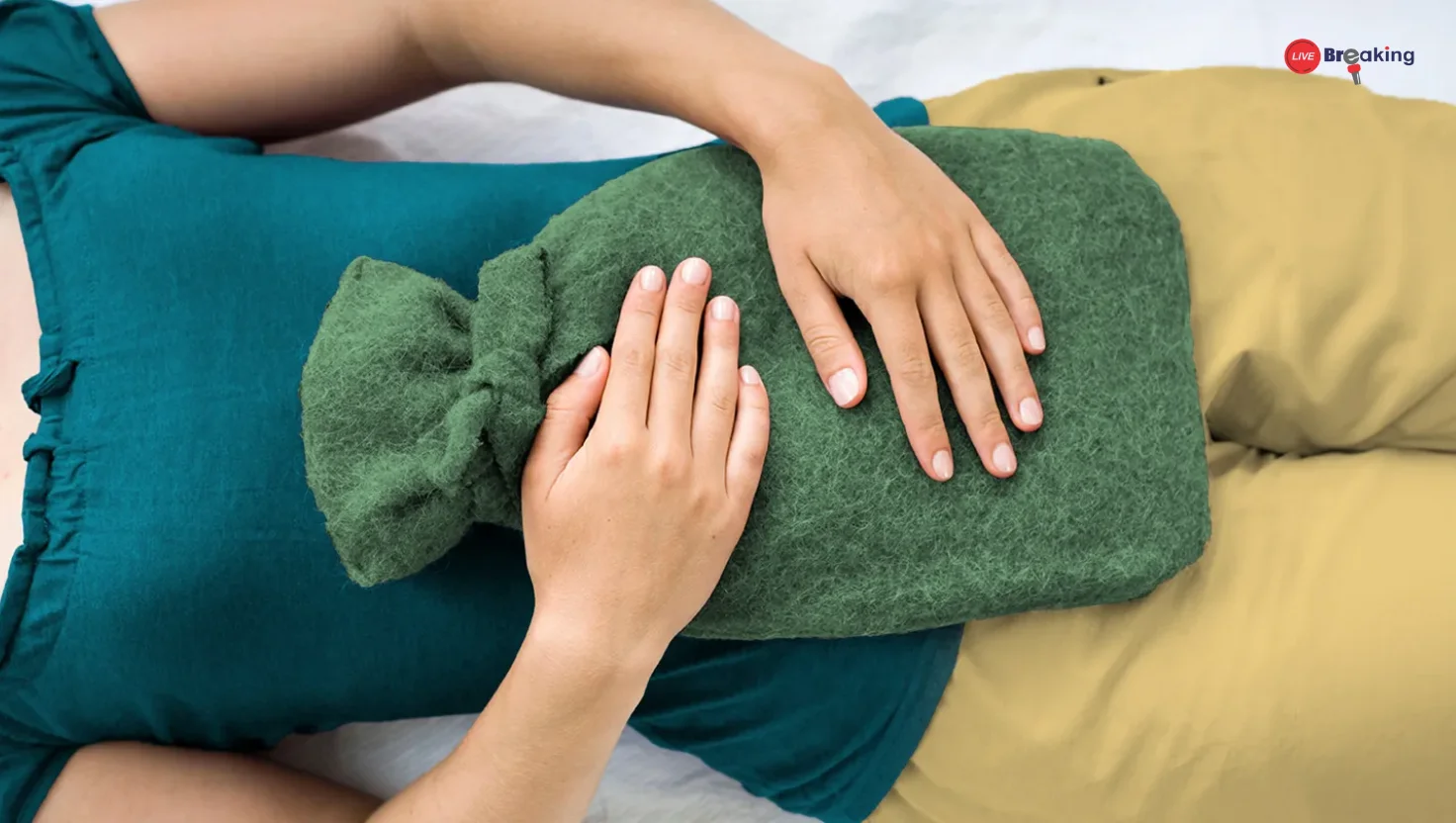
Applying a warm compress or hot water bottle to the abdomen helps relieve spasms and promotes blood flow, reducing pain naturally.
Gentle Yoga and Pranayama
Poses such as child’s pose, butterfly pose, and gentle spinal twists can ease pelvic tension. Deep breathing practices calm the nervous system and reduce pain perception.
Home Remedies Inspired by Ayurveda
-
Fenugreek Seeds: Soak fenugreek seeds overnight and drink the water in the morning to reduce cramps.
-
Cinnamon Tea: Helps regulate blood flow and reduce uterine spasms.
-
Warm Milk with Nutmeg: A traditional remedy to relax muscles and improve sleep during periods.
When to Follow Ayurvedic Remedies
Ayurveda works best when practiced consistently. While some remedies offer quick relief, long-term balance comes from regular lifestyle and dietary changes. If menstrual pain is severe, persistent, or accompanied by other symptoms, it’s advisable to consult an Ayurvedic practitioner or healthcare professional.
FAQs: Ayurvedic Remedies for Period Pain
Is Ayurveda safe for menstrual pain relief?
Yes, Ayurvedic remedies use natural herbs, diet, and lifestyle practices that are generally safe when used correctly and in moderation.
How long does Ayurveda take to show results?
Some remedies like ginger tea or heat therapy provide immediate relief, while hormonal balance and reduced pain may take a few cycles with consistent practice.
Read more: Understanding IVF Treatment, Costs and How to Choose the Right IVF Centre
Can I use Ayurvedic remedies along with allopathic medicine?
In most cases, yes. However, it’s best to consult a healthcare provider if you are on regular medication.
Which dosha imbalance causes severe period cramps?
Severe cramps are usually linked to aggravated Vata dosha, though Pitta imbalance can also cause burning pain and heavy bleeding.
Are Ayurvedic remedies suitable for teenagers?
Yes, gentle dietary changes, warm foods, and mild herbs are generally suitable, but strong herbal supplements should be guided by a professional.
Final Thoughts
Ayurveda offers a holistic and nurturing approach to managing menstrual pain. By aligning diet, lifestyle, and natural remedies with your body’s rhythms, you can experience gentler cycles and improved overall well-being. Instead of masking symptoms, these time-tested practices work to restore balance and comfort naturally.