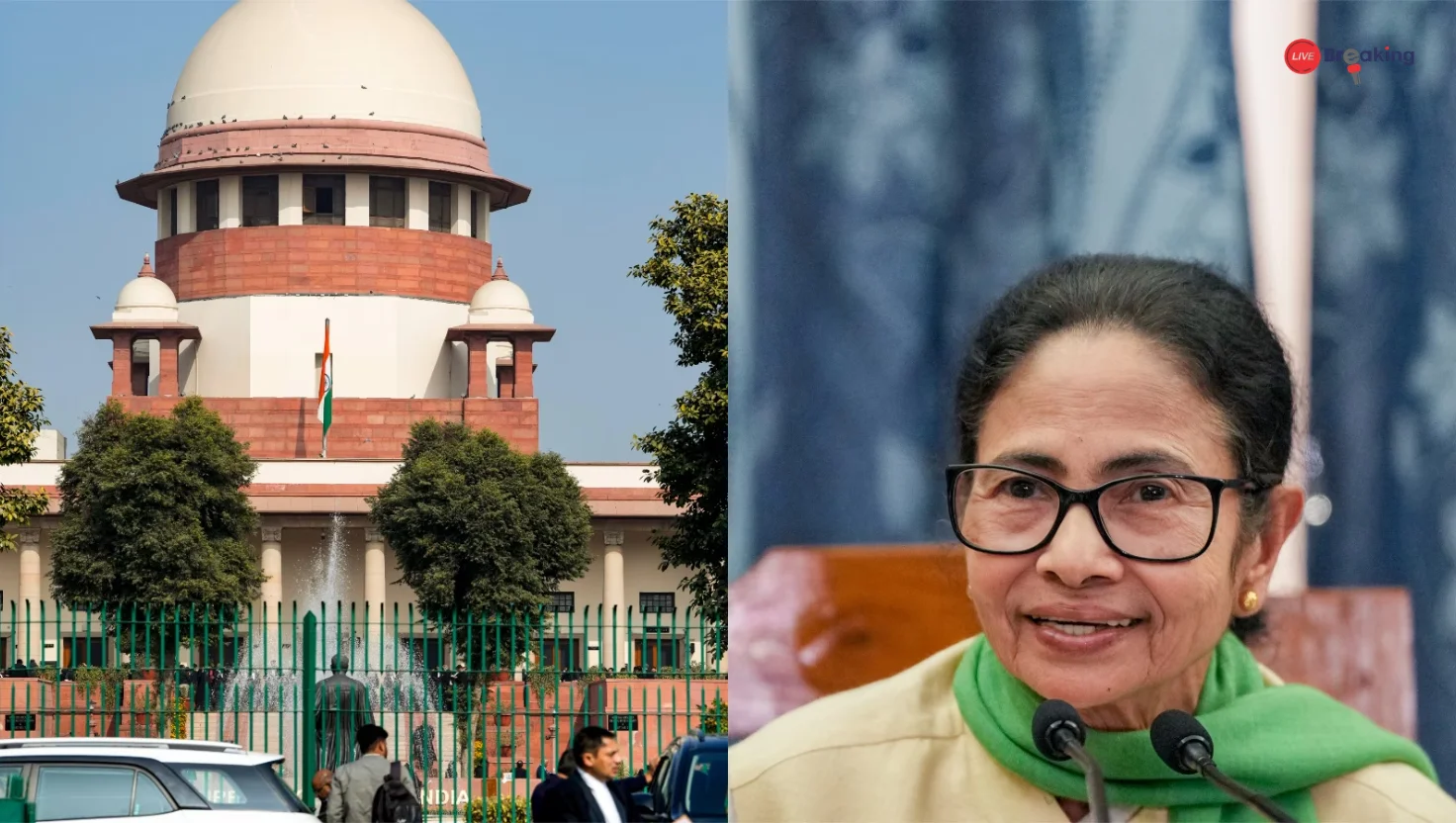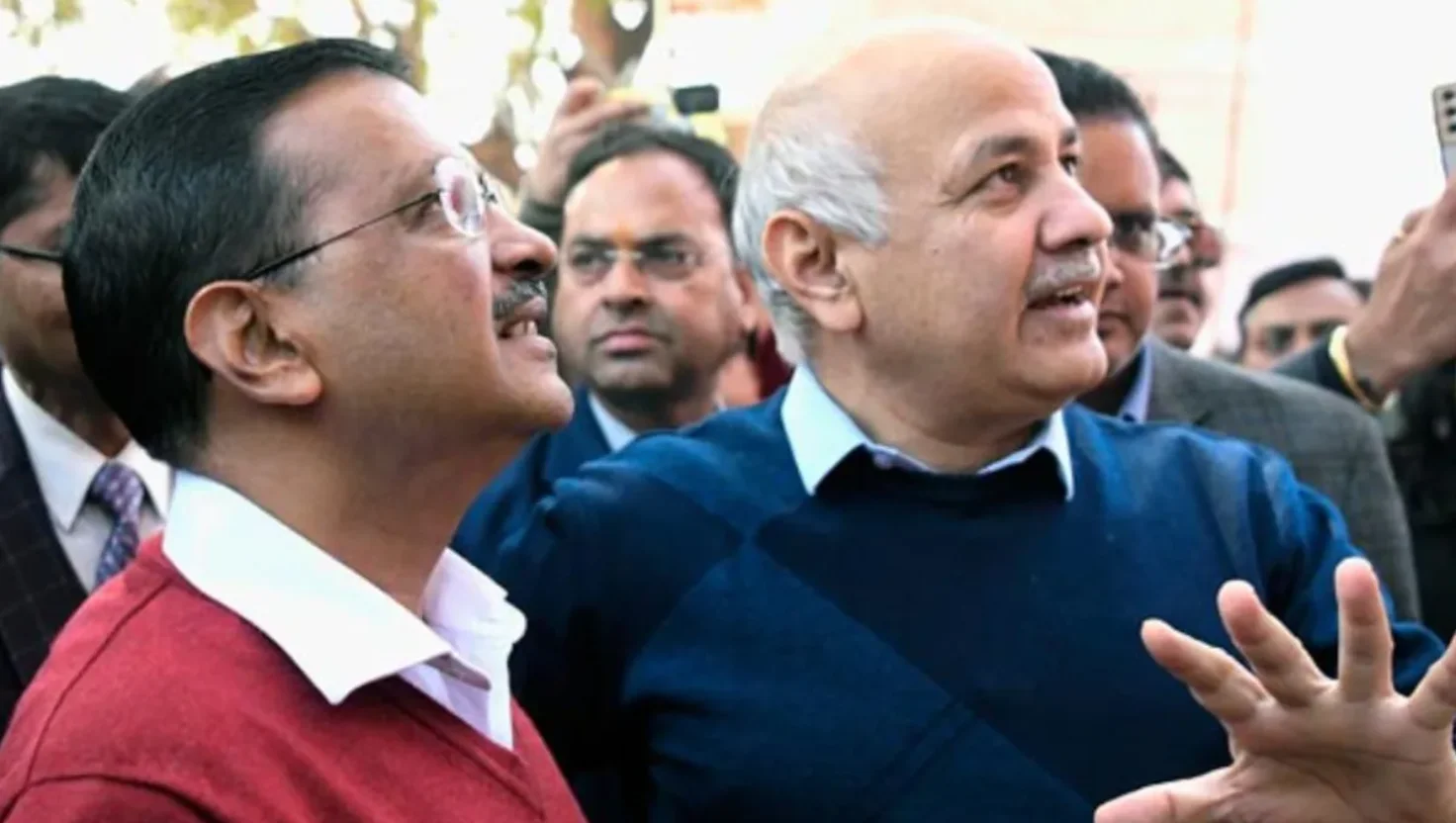
Arvind Kejriwal, Manish Sisodia Cleared in Delhi Liquor Policy Case; Court Criticises CBI
In a major political and legal development, Aam Aadmi Party (AAP) leaders Arvind Kejriwal and Manish Sisodia have been cleared of charges in the much-debated Delhi liquor policy case. The court not only granted relief to the senior leaders but also reportedly raised serious questions about the investigation conducted by the Central Bureau of Investigation (CBI).
The verdict marks a significant turning point in one of the most politically sensitive cases in recent years, which had triggered intense debates across the country and led to arrests, protests, and sharp exchanges between political parties.
Background: What Was the Delhi Liquor Policy Case?
The controversy revolves around the Delhi government’s now-scrapped excise policy, introduced in 2021. The policy aimed to reform the liquor trade in the national capital by:
-
Allowing private players to operate retail liquor stores
-
Reorganising licensing systems
-
Increasing revenue generation
-
Curbing illegal liquor sales
However, the policy soon came under scrutiny after allegations surfaced claiming irregularities in license allocation and undue benefits to certain private entities. Following complaints, the matter was investigated by the CBI and Enforcement Directorate (ED).
The Delhi government eventually withdrew the policy amid growing controversy.
Court’s Observations: Sharp Remarks Against the CBI
During the proceedings, the court reportedly made strong observations regarding the evidence presented by the CBI. It questioned whether the investigation had sufficiently established a direct link between the accused leaders and the alleged irregularities.
According to legal experts, the court emphasized:
-
Lack of concrete evidence
-
Insufficient proof of criminal intent
-
Failure to clearly establish financial wrongdoing
The ruling effectively cleared Arvind Kejriwal and Manish Sisodia of the charges at this stage, giving them substantial legal relief.
Timeline of Key Events
| Date | Event |
|---|---|
| 2021 | Delhi Government introduces new excise policy |
| 2022 | Allegations of irregularities surface |
| 2022 | CBI registers case and begins investigation |
| 2023 | Arrests and questioning of key AAP leaders |
| 2024 | Policy withdrawn amid political pressure |
| Latest | Court clears Kejriwal and Sisodia, questions CBI case |
Political Reactions Across the Spectrum
The verdict has triggered strong reactions from political parties.
AAP’s Stand
The Aam Aadmi Party termed the court’s decision as “a victory of truth.” Party leaders claimed the case was politically motivated and aimed at targeting opposition leaders ahead of key elections.
Supporters gathered outside party offices, celebrating the development and calling it vindication of their leadership.
BJP’s Response
The Bharatiya Janata Party (BJP), which had strongly criticised the Delhi government over the policy, maintained that investigations should continue wherever required. Party spokespersons emphasized that the legal process is ongoing and further proceedings may still unfold.
What This Means for Arvind Kejriwal and Manish Sisodia
For Delhi Chief Minister Arvind Kejriwal, the verdict strengthens his political position at a crucial time. The case had cast uncertainty over his administrative future and political credibility.
For former Deputy Chief Minister Manish Sisodia, who faced prolonged legal battles related to the policy, the relief is particularly significant. The case had severely impacted his political career and public image.
Read more: YouTuber In Hyderabad Sends Mother In Kuwait “I Love You” Text, Then Kills Self
The ruling may now reshape political narratives in Delhi and beyond.
Legal Implications: Is the Case Completely Over?
While the court’s decision is a major setback for the investigative agency, legal experts caution that the matter may not be entirely closed.
Possible next steps include:
-
Appeal by investigative agencies
-
Further hearings in higher courts
-
Parallel proceedings by other agencies
However, at present, the ruling represents a clear legal victory for the two leaders.
Impact on Delhi Politics
The liquor policy case had become a central issue in Delhi’s political discourse. Its fallout included:
-
Administrative instability
-
Policy reversals
-
Political protests
-
National-level debates on federal agency powers
With this verdict, the AAP may attempt to consolidate its voter base by framing the outcome as proof of political targeting.
At the same time, opposition parties are likely to keep raising questions about governance and accountability.
Public Perception and Governance Questions
Beyond legal and political dimensions, the case also sparked public debate about:
-
Transparency in policymaking
-
Role of investigative agencies
-
Relationship between state governments and central agencies
-
Regulatory oversight in revenue-generating sectors
The controversy highlighted how policy reforms, especially in sectors like liquor regulation, can quickly become politically charged.
Broader Context: Liquor Policies and Revenue Models
Excise revenue forms a significant part of state government income in India. Many states periodically revise their liquor policies to:
-
Increase revenue
-
Reduce black-market sales
-
Improve distribution transparency
However, reforms in this sector often face scrutiny due to the high financial stakes involved.
Read more: India Tariffs Cut to 10% as Donald Trump Faces US Supreme Court Setback
The Delhi liquor policy case has now become one of the most prominent examples of how regulatory changes can trigger legal and political consequences.
What Happens Next?
The coming weeks will be crucial in determining:
-
Whether investigative agencies challenge the ruling
-
Political narratives in upcoming elections
-
Administrative reforms in Delhi’s excise system
For now, the court’s decision marks a pivotal chapter in a high-profile case that dominated headlines for months.
FAQs
1. What was the Delhi liquor policy case about?
The case revolved around alleged irregularities in the Delhi government’s 2021 excise policy, which restructured liquor sales and licensing in the capital.
2. Why were Arvind Kejriwal and Manish Sisodia accused?
They were accused of involvement in alleged policy irregularities and financial misconduct linked to the implementation of the new excise framework.
Read more: PM Modi Congratulates BNP’s Tarique Rahman: “India Will Support Democratic, Inclusive Bangladesh”
3. What did the court say about the CBI investigation?
The court reportedly criticised the investigation, citing insufficient evidence and lack of clear proof linking the leaders to criminal wrongdoing.
4. Is the case completely closed now?
While the court has cleared the leaders at this stage, further legal proceedings or appeals could still take place.
5. What impact will this verdict have on Delhi politics?
The decision may strengthen AAP’s political position while reshaping public debate around governance and investigative accountability.