Shravan Fasting 2026: Try This Vrat-Friendly Makhana and Sprouts Chaat for a Healthy, Tasty Meal
Shravan Fasting 2026: Shravan, also known as Sawan, is considered one of the most auspicious months in the Hindu calendar. During this period, many devotees observe fasts or follow a satvik diet as part of their religious practices. With fasting days often involving a limited choice of ingredients, finding recipes that are both vrat-friendly and satisfying can sometimes be a challenge.
If you are looking for something different from the usual sabudana khichdi, fruits or potato-based fasting meals, makhana and sprouts chaat can be an interesting option, provided the ingredients used comply with your family’s fasting traditions.
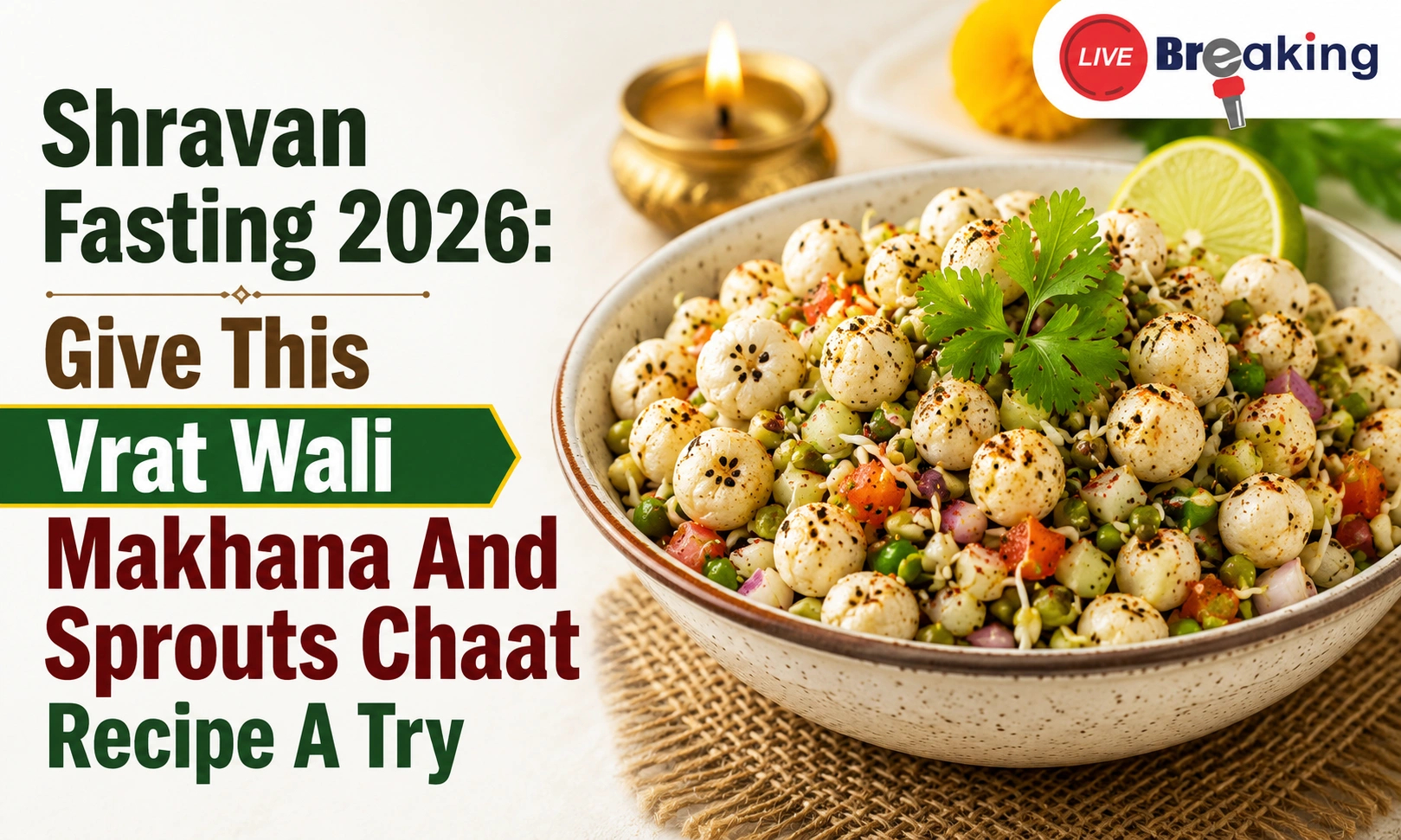
Makhana, also known as fox nuts or lotus seeds, gives the chaat a light and crunchy texture, while sprouts can add freshness and substance. With fasting-friendly spices, lemon and fresh ingredients, this simple preparation can work as a quick snack or a light meal during Shravan fasting.
Why Makhana Chaat Is a Good Choice During Shravan
Makhana has become a popular ingredient in Indian households, especially among people looking for lighter snack options. Roasted makhana has a naturally crunchy texture and can be seasoned in several ways.
For a vrat-friendly preparation, avoid regular grains and ingredients that are restricted during fasting. Depending on the fasting rules followed in your household, ingredients such as sendha namak, lemon, certain fruits, potatoes and permitted vegetables may be used.
The biggest advantage of a makhana-based chaat is that it does not require complicated cooking. You can roast the makhana, prepare the other ingredients separately and combine everything just before serving.
Makhana and Sprouts Chaat Recipe for Shravan Fasting
This recipe can be customised according to your fasting rules. Before preparing it, check which ingredients are permitted in your particular vrat tradition.
Ingredients
| Ingredient | Suggested Quantity | Purpose |
|---|---|---|
| Makhana (fox nuts) | 1–1.5 cups | Crunchy base |
| Sprouts permitted during your fast | ½–1 cup | Freshness and texture |
| Boiled potato | 1 medium | Adds substance |
| Cucumber | ½ cup, chopped | Freshness |
| Tomato | Optional, depending on vrat rules | Tangy flavour |
| Lemon juice | 1–2 teaspoons | Fresh, tangy taste |
| Sendha namak | As required | Fasting-friendly seasoning |
| Roasted cumin powder | ½ teaspoon | Aroma and flavour |
| Green coriander | 1–2 tablespoons | Garnish |
| Green chilli | Optional | Heat |
| Pomegranate seeds | 2–3 tablespoons | Sweet-tangy contrast |
Note: Fasting practices differ across families and regions. Ingredients such as sprouts, tomatoes, spices and certain vegetables may not be permitted in every type of vrat. Use only ingredients allowed under your fasting tradition.
How to Make Vrat-Friendly Makhana and Sprouts Chaat
Step 1: Roast the Makhana
Take the makhana in a dry pan and roast it over low to medium heat. Keep stirring so that the fox nuts roast evenly without burning.
Continue roasting until they become crisp. You can test one by pressing it lightly; properly roasted makhana should have a crunchy texture rather than a chewy centre.
Transfer the roasted makhana to a plate and allow it to cool.
Step 2: Prepare the Other Ingredients
If your fasting rules allow sprouts, keep them ready in a bowl. You can use properly cleaned and prepared sprouts according to your preference.
Dice the boiled potato and cucumber into small pieces. Add pomegranate seeds if they are part of your fasting diet.
Keep the pieces relatively small so that every spoonful contains a combination of textures.
Step 3: Add Fasting-Friendly Seasoning
Place the prepared ingredients in a large mixing bowl. Add sendha namak and roasted cumin powder.
Squeeze fresh lemon juice over the mixture. Add chopped coriander and green chilli if permitted.
Read More: Papaya vs Pineapple for Glowing Skin: Which Fruit Truly Works Better?
Avoid adding regular table salt if you are observing a strict vrat in which sendha namak is traditionally used.
Step 4: Add the Roasted Makhana Last
Add the roasted makhana just before serving. Mix everything gently.
Adding makhana at the end is important because it helps retain its crunch. If you add it too early and leave the chaat sitting for a long time, moisture from the other ingredients can make it softer.
Serve immediately for the best texture.
What Makes This Chaat Different From Regular Fasting Snacks?
Traditional fasting menus often include dishes made with potatoes, sabudana, kuttu, singhara flour, fruits and dairy products. While these foods can be delicious, eating the same preparations repeatedly may make the fasting menu feel monotonous.
A makhana and sprouts chaat offers a different combination of crunch, freshness, tanginess and mild spice.
Makhana provides the crispy element, cucumber can add freshness, pomegranate brings a burst of sweetness, while lemon and cumin create the familiar chaat-style flavour.
The result is a preparation that feels more like a snack or salad than a conventional fasting meal.
Healthier Ways to Prepare Makhana Chaat During Vrat
The way you prepare a fasting recipe can make a significant difference to the overall meal.
Instead of deep-frying the ingredients, roast makhana in a pan. If you prefer, a small amount of ghee can be used for roasting, provided it suits your dietary preference and fasting rules.
Fresh ingredients can also help make the chaat more appealing without relying heavily on rich sauces or packaged seasonings.
Avoid ready-made chutneys unless you have checked their ingredients. Some commercially prepared sauces and spice mixes may contain ingredients that are not suitable for vrat.
Keep the Chaat Fresh
One of the easiest ways to improve this recipe is to prepare the components separately.
Roast the makhana and store it in an airtight container until needed. Keep chopped ingredients refrigerated and combine them only when you are ready to eat.
This keeps the makhana crisp and prevents the chaat from becoming watery.
Can You Add Other Ingredients?
Yes, but the answer depends on the type of fast you are observing.
For example, some people may include fruits, potatoes, cucumber, peanuts, coconut or dairy products during vrat, while others follow stricter dietary restrictions.
If peanuts are allowed, roasted peanuts can add another crunchy element. Pomegranate seeds can provide colour and a naturally sweet flavour. Fresh coconut can also be considered where permitted.
Read More: Caffeine In Evening May Affect Quality Of Night-Time Sleep, Study Finds
The key is not to assume that every commonly used fasting ingredient is acceptable for every vrat. Shravan fasting customs can vary considerably between regions, families and religious traditions.
Makhana and Sprouts Chaat: A Quick Comparison
| Feature | Makhana & Sprouts Chaat | Traditional Heavy Fasting Snack |
| Preparation | Quick | Often requires more cooking |
| Texture | Crunchy and fresh | Can be soft or fried |
| Oil requirement | Can be minimal | May be higher |
| Customisation | Easy | Depends on recipe |
| Best served | Immediately | Often served hot |
| Suitable for vrat | Depends on ingredients | Depends on ingredients |
Important Things to Remember While Fasting
Following a vrat is not simply about finding foods labelled as “fasting recipes.” Different communities have different rules about what can and cannot be eaten.
Before preparing this chaat, verify the ingredients permitted under your family’s Shravan fasting practice.
It is also important to stay adequately hydrated when fasting, especially during hot and humid weather. Water, permitted beverages and naturally hydrating foods can help, depending on the rules of your fast.
If you have a medical condition, take medication, are pregnant, elderly, or have specific dietary requirements, consult an appropriate healthcare professional before making significant changes to your eating pattern during fasting.
Frequently Asked Questions
1. What is makhana and sprouts chaat?
Makhana and sprouts chaat is a crunchy snack made by combining roasted fox nuts with sprouts and fresh ingredients such as cucumber, potato and pomegranate. For vrat, the recipe should be prepared only with ingredients permitted under the specific fasting tradition being followed.
2. Can we eat makhana during Shravan fasting?
Makhana is commonly included in many Indian fasting diets, but fasting rules vary. If makhana is permitted under your Shravan vrat tradition, roasted fox nuts can be used to prepare a light chaat or snack.
Read More: World Lung Cancer Day 2026: Raising Awareness for Early Detection and Better Lung Health
3. Is sprouts chaat allowed during vrat?
It depends on the fasting tradition. Some people may consume certain sprouts, while others avoid them during vrat. Check the specific dietary rules followed by your family or religious tradition before including sprouts.
4. How can I keep makhana chaat crispy?
Add roasted makhana only immediately before serving. Ingredients such as cucumber, lemon juice and other moist ingredients can soften makhana if the chaat is prepared too far in advance.
5. What salt should be used during fasting?
Many fasting traditions use sendha namak, also known as rock salt, instead of regular table salt. However, practices differ, so follow the rules applicable to your particular vrat.
6. Can makhana chaat be eaten as a meal during Shravan?
It can serve as a light snack or meal depending on the portion and ingredients used. If you are fasting, make sure the complete recipe contains ingredients allowed under your fasting rules and that your overall diet provides adequate nourishment.
7. What can I add to fasting chaat for extra flavour?
Depending on your vrat rules, lemon juice, roasted cumin powder, sendha namak, coriander, pomegranate and permitted fruits or vegetables can add flavour without requiring heavy sauces.
Read More: “The ‘Chai-Biscuit’ Bloat: Why Your Evening Routine Is Destroying Your Gut Barrier During The Rains
Final Takeaway
Shravan fasting does not necessarily mean that every meal has to be repetitive. A simple vrat-friendly makhana and sprouts chaat can bring together crunch, freshness and tangy flavours in one easy preparation.
The recipe is particularly convenient because the makhana can be roasted in advance, while the remaining ingredients can be prepared just before serving. This makes it suitable for people who want a quick fasting snack without spending too much time in the kitchen.
However, the most important point is to adapt the recipe to your own fasting customs. Since vrat food rules vary across households and regions, always check every ingredient before preparing the dish.
For the original reference and trending Shravan recipe context, see the News18 article provided in the brief.
Like this post?