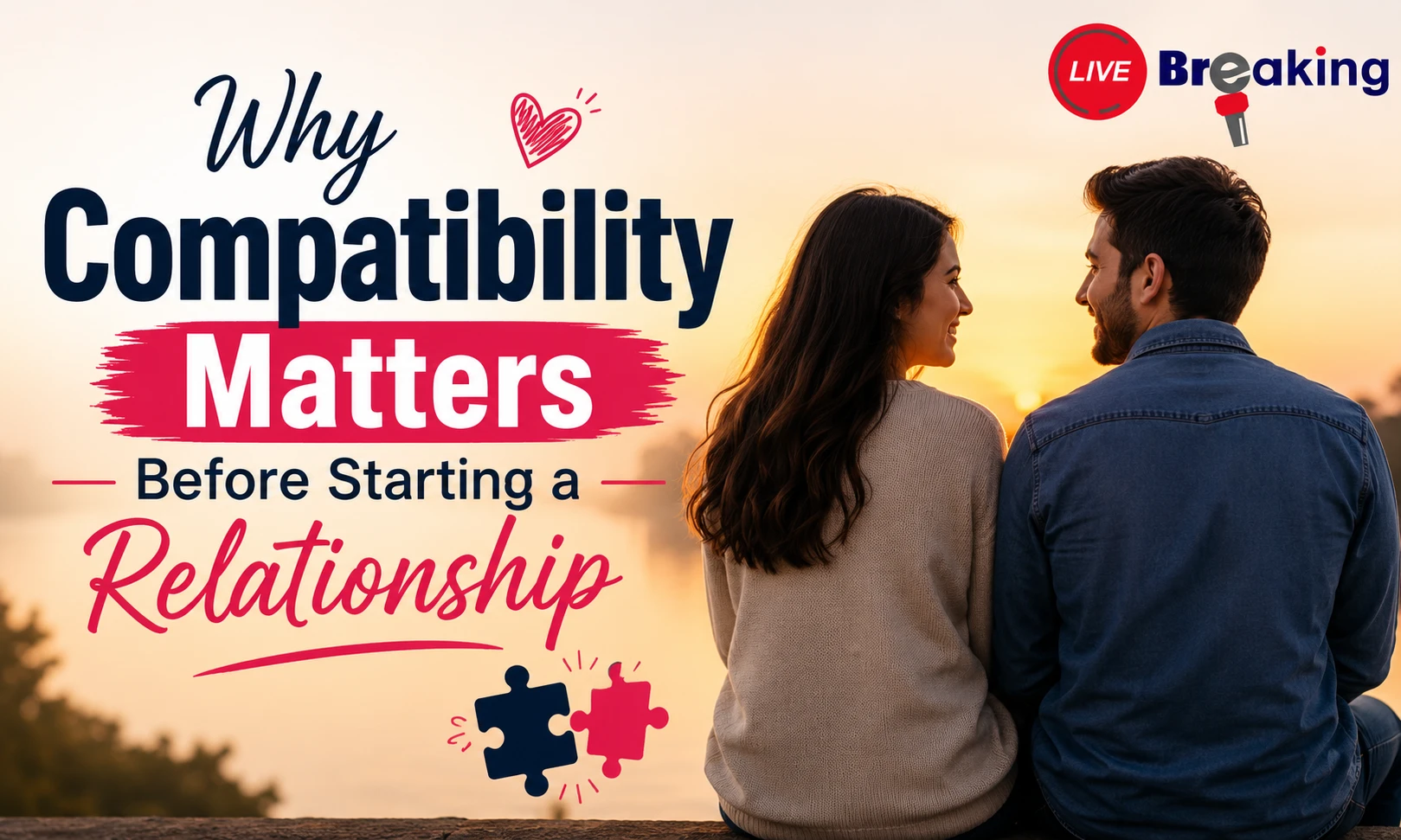
Why Compatibility Matters Before Starting a Relationship: Signs, Benefits & Tips for Lasting Love
Love may be the spark that brings two people together, but compatibility is what keeps the relationship alive. While physical attraction and chemistry often play a major role during the initial stages of dating, long-term happiness depends on much deeper factors. Shared values, mutual respect, communication styles, emotional maturity, and life goals all contribute to whether two people can build a healthy and lasting relationship.
Many couples enter relationships based solely on emotions or attraction, only to discover later that they have completely different expectations from life. This is why understanding compatibility before committing to a relationship has become increasingly important in today’s fast-paced world.
Compatibility doesn’t mean being exactly the same. Instead, it means understanding each other’s differences, respecting boundaries, and working together toward common goals.
What Does Compatibility Really Mean?
Compatibility is the ability of two individuals to coexist harmoniously despite having different personalities, habits, and perspectives. It reflects how well partners understand, support, and complement one another.
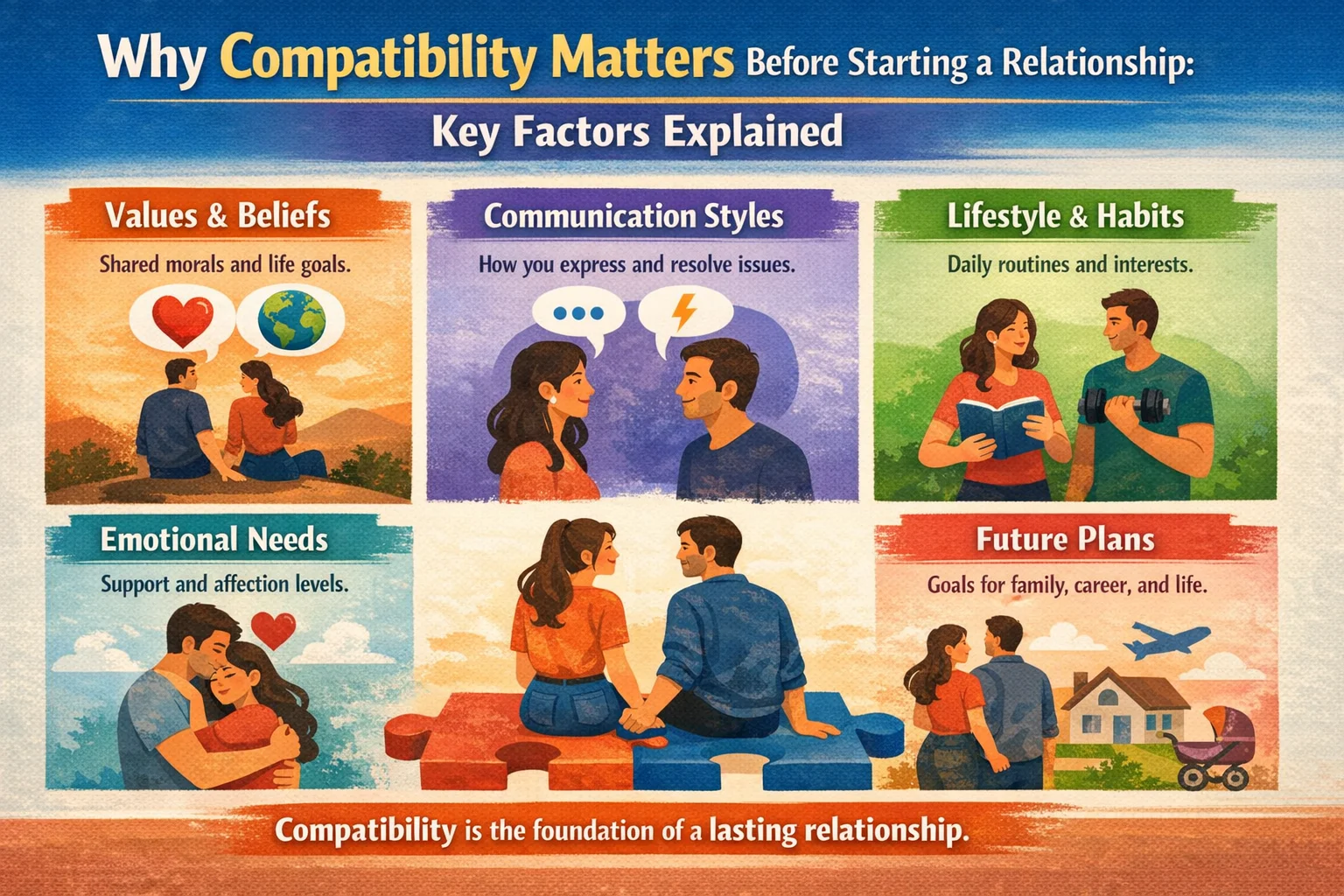
True compatibility involves several important aspects:
- Emotional understanding
- Communication style
- Personal values
- Lifestyle preferences
- Financial mindset
- Career ambitions
- Family expectations
- Conflict resolution skills
- Trust and honesty
When these areas align or can be managed respectfully, relationships become healthier and more stable.
Why Compatibility Is More Important Than Attraction
Attraction often fades with time, but compatibility continues to strengthen relationships.
Physical beauty or instant chemistry may create excitement, but everyday life requires patience, communication, understanding, and teamwork.
Couples who prioritize compatibility generally experience:
- Fewer misunderstandings
- Better communication
- Strong emotional security
- Greater mutual respect
- Increased relationship satisfaction
- Better conflict management
Love without compatibility can lead to frequent arguments, emotional exhaustion, and unmet expectations.
Types of Compatibility Every Couple Should Consider
1. Emotional Compatibility
Emotional compatibility refers to how partners express emotions, provide support, and understand each other’s feelings.
Emotionally compatible couples:
- Feel safe sharing vulnerabilities
- Respect each other’s emotions
- Offer comfort during difficult times
- Avoid unnecessary judgment
2. Communication Compatibility
Healthy communication forms the backbone of every successful relationship.
Partners should feel comfortable discussing:
- Personal concerns
- Future plans
- Financial matters
- Family issues
- Expectations
- Boundaries
Open conversations prevent misunderstandings before they become major problems.
3. Value Compatibility
Values influence daily decisions and long-term life choices.
Important shared values may include:
- Honesty
- Loyalty
- Respect
- Family priorities
- Religious beliefs
- Social responsibilities
Different values don’t always end relationships, but major conflicts in core beliefs often create lasting challenges.
4. Lifestyle Compatibility
Lifestyle includes daily habits, routines, and personal preferences.
Questions worth considering include:
- Do both enjoy traveling?
- Are spending habits similar?
- How important is fitness?
- Do they prefer city life or peaceful surroundings?
- How do they spend weekends?
Lifestyle compatibility makes everyday life smoother.
5. Financial Compatibility
Money is one of the most common causes of relationship conflicts.
Partners should discuss:
- Saving habits
- Spending priorities
- Investments
- Career ambitions
- Financial responsibilities
Transparency about finances builds trust.
6. Future Goals Compatibility
Partners should discuss long-term expectations before making serious commitments.
Examples include:
- Marriage plans
- Children
- Career priorities
- Relocation
- Home ownership
- Retirement dreams
Shared goals reduce uncertainty and strengthen commitment.
Signs You Are Compatible With Your Partner
Some common indicators include:
- You enjoy spending time together without constant entertainment.
- Conversations flow naturally.
- You respect each other’s individuality.
- Both partners support personal growth.
- Arguments are resolved respectfully.
- Trust comes naturally.
- Future plans align comfortably.
- You feel emotionally secure.
- Differences are discussed instead of ignored.
- Both partners feel valued.
Compatibility creates emotional peace rather than constant anxiety.
Red Flags That Suggest Compatibility Issues
Not every disagreement indicates incompatibility, but recurring patterns deserve attention.
Watch for:
- Constant misunderstandings
- Different life priorities
- Lack of trust
- Poor communication
- Emotional manipulation
- Frequent criticism
- Financial secrecy
- Different views on commitment
- No willingness to compromise
Ignoring these signs early may lead to larger relationship problems later.
Can Opposites Really Attract?
The saying “opposites attract” is partly true.
People with different personalities can enjoy exciting relationships because they bring unique strengths.
For example:
- One partner may be outgoing while the other is calm.
- One may enjoy adventure while the other offers stability.
However, successful opposite personalities still require compatible values, trust, and communication.
Being different isn’t the problem—being unwilling to understand each other is.
How to Check Compatibility Before Starting a Relationship
Rather than rushing into commitment, take time to understand each other.
Some healthy ways include:
Have Honest Conversations
Discuss expectations regarding marriage, careers, finances, and family.
Spend Time Together
Observe how each person behaves in different situations.
Meet Friends and Family
Understanding someone’s social circle often reveals their personality.
Handle Small Conflicts
Notice how disagreements are managed.
Respect Personal Boundaries
Healthy relationships never pressure partners into uncomfortable situations.
Don’t Ignore Red Flags
Excitement shouldn’t overshadow important warning signs.
Compatibility Can Grow With Time
Many people assume compatibility must exist instantly.
In reality, compatibility often develops through:
- Mutual respect
- Honest communication
- Patience
- Shared experiences
- Emotional maturity
- Willingness to compromise
Healthy couples continuously learn about each other instead of expecting perfection from day one.
Benefits of Prioritizing Compatibility
When compatibility comes first, couples often enjoy:
Read More: What Is Divorce Dust? The Viral Glitter Trend Women Are Using to Catch Cheaters
- Stronger emotional connection
- Better mental well-being
- Healthy communication
- Increased trust
- Less unnecessary conflict
- Higher relationship satisfaction
- Greater long-term commitment
- Shared personal growth
- Better teamwork during challenges
Compatibility doesn’t eliminate disagreements, but it helps couples solve them together.
Compatibility Checklist
| Compatibility Area | Why It Matters | Questions to Ask |
|---|---|---|
| Emotional | Builds trust and security | Can we openly express feelings? |
| Communication | Prevents misunderstandings | Can we discuss difficult topics calmly? |
| Values | Shapes life decisions | Do our core beliefs align? |
| Lifestyle | Reduces daily conflicts | Are our routines compatible? |
| Financial | Avoids money disputes | Do we manage money similarly? |
| Family Goals | Supports future planning | Do we want similar family lives? |
| Career | Encourages mutual support | Can we support each other’s ambitions? |
| Conflict Resolution | Maintains relationship health | How do we solve disagreements? |
Conclusion
While love often begins with attraction, lasting relationships are built on compatibility. Understanding each other’s values, communication styles, emotional needs, financial habits, and future goals creates a strong foundation that can withstand life’s challenges.
Read More: Why Rage-Baiting Is the Toxic Love Language You Need to Avoid
No relationship is perfect, and compatibility doesn’t require two people to be identical. Instead, it requires mutual respect, trust, understanding, and a willingness to grow together. Before committing to a serious relationship, taking the time to evaluate compatibility can save emotional heartache and pave the way for a healthier, happier future together.
Choosing compatibility isn’t about finding a perfect partner—it’s about finding someone whose imperfections complement your own and with whom you can build a meaningful life.
Frequently Asked Questions (FAQs)
Q1. What is compatibility in a relationship?
Compatibility refers to how well two people connect emotionally, mentally, socially, and practically while respecting each other’s differences.
Q2. Why is compatibility more important than attraction?
Attraction may fade over time, but compatibility helps couples communicate effectively, solve conflicts, and build lasting trust.
Read more: Dating Red Flags You Shouldn’t Ignore, Warning Signs in Modern Relationships
Q3. Can two people with different personalities be compatible?
Yes. Different personalities can complement each other if both partners share mutual respect, communication, and similar core values.
Q4. How can I know if I’m compatible with someone?
Observe your communication, emotional connection, shared values, lifestyle preferences, and long-term goals before making serious commitments.
Q5. Can compatibility improve over time?
Absolutely. Compatibility often grows through honest communication, patience, shared experiences, and mutual understanding.
Q6. What are the biggest signs of incompatibility?
Constant conflicts, lack of trust, poor communication, opposing life goals, financial disagreements, and unwillingness to compromise are common signs.