Caffeine in the Evening May Disrupt Sleep Quality, New Study Reveals
For millions of people worldwide, a cup of coffee, tea, or an energy drink in the evening is a routine part of daily life. Whether it’s to stay productive, complete late-night work, or simply enjoy a relaxing beverage, caffeine remains one of the most widely consumed stimulants. However, a recent study has raised concerns about how evening caffeine consumption may affect the quality of sleep, even when people believe they are sleeping normally.
Researchers found that caffeine consumed later in the day may alter brain activity during sleep, reducing the restorative benefits that the body and mind typically receive during the night. The findings add to growing evidence that the timing of caffeine intake may be just as important as the amount consumed.
Understanding How Caffeine Works
Caffeine is a natural stimulant found in coffee, tea, chocolate, energy drinks, and certain medications. It works primarily by blocking adenosine, a chemical in the brain that promotes sleepiness.
Normally, adenosine levels increase throughout the day, making a person feel tired as bedtime approaches. By blocking adenosine receptors, caffeine helps people feel more alert and awake. While this effect can improve concentration and reduce fatigue, it can also interfere with the body’s natural sleep processes.
The stimulating effects of caffeine can last for several hours. Depending on age, metabolism, and individual sensitivity, caffeine may remain active in the body long after consumption.
What the Study Found
Researchers examined how caffeine consumed in the evening influences brain activity during sleep. Participants who consumed caffeine before bedtime showed noticeable differences in sleep-related brain patterns compared to those who did not consume caffeine.
Interestingly, many participants did not report major difficulties falling asleep. However, advanced monitoring revealed that caffeine altered the quality of their sleep, particularly during deeper restorative stages.
The study suggests that caffeine keeps the brain in a more active state during sleep, making it harder for the body to fully recover overnight.
Key Findings at a Glance
| Aspect Studied | Findings |
|---|---|
| Sleep Onset | Many participants fell asleep normally |
| Brain Activity | Increased activity during sleep |
| Deep Sleep Quality | Reduced restorative sleep patterns |
| Recovery Process | Potentially less effective overnight recovery |
| Next-Day Effects | Possible impact on alertness and cognitive function |
Why Sleep Quality Matters More Than Sleep Duration
Many people assume that getting seven to eight hours of sleep is enough to stay healthy. However, sleep experts emphasize that quality is equally important.
During deep sleep stages, the brain performs essential maintenance tasks, including:
- Memory consolidation
- Learning and information processing
- Hormonal regulation
- Cellular repair
- Immune system support
When sleep quality declines, these processes may not function optimally, even if a person spends enough time in bed.
This means someone may sleep for eight hours yet still wake up feeling tired, unfocused, or mentally drained.
The Link Between Caffeine and Brain Activity
The study found that caffeine may increase what scientists call “criticality” in brain activity during sleep. In simple terms, the brain remains closer to a wakeful state rather than fully transitioning into deep restorative sleep.
This heightened activity can interfere with the brain’s ability to disconnect from daytime stimulation.
Researchers believe that younger adults may experience stronger effects because they generally have a greater number of adenosine receptors, making them more sensitive to caffeine’s action.
How Long Does Caffeine Stay in the Body?
One reason caffeine can affect sleep is its relatively long half-life.
Read More: Rice Water vs. Rosemary Oil: Which Viral Growth Remedy Wins?
The average half-life of caffeine is approximately 4 to 6 hours, but this can vary widely. Factors influencing caffeine metabolism include:
- Age
- Genetics
- Pregnancy
- Liver function
- Smoking status
- Medication use
For example, if a person consumes 200 mg of caffeine at 6 PM, a significant portion may still be circulating in the bloodstream close to midnight.
Common Sources of Caffeine
| Beverage/Food | Approximate Caffeine Content |
| Brewed Coffee (240 ml) | 80–120 mg |
| Espresso Shot | 60–80 mg |
| Black Tea | 40–70 mg |
| Green Tea | 20–45 mg |
| Energy Drink | 80–200 mg |
| Cola Drink | 30–50 mg |
| Dark Chocolate | 20–40 mg |
Potential Health Consequences of Poor Sleep Quality
Persistent sleep disruption can affect both physical and mental well-being.
Short-Term Effects
- Daytime fatigue
- Reduced concentration
- Memory problems
- Mood changes
- Lower productivity
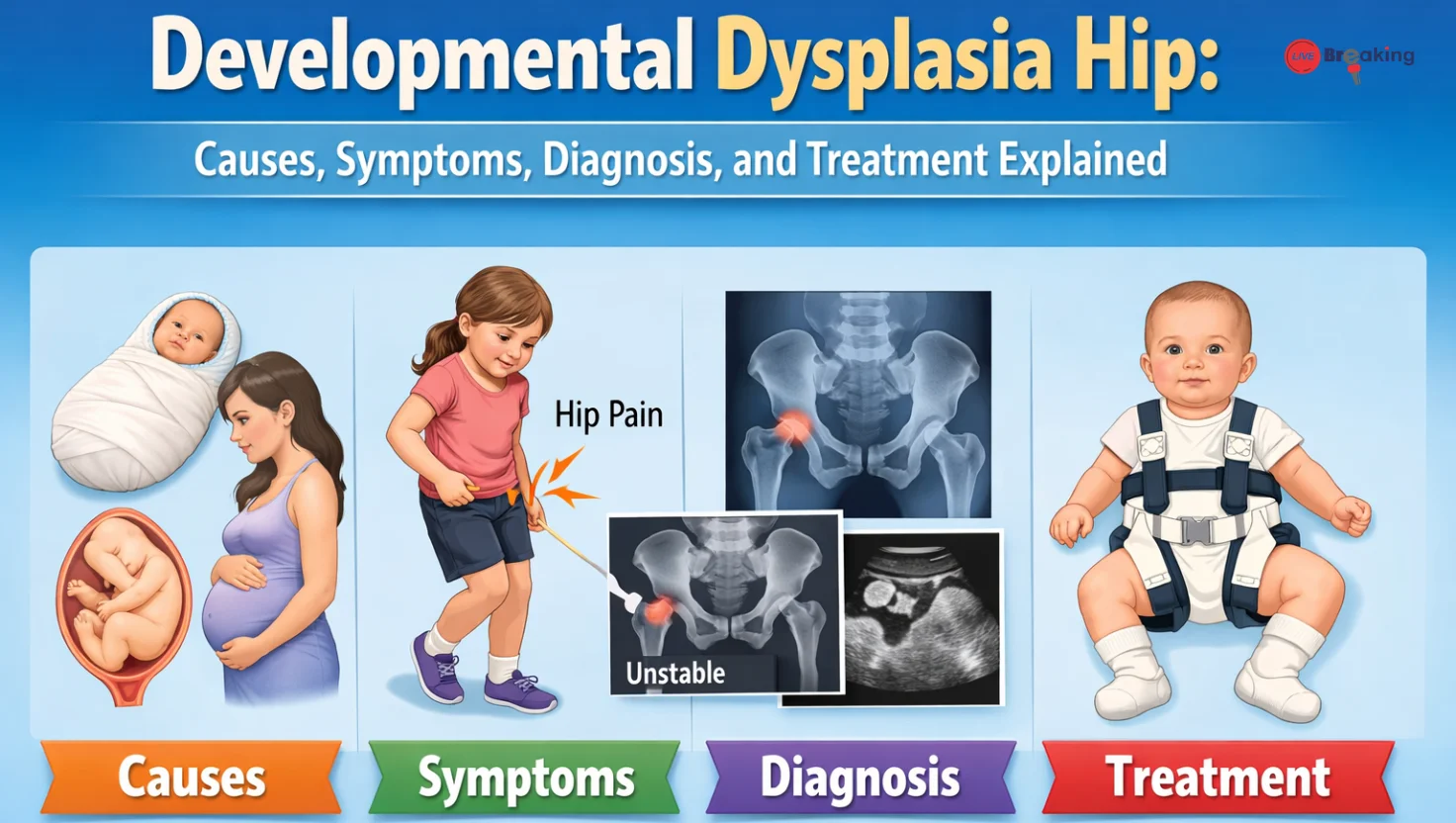
Read More: Developmental Dysplasia Hip: Causes, Symptoms, Diagnosis, and Treatment Explained
Long-Term Effects
- Increased stress levels
- Higher risk of cardiovascular disease
- Metabolic disturbances
- Weakened immune function
- Greater risk of anxiety and depression
Although occasional evening caffeine consumption may not cause significant problems, regular intake close to bedtime could contribute to chronic sleep disturbances.
Tips to Reduce the Impact of Caffeine on Sleep
People do not necessarily need to eliminate caffeine completely. Instead, experts recommend adjusting consumption habits.
1. Avoid Caffeine Late in the Day
Try limiting caffeine intake at least six to eight hours before bedtime.
2. Monitor Hidden Sources
Many foods, supplements, and medications contain caffeine that people may overlook.
Read More: Papaya vs Pineapple for Glowing Skin: Which Fruit Truly Works Better?
3. Choose Decaffeinated Alternatives
Switching to herbal tea or decaffeinated coffee in the evening can help reduce sleep disruption.
4. Track Your Sleep Patterns
Keeping a sleep journal may help identify whether caffeine is affecting your sleep quality.
5. Maintain Good Sleep Hygiene
Establishing a consistent bedtime routine, limiting screen exposure, and creating a comfortable sleep environment can support healthier sleep.
What This Means for Daily Coffee Drinkers
The latest findings do not suggest that coffee or caffeine is harmful when consumed responsibly. In fact, moderate caffeine consumption has been linked to several health benefits, including improved alertness and cognitive performance.
However, the study highlights an important consideration: the timing of caffeine intake matters.
People who regularly consume coffee, tea, or energy drinks in the evening may unknowingly reduce the restorative quality of their sleep. Even when sleep duration appears normal, underlying changes in brain activity could impact overall recovery and next-day performance.
Conclusion
The new research provides valuable insight into how evening caffeine consumption may affect the brain during sleep. While many individuals may still fall asleep without difficulty, caffeine appears to alter critical sleep processes that help the body recover and recharge.
As awareness grows about the importance of sleep quality, experts recommend paying closer attention not only to how much caffeine is consumed, but also when it is consumed. Small adjustments to evening habits may lead to more restful sleep, better recovery, and improved overall health.
Frequently Asked Questions (FAQs)
1. Can caffeine affect sleep even if I fall asleep easily?
Yes. Research suggests caffeine can alter brain activity during sleep and reduce sleep quality, even when a person falls asleep without difficulty.
2. How many hours before bed should I stop drinking coffee?
Most sleep experts recommend avoiding caffeine at least 6–8 hours before bedtime.
3. Does tea affect sleep like coffee?
Yes. Tea contains caffeine, although usually in smaller amounts than coffee. Drinking caffeinated tea late in the evening may still impact sleep quality.
Read More: World Lung Cancer Day 2026: Raising Awareness for Early Detection and Better Lung Health
4. Are some people more sensitive to caffeine than others?
Yes. Genetics, age, health conditions, and medication use can influence how caffeine affects an individual.
5. Is decaffeinated coffee completely caffeine-free?
Not entirely. Decaffeinated coffee contains very small amounts of caffeine but significantly less than regular coffee.
6. What are signs that caffeine is affecting my sleep?
Common signs include difficulty staying asleep, waking up tired, reduced concentration, and feeling unrested despite adequate sleep duration.
Like this post?