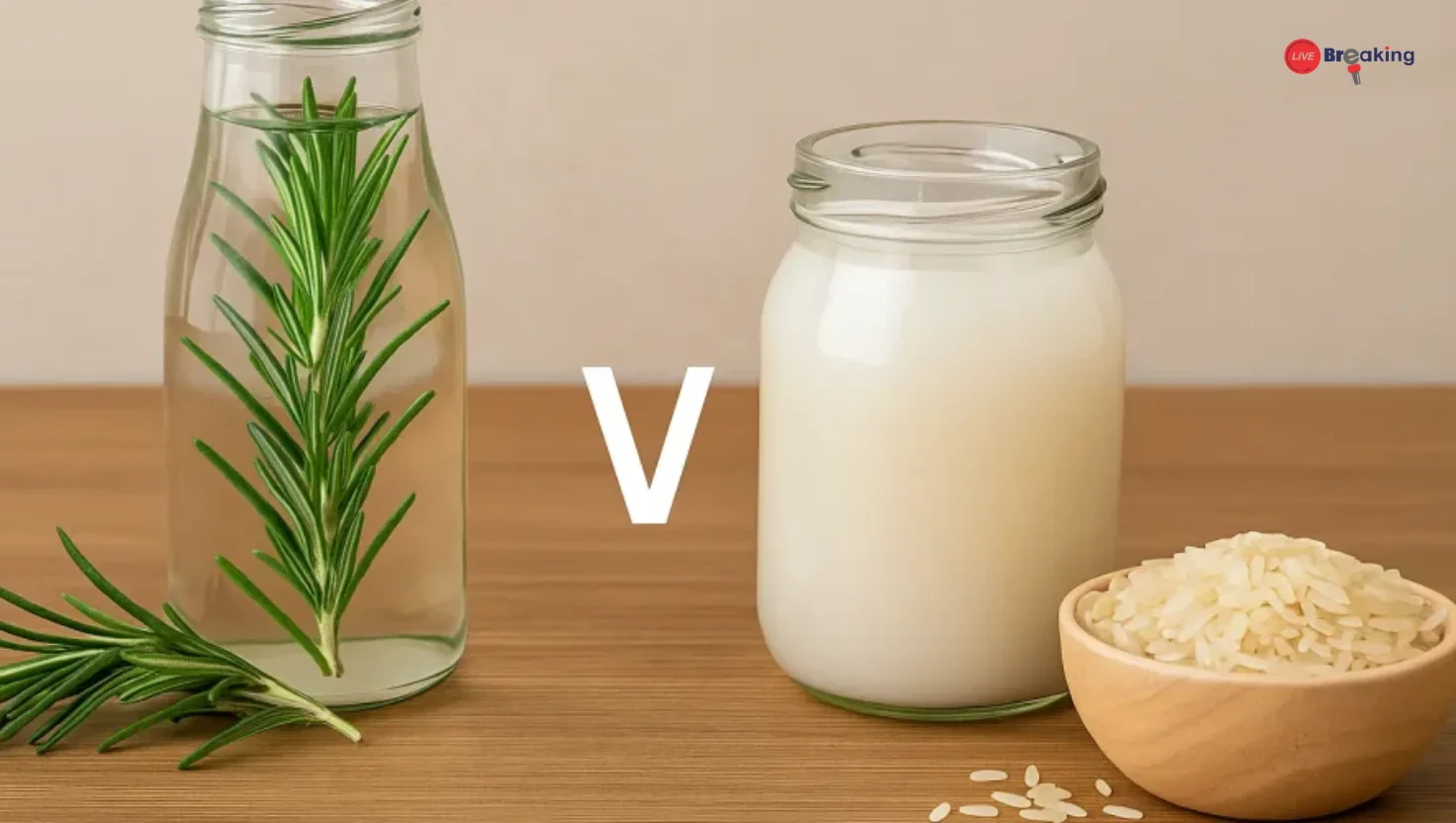
Rice Water vs. Rosemary Oil: Which Viral Hair Growth Remedy Works Best?
Rice Water vs. Rosemary Oil: Natural hair care remedies are making a massive comeback, and two viral favorites are leading the conversation — rice water and rosemary oil. From TikTok tutorials to beauty blogs, both are praised for promoting hair growth, reducing hair fall, and improving scalp health. But which one truly delivers better results?
Let’s break down the science, benefits, and practical differences between these two trending hair growth remedies.
The Rise of Natural Hair Growth Remedies
In recent years, more people have shifted toward chemical-free, DIY hair treatments. The growing awareness of scalp health, combined with social media trends, has fueled interest in traditional remedies.
Rice water, an ancient Asian beauty secret, and rosemary oil, a herbal extract long used in aromatherapy, have both gained viral attention. While they serve similar purposes, they work differently.
What Is Rice Water?
Rice water is the starchy liquid left after soaking or boiling rice. Historically used in East Asia, particularly by women in Japan’s Heian period, rice water is rich in:
-
Amino acids
-
Vitamins B and E
-
Antioxidants
-
Inositol (a carbohydrate that may help strengthen hair)
Benefits of Rice Water
-
Strengthens Hair Strands – The protein content may help reduce breakage.
-
Adds Shine – Smooths the cuticle layer of hair.
-
Improves Elasticity – Makes hair less prone to damage.
-
Scalp Nourishment – Mildly soothing when used regularly.
Limitations of Rice Water
-
Results vary depending on hair type.
-
Protein overload can cause stiffness in some individuals.
-
Fermented rice water may irritate sensitive scalps.
Rice water works more like a strengthening treatment rather than a direct hair growth stimulator.
What Is Rosemary Oil?
Rosemary oil is extracted from the rosemary plant (Rosmarinus officinalis). Traditionally used for improving circulation and relieving inflammation, it has recently gained attention for supporting hair growth.
Benefits of Rosemary Oil
-
Stimulates Hair Follicles – May improve blood circulation to the scalp.
-
Reduces Hair Thinning – Studies suggest it may be comparable to certain hair growth treatments.
-
Fights Dandruff – Has anti-inflammatory and antimicrobial properties.
-
Balances Scalp Oil Production – Suitable for both oily and dry scalps.
Limitations of Rosemary Oil
-
Must be diluted with a carrier oil.
-
Can cause irritation if used directly.
-
Requires consistent use for visible results.
Unlike rice water, rosemary oil directly targets hair growth mechanisms by stimulating the scalp.
Rice Water vs. Rosemary Oil: Key Differences
| Feature | Rice Water | Rosemary Oil |
|---|---|---|
| Primary Benefit | Strength & shine | Hair growth stimulation |
| Best For | Damaged, brittle hair | Thinning hair, hair fall |
| Application | Rinse treatment | Scalp massage oil |
| Risk | Protein buildup | Scalp sensitivity if undiluted |
| Frequency | 1–2 times weekly | 2–3 times weekly |
Rice water improves hair quality, while rosemary oil supports follicle stimulation and scalp health.
Which One Works Better for Hair Growth?
If your goal is longer, thicker hair, rosemary oil may have an advantage because it works at the follicle level. Its circulation-boosting properties can help extend the hair growth phase.
If your hair feels weak, dry, or damaged, rice water might be more beneficial as a strengthening rinse.
For many people, combining both can be effective — using rosemary oil as a scalp treatment and rice water occasionally for strengthening.
How to Use Them Safely
Using Rice Water
-
Soak rice for 24 hours or boil it.
-
Strain the liquid.
-
Apply after shampooing.
-
Leave for 5–10 minutes.
-
Rinse thoroughly.
Using Rosemary Oil
-
Mix 3–5 drops with a carrier oil (coconut, jojoba, or almond oil).
-
Massage into scalp for 5–10 minutes.
-
Leave for at least 30 minutes (or overnight).
-
Wash with a mild shampoo.
Always perform a patch test before applying either treatment.
Read more: Boost Positive Vibes: 7 Home Decor Pieces For Luck & Abundance
Can You Use Both Together?
Yes. Many dermatologists suggest alternating treatments:
-
Rosemary oil massage twice a week
-
Rice water rinse once a week
This balanced approach supports both scalp stimulation and strand strength without overwhelming the hair.
Final Verdict
There’s no single winner because both remedies serve different purposes.
-
Choose rice water if your hair needs strengthening and shine.
-
Choose rosemary oil if you’re targeting hair growth and thinning.
Consistency matters more than the remedy itself. With proper usage, both can support healthier, fuller-looking hair over time.
FAQs
1. Does rice water really help hair grow faster?
Rice water strengthens hair and reduces breakage, which can make hair appear to grow longer, but it does not directly stimulate follicles like rosemary oil.
Read more: Home Decor Ideas: Small Changes, Big Impact, Easy Additions to Refresh Every Room
2. How long does rosemary oil take to show results?
Visible results may take 3–6 months with consistent use, depending on hair type and scalp condition.
3. Can I leave rice water in my hair overnight?
It’s not recommended, as prolonged exposure may cause protein buildup and dryness.
4. Is rosemary oil safe for all hair types?
Yes, but it must always be diluted with a carrier oil to prevent irritation.
5. Can I mix rosemary oil into rice water?
It’s better to use them separately to maximize their individual benefits and avoid formulation instability.