Tap Water vs RO Water: Expert Explains Which Is Harmful
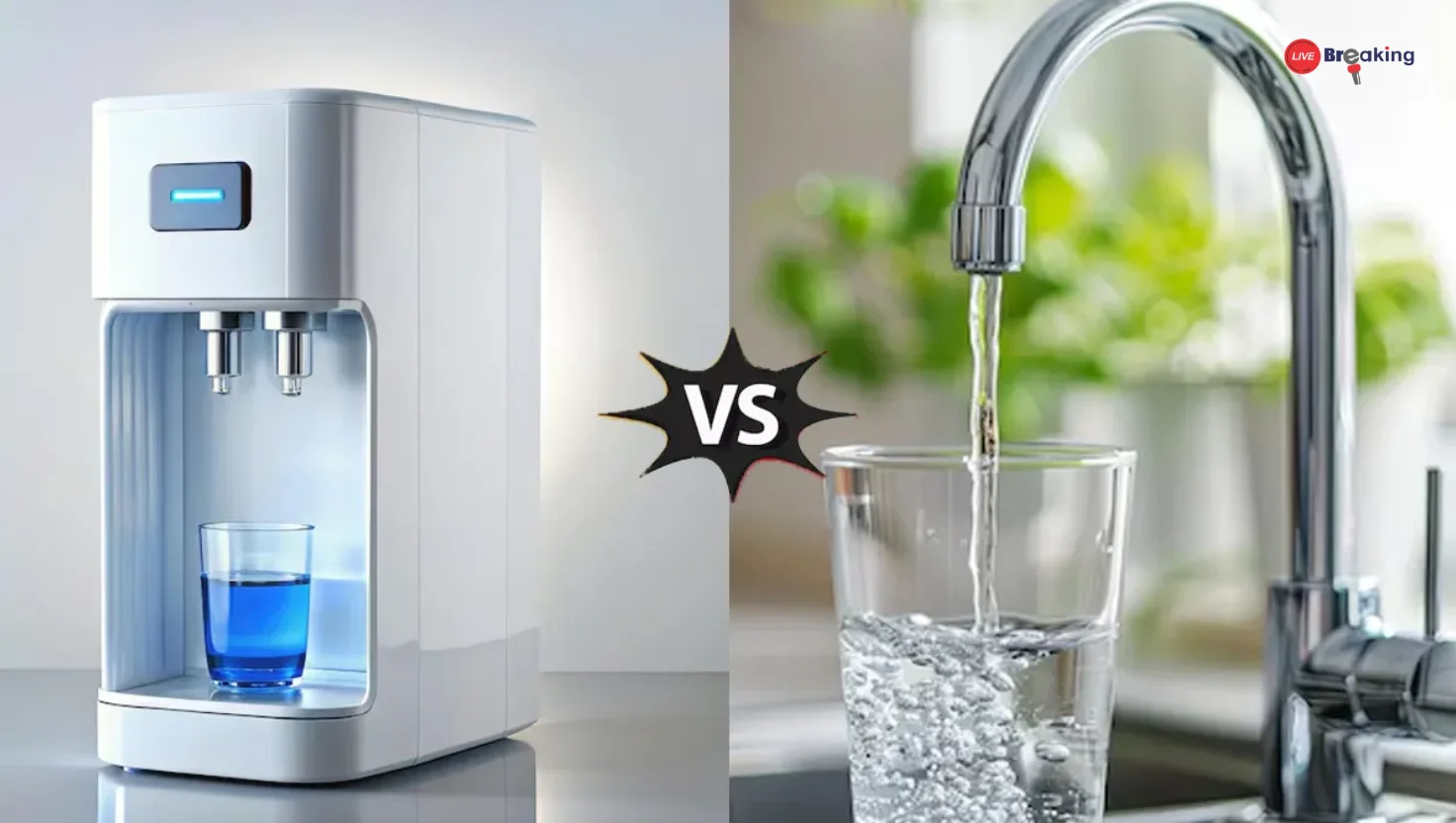
People today are increasingly concerned about the quality of drinking water. In many households, especially in India, questions like “Is tap water safe?” and “Is RO water healthier?” have become common. The answer isn’t always straightforward — it depends on where you live, your local water quality, and how it is treated. Let’s break down both options, evaluate their benefits and risks, and clarify when each choice makes sense.
What Is Tap Water?
Tap water refers to the water supplied by municipal utilities or public systems straight to your home’s faucets. It goes through basic treatment and disinfection at local water plants before delivery. In many cities, chlorine or similar chemicals are used to kill harmful microbes.
Tap water typically contains:
-
Beneficial minerals like calcium, magnesium, and potassium
-
Trace contaminants such as chlorine by-products
-
Possible heavy metals like lead if pipes are old or damaged
-
Microbial elements, depending on sanitation and treatment standards
While tap water is treated to be safe, its quality varies widely by region and the condition of local infrastructure. In many Indian cities, for example, only a small percentage of urban households receive completely safe tap water without filtration.
What Is RO Water?
RO stands for Reverse Osmosis, a purification process in which water is forced through a semi-permeable membrane. This membrane blocks dissolved solids, contaminants, heavy metals, bacteria, viruses, and many chemical impurities. The resulting water is much purer than untreated tap water.
RO systems are widely used in areas where water sources contain high Total Dissolved Solids (TDS), industrial pollutants, or other impurities. Advanced RO systems often include UV (ultraviolet) and UV + UF (Ultrafiltration) post-treatment to ensure comprehensive purification.
Comparing Tap Water and RO Water: Purity & Safety
| Feature | Tap Water | RO Water |
|---|---|---|
| Contaminant removal | Varies; may leave dissolved salts and microbes | High removal of dissolved salts, bacteria, heavy metals |
| Mineral content | Retains natural minerals | Removes minerals (can be adjusted) |
| Taste & odor | Depends on treatment | Typically cleaner taste |
| Health safety | Safe if well-regulated | Very safe with proper system |
| Environmental impact | Low water waste | Higher — rejects water as waste |
Tap Water Pros:
-
Naturally contains minerals that support health
-
Usually good if sourced from well-maintained treatment plants
-
No wastewater generated
Tap Water Cons:
-
May contain contaminants if infrastructure is poor
-
Chlorination by-products can form potentially harmful compounds
-
Quality can vary neighborhood-to-neighborhood
RO Water Pros:
-
Removes a wide range of harmful contaminants
-
Ideal for contaminated or high-TDS water sources
-
Often used with UV to ensure biological safety
RO Water Cons:
-
Strips out essential minerals
-
Requires maintenance and power
-
Produces wastewater during purification
Health Impacts: What Experts Say
Tap Water Health Effects
When municipal tap water is properly treated and monitored, it is generally safe to drink. However, experts note that in areas with outdated pipes or inadequate treatment, contaminants like lead, microbes, or chlorine by-products can pose health risks.
Read more: How Kareena Kapoor Stays Fit At 45: From Deadlift To Barbell Hold
RO Water Health Effects
RO water is highly effective at removing dangerous substances, including heavy metals and chemicals. But the process also removes beneficial minerals. While most essential minerals come from food, very low mineral water over long periods can affect health, especially for children and the elderly, unless remineralized or balanced by diet.
When Is RO Water Better?
Experts recommend RO water if:
-
Your tap water quality is poor or untested
-
Water has high TDS, industrial chemicals, or microbial contamination
-
You’re in a region with frequent water pollution incidents
-
You want added protection for vulnerable family members
When Tap Water Is Enough
Tap water may suffice if:
-
Local water meets strict safety standards
-
Water quality is regularly tested and monitored
-
You use simple filters (e.g., carbon filters) for taste and odor improvement
Final Verdict
Neither tap water nor RO water is universally “harmful” on its own. Clean, safe tap water is perfectly fine when municipal systems are effective and quality is high. Meanwhile, RO water offers a higher level of purification where water sources are questionable or contaminated.
Your best choice hinges on knowing your local water quality, considering health needs, and selecting the right purification technology for your household.
FAQs (Frequently Asked Questions)
Q1. Is tap water always safe to drink?
A: Tap water can be safe but depends on local treatment quality and infrastructure.
Q2. Does RO water remove minerals?
A: Yes — RO removes both contaminants and many beneficial minerals.
Q3. Can children drink RO water?
A: Yes, but ensure remineralization through diet or added filters.
Q4. Is RO + UV water better than just RO?
A: Yes — combining UV helps inactivate bacteria and viruses.
Q5. How do I know my water quality?
A: Have it tested for TDS, microbes, and chemicals for best decision-making.