10,000 Condom Packs Exhausted at Winter Olympics, Unexpected Crisis Stuns Organisers
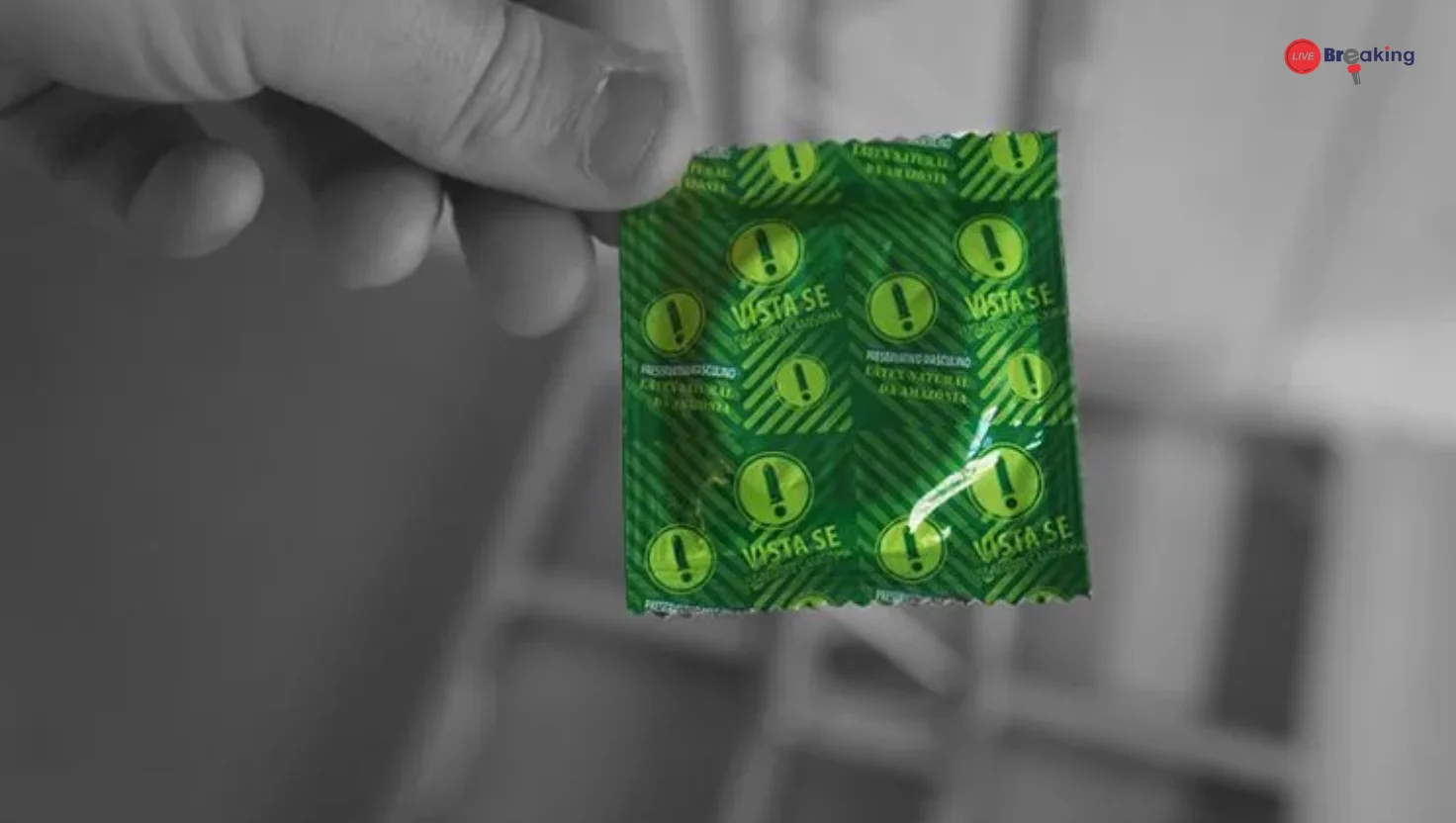
An unexpected and unusual situation has reportedly unfolded at the Winter Olympics after 10,000 condom packs were exhausted in a short span of time, leaving organisers scrambling to address the sudden shortage. What began as a routine distribution of health and safety supplies inside the Athlete Village has now turned into a logistical challenge that has sparked global attention.
The Olympic Games are not just about competition — they also bring together thousands of athletes, coaches, and staff members from across the world. With such a large gathering in one place, ensuring safety, health awareness, and responsible behaviour is a priority for organisers. Condom distribution has long been part of Olympic health initiatives, aimed at promoting safe practices and preventing the spread of sexually transmitted infections (STIs).
However, the rapid depletion of 10,000 condom packs reportedly caught officials off guard.
Why Condoms Are Distributed at the Olympics
The practice of distributing condoms at the Olympics dates back several decades. It began as a public health initiative during the HIV/AIDS crisis and has since evolved into a standard preventive measure at both Summer and Winter Games.
Each Olympic edition typically provides thousands — sometimes even hundreds of thousands — of condoms to athletes and officials. The goal is straightforward:
-
Promote safe sex
-
Reduce health risks
-
Encourage responsible conduct
-
Raise awareness about sexual health
Given the size of the Athlete Village population, which can run into thousands, such measures are considered routine and essential.
What Led to the Sudden Shortage?
While high demand is not uncommon at Olympic Games, exhausting 10,000 packs quickly created an unexpected supply gap. Several factors may have contributed:
1. High Athlete Participation
The Winter Olympics gather competitors from dozens of countries. With events spread over multiple days, athletes spend significant time within the village environment.
2. Limited Initial Stock
Unlike the Summer Olympics, Winter Games typically host fewer athletes. This may lead to comparatively smaller supply allocations, which can be depleted faster if demand spikes.
3. Increased Awareness & Accessibility
Easy availability often encourages responsible usage. Athletes may collect supplies not only for immediate use but also as part of safe practice planning during their stay.
Officials reportedly moved swiftly to restock supplies to avoid disruption and maintain health standards.
A Logistical, Not Moral, Crisis
It’s important to note that this situation is being described as a logistical issue rather than a behavioural crisis. Condom distribution is a health-first initiative, and high usage can also be interpreted as a positive sign of awareness and responsible conduct among athletes.
Public health experts often highlight that access to preventive resources reduces risk and promotes safety. In this context, running out of stock reflects demand — not misconduct.
Past Olympic Trends
Historically, Olympic Games have seen large-scale condom distribution. In some Summer Olympics editions, organisers have reportedly distributed hundreds of thousands of condoms throughout the event.
The Winter Olympics typically involve smaller numbers compared to the Summer Games, but the principle remains the same: prevention and health safety are top priorities.
This latest development simply underscores how important adequate supply planning is for large-scale international events.
How Organisers Are Responding
Event organisers have reportedly acted quickly to replenish stocks and ensure uninterrupted availability. Health and safety teams within the Athlete Village monitor supply usage and restock accordingly.
Read more: World Anthropology Day 2026: Exploring Human Culture and Identity
Officials have reiterated their commitment to athlete welfare, stating that health resources remain a key priority.
The rapid response aims to prevent any future shortage and maintain smooth operations throughout the remainder of the Games.
The Bigger Picture
Beyond the headline-grabbing numbers, this incident highlights several broader points:
-
Olympic villages are micro-communities with real-world needs.
-
Preventive health measures are essential at international events.
-
Logistical planning must account for fluctuating demand.
Rather than being a scandal, the situation reflects the scale and complexity of organising a global sporting event.
As the Winter Olympics continue, the focus remains firmly on athletic excellence — but behind the scenes, health management and resource planning play an equally crucial role in ensuring the success of the Games.
FAQs
Why are condoms distributed at the Olympics?
Condoms are distributed to promote safe sex, prevent sexually transmitted infections (STIs), and encourage responsible health practices among athletes and officials.
Is this the first time condoms ran out at the Olympics?
There have been high-demand situations in past Olympics, but shortages are typically addressed quickly by organisers through restocking.
How many condoms are usually distributed at the Olympics?
Distribution numbers vary. Summer Olympics often see hundreds of thousands distributed, while Winter Games usually allocate fewer due to smaller participation numbers.
Is the shortage affecting the Games?
No, the shortage is logistical and temporary. Organisers have taken steps to replenish supplies and ensure athlete welfare remains unaffected.
Does high demand indicate misconduct?
Not necessarily. High usage can reflect increased awareness and responsible health practices among participants.