Chief Of Defence Staff On Why Nehru Wanted Panchsheel Agreement With China

Panchsheel Agreement

Chief of Defence Staff Explains Why Nehru Signed the Panchsheel Agreement With China

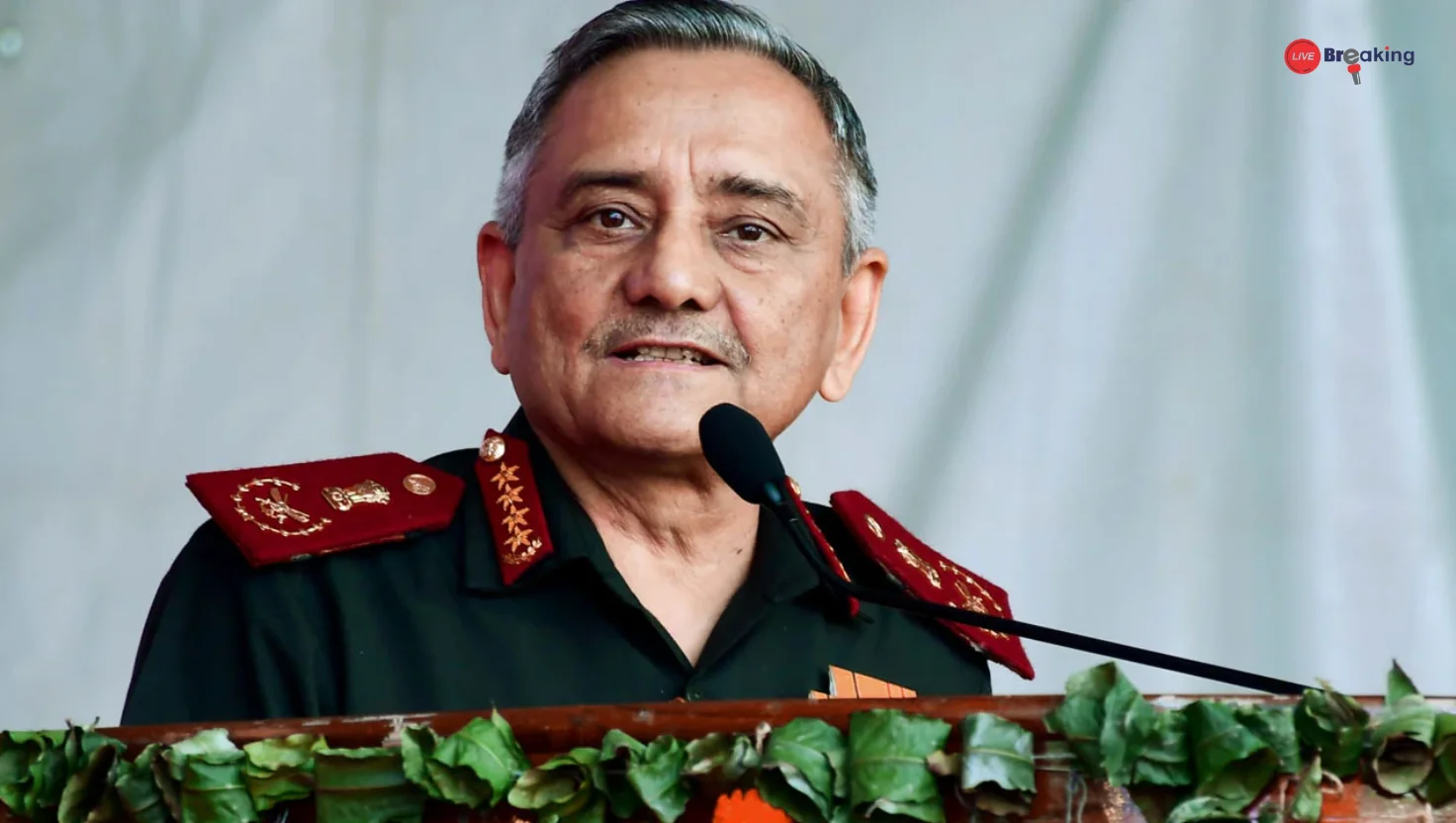
India’s Chief of Defence Staff, Anil Chauhan, recently shed light on why India’s first Prime Minister, Jawaharlal Nehru, pursued the Panchsheel Agreement with China during the early years of independence. His remarks have sparked renewed debate on India’s foreign policy choices in the 1950s and their long-term strategic consequences.

The Panchsheel Agreement, formally known as the Agreement on Trade and Intercourse Between the Tibet Region of China and India, was signed in 1954. It laid down five principles of peaceful coexistence—mutual respect for territorial integrity, mutual non-aggression, mutual non-interference, equality and mutual benefit, and peaceful coexistence.

Why Nehru Pursued the Panchsheel Agreement

According to General Anil Chauhan, Nehru’s approach was shaped by the geopolitical realities of the time. India had just gained independence in 1947 and was focused on nation-building. The leadership believed that long-term peace and cooperation in Asia were essential for economic development and stability.

Nehru envisioned India as a moral force in global politics. His foreign policy was rooted in non-alignment and peaceful diplomacy. The Panchsheel principles aligned with his broader vision of avoiding military blocs during the Cold War and fostering solidarity among newly independent nations.

At that time, China had undergone a political transformation following the establishment of the People’s Republic of China in 1949. Nehru saw an opportunity to build a stable relationship with Beijing based on trust and shared anti-colonial values.


The Strategic Environment of the 1950s

During the early 1950s, Asia was experiencing major political shifts. The Korean War had heightened tensions in the region, and global powers like the United States and the Soviet Union were competing for influence.

Nehru sought to prevent India from being drawn into superpower rivalries. By signing the Panchsheel Agreement with Chinese Premier Zhou Enlai, India aimed to stabilize its northern frontier and project itself as a proponent of peaceful coexistence.

However, the optimism of the period did not last. The relationship deteriorated over border disputes, ultimately leading to the 1962 Sino-Indian War. Critics argue that the Panchsheel Agreement failed to address core territorial issues, while supporters believe it reflected the diplomatic thinking of its time.

CDS Perspective: Lessons From History

General Anil Chauhan emphasized that historical decisions must be understood within their context rather than judged solely by their outcomes. India in the 1950s lacked the military and economic strength it possesses today. Diplomacy was considered the most viable strategy for safeguarding national interests.

The Chief of Defence Staff highlighted that Nehru’s intention was not weakness but an effort to create stability in a fragile post-colonial world. The Panchsheel principles later influenced global diplomatic frameworks and were even referenced in discussions at the United Nations.

Read more: PM Modi Congratulates BNP’s Tarique Rahman: “India Will Support Democratic, Inclusive Bangladesh”

Today, India’s approach to China is shaped by both historical experience and contemporary realities. The lessons of Panchsheel underscore the importance of balancing diplomacy with preparedness.

Impact on India-China Relations Today

India-China relations continue to be complex, especially along the Line of Actual Control (LAC). While both nations maintain diplomatic engagement, military readiness remains a key factor in ensuring stability.

The historical reflection by the Chief of Defence Staff comes at a time when strategic clarity and realistic assessments are essential. Policymakers often revisit Nehru’s decisions to understand how India’s early diplomatic frameworks influence present-day security doctrine.

Frequently Asked Questions (FAQ)

What was the Panchsheel Agreement?

The Panchsheel Agreement was a 1954 treaty between India and China outlining five principles of peaceful coexistence, aimed at promoting stable bilateral relations.

Read more: BJP MP Makes 1st Move In Bid To Disqualify Rahul Gandhi From Parliament

Why did Jawaharlal Nehru support the agreement?

Nehru believed peaceful coexistence and non-alignment were essential for India’s development and regional stability during the Cold War era.

What did CDS Anil Chauhan say about it?

Anil Chauhan explained that Nehru’s decision should be understood within the historical context of post-independence India, where diplomacy was prioritized over military confrontation.

Did the Panchsheel Agreement prevent conflict?

While it aimed to ensure peaceful relations, unresolved border disputes eventually led to the 1962 war between India and China.

What lessons does it offer today?

The agreement highlights the importance of balancing diplomacy with strategic preparedness in managing complex international relationships.

Read more: Family Of Indian Student Killed By US Officer Gets Rs 260 Crore Settlement

Conclusion

The remarks by Chief of Defence Staff Anil Chauhan have reignited discussion around one of India’s most debated diplomatic decisions. Nehru’s pursuit of the Panchsheel Agreement reflected optimism, idealism, and strategic calculation in a newly independent nation navigating a divided world.

While history unfolded differently than anticipated, the principles of peaceful coexistence remain relevant in global diplomacy. Understanding the motivations behind past decisions offers valuable insight into shaping India’s future foreign and defence policies.

Like this post?
Register at Live Breaking to never miss out on videos, celeb interviews, and best reads.