After Trump’s “Zero Tariff” Claim: White House Factsheet Explains India–US Trade Deal
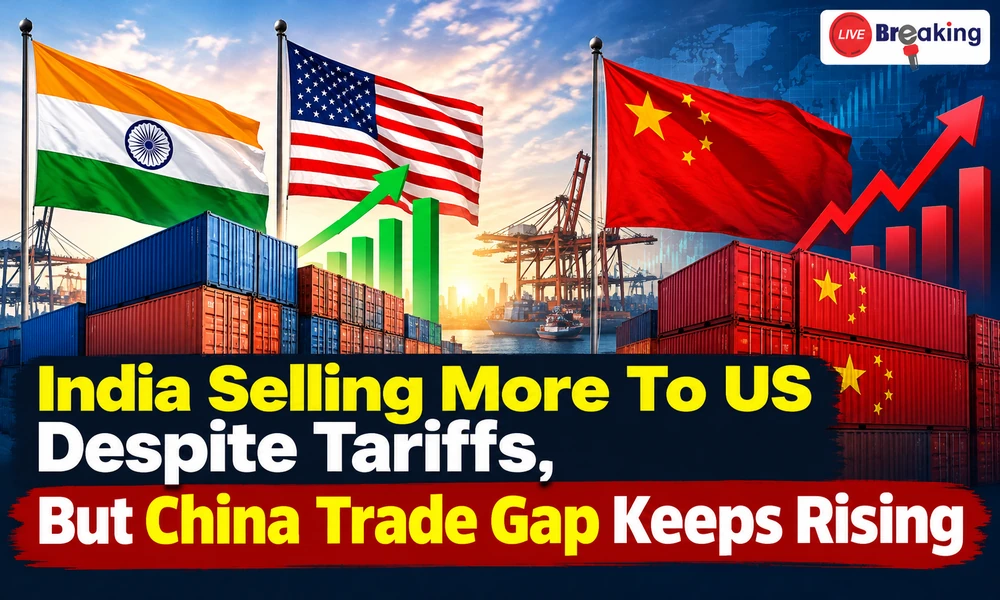
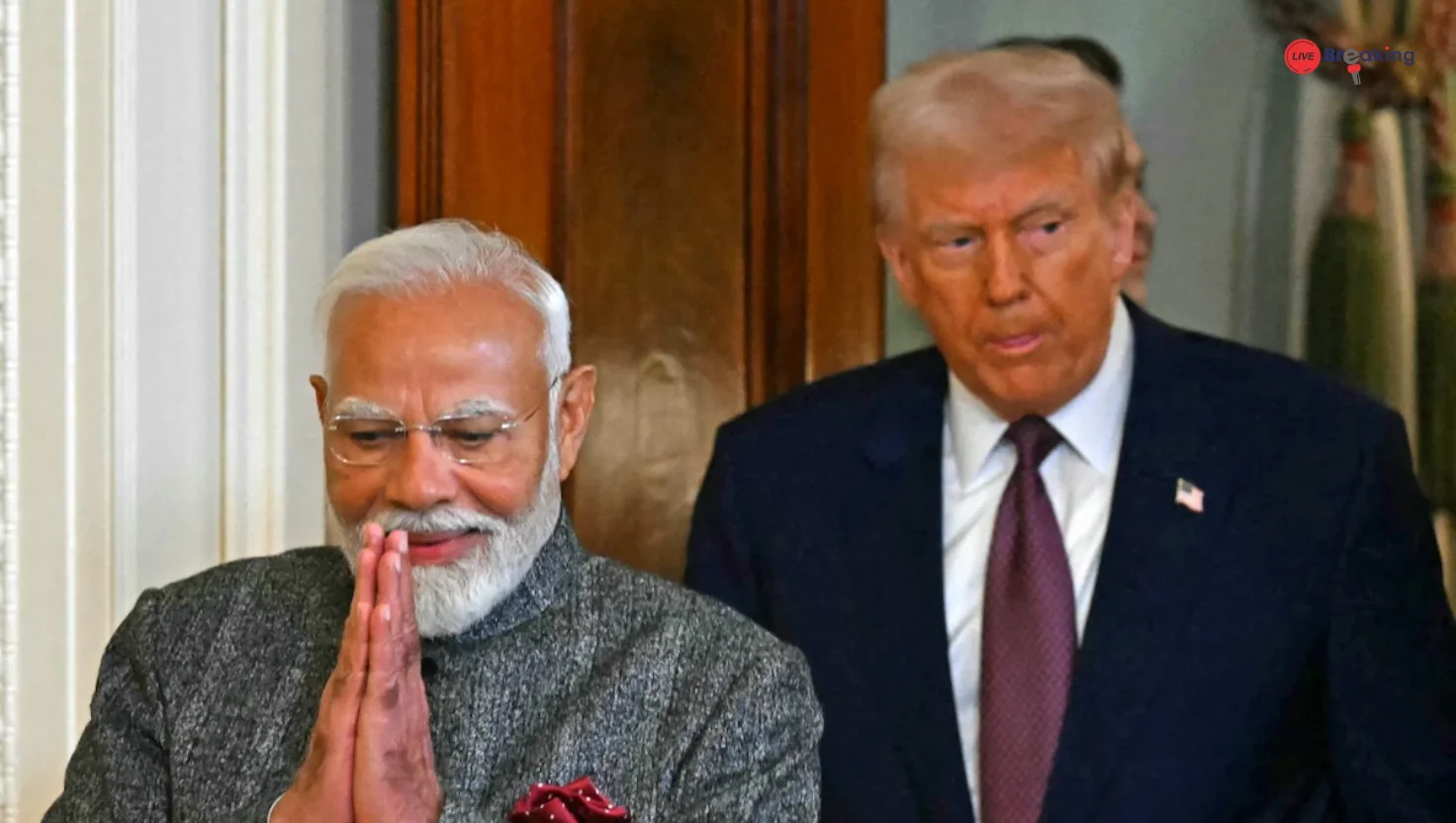
Following former US President Donald Trump bold assertion of a “zero tariff” arrangement between India and the United States, fresh attention has turned toward an official factsheet released by the White House. The document aims to clarify the real scope, intent, and implications of the much-discussed India–US trade deal, which has once again become a focal point in global economic and political conversations.
The claim, highlighted in recent media coverage including NDTV, sparked widespread debate. Many observers questioned whether the statement suggested a complete removal of tariffs or was instead a political simplification of a more complex trade understanding.
Understanding the “Zero Tariff” Claim
Donald Trump’s reference to “zero tariffs” was widely interpreted as a sign of a landmark breakthrough in bilateral trade relations. However, trade experts and officials were quick to note that international trade agreements rarely involve blanket tariff eliminations across all goods and services.
The White House factsheet clarifies that the deal should be viewed as a framework for enhanced trade cooperation, rather than an absolute zero-tariff pact. While certain sectors may benefit from reduced or eliminated tariffs, others remain subject to negotiated duties, regulatory standards, and domestic economic considerations.
Key Highlights from the White House Factsheet
According to the factsheet, the India–US trade deal focuses on strengthening long-term economic ties while addressing specific trade barriers. Some of the key elements include:
1. Sector-Specific Tariff Adjustments
Rather than a universal tariff removal, the agreement emphasizes targeted tariff reductions. These are aimed at sectors where both countries see mutual benefit, such as selected industrial goods, technology components, and agricultural products.
2. Market Access and Fair Trade
The factsheet underlines commitments to improved market access for businesses from both sides. This includes discussions around non-tariff barriers, standards alignment, and transparency in regulatory processes.
Read more: 10-Crore Lamborghini “Had Issue Day Before Crash”: Tobacco Baron Big Claim
3. Strategic Economic Partnership
Beyond tariffs, the deal highlights a broader strategic partnership. Trade is positioned as one pillar of cooperation, alongside defense, technology, energy, and supply-chain resilience.
4. Support for Domestic Industries
Both governments stress that the agreement respects domestic economic priorities. This means safeguarding sensitive sectors while still promoting increased bilateral trade and investment.
Why the Deal Matters for India and the US
For India, deeper trade engagement with the United States offers opportunities to expand exports, attract investment, and integrate further into global value chains. For the US, India represents a rapidly growing market and a strategic partner in the Indo-Pacific region.
The renewed focus on the trade deal also reflects shifting global supply chains, with both nations seeking to reduce over-dependence on single markets and enhance economic resilience.
Political Context and Public Perception
Trump’s “zero tariff” phrasing resonated strongly with audiences because of its simplicity and promise. However, the White House factsheet serves as a reminder that trade diplomacy is inherently complex. Political messaging often condenses nuanced negotiations into headline-friendly statements, which can lead to misunderstandings if not supported by detailed explanations.
Read More: “Won’t Allow Any Impediment To SIR Process,” Supreme Court Warns States
By releasing the factsheet, US officials appear intent on grounding the discussion in policy realities rather than rhetoric.
What Happens Next?
While the factsheet outlines intent and direction, trade experts emphasize that implementation and follow-up negotiations will determine the deal’s real impact. Sector-level talks, regulatory coordination, and domestic approvals will all play critical roles in shaping outcomes for businesses and consumers.
As global economic conditions evolve, the India–US trade relationship is likely to remain dynamic, with periodic reassessments and updates.
Conclusion
The White House factsheet makes it clear that Trump’s “zero tariff” claim should be seen as a political shorthand, not a literal description of the India–US trade deal. The agreement represents a step toward closer economic cooperation, built on selective tariff reductions, improved market access, and strategic alignment. For both nations, it signals intent to deepen ties while carefully balancing national interests.
FAQs
Q1. Did India and the US agree to completely eliminate tariffs?
No. The White House factsheet clarifies that the deal involves selective tariff reductions, not a universal zero-tariff arrangement.
Q2. Why did Donald Trump call it a “zero tariff” deal?
The phrase appears to be a simplified political statement highlighting improved trade terms rather than a detailed policy description.
Read more: Himanta Biswa Sarma vs Gaurav Gogoi After Bombshell Report In Pak Links Case
Q3. Which sectors benefit most from the deal?
Specific sectors such as selected industrial goods, technology-related products, and some agricultural items are expected to see benefits.
Q4. Is this a final trade agreement?
It is better understood as a framework or evolving agreement, with further negotiations and implementation steps required.
Q5. How does this deal affect India–US relations?
It strengthens economic ties and reinforces the broader strategic partnership between the two countries.