8 Opposition MPs Suspended From Lok Sabha Over Protest, BJP Calls It Utter Disrespect
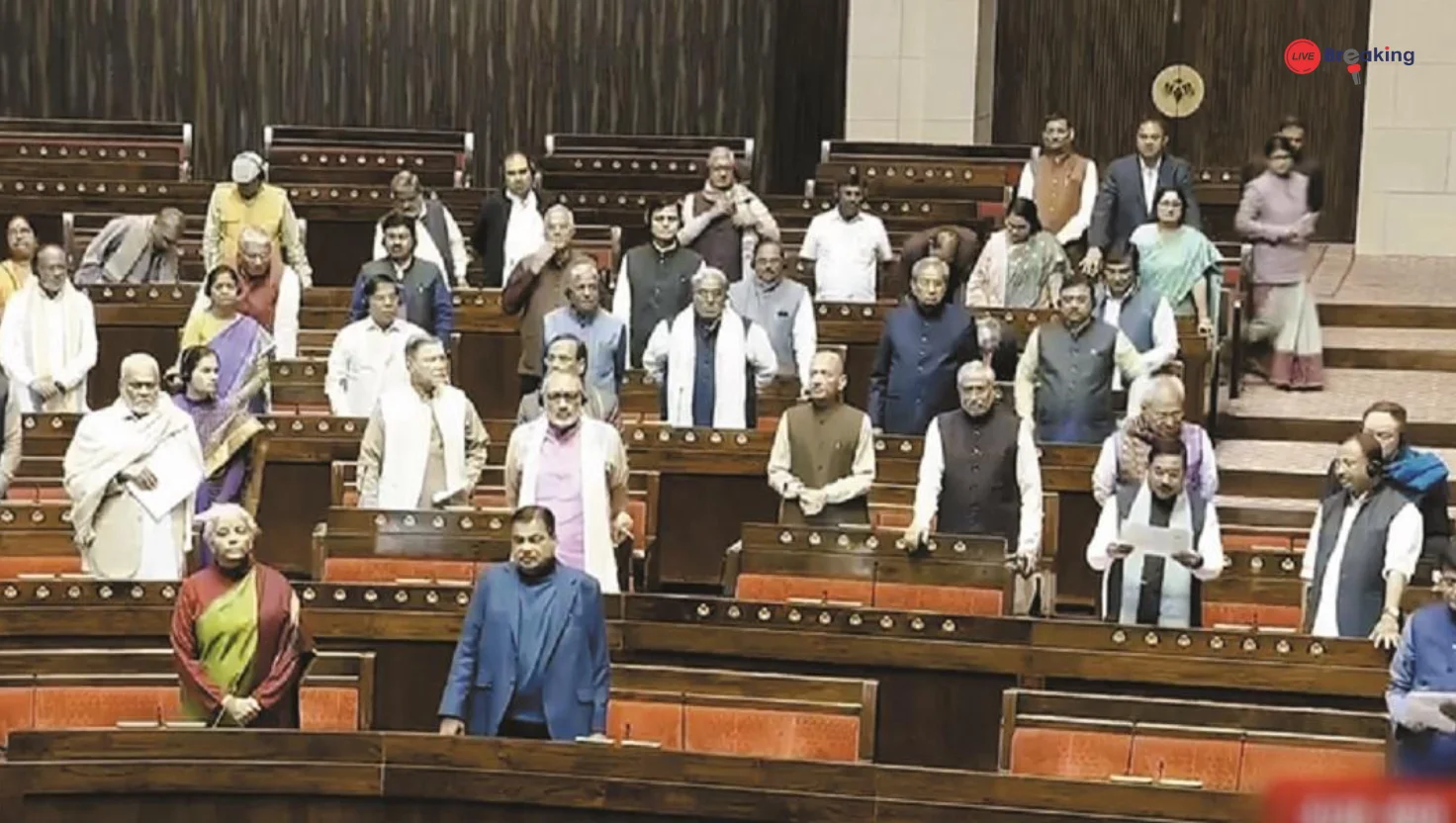
In a dramatic turn of events inside India’s Parliament, eight opposition Members of Parliament (MPs) were suspended from the Lok Sabha after they allegedly threw papers towards the Chair during a heated protest. The incident sparked sharp reactions across the political spectrum, with the ruling Bharatiya Janata Party (BJP) condemning the act as “utter disrespect” towards parliamentary decorum and democratic institutions.
The suspension highlights the growing friction between the government and the opposition during the ongoing parliamentary session, once again raising concerns over repeated disruptions, declining legislative productivity, and the erosion of parliamentary traditions.
What Happened Inside the Lok Sabha?
According to parliamentary sources, the incident occurred amid intense debate and protests by opposition MPs over contentious national issues. As slogans were raised and proceedings repeatedly disrupted, some MPs allegedly threw papers towards the Speaker’s Chair, prompting swift action by the House leadership.
The Speaker invoked parliamentary rules to suspend eight MPs for “grossly disorderly conduct,” stating that such behavior undermines the dignity of the House and obstructs its functioning. Soon after the suspensions were announced, chaos prevailed in the Lok Sabha, leading to adjournment of proceedings for a brief period.
BJP Reacts: ‘Utter Disrespect to Democracy’
Reacting strongly to the incident, BJP leaders accused the opposition of deliberately stalling Parliament and disrespecting democratic institutions. Senior BJP members stated that throwing papers at the Chair was not just a breach of rules but an insult to the Constitution and the mandate given by the people.
“This is utter disrespect to Parliament, the Speaker, and democracy itself,” a BJP spokesperson said, adding that such conduct leaves the House with no option but to take strict disciplinary action.
The ruling party further argued that opposition protests are increasingly turning aggressive, preventing meaningful debate on important legislation and policy matters.
Opposition’s Stand: ‘Suppression of Dissent’
On the other hand, opposition parties defended their MPs, claiming the suspensions were politically motivated and aimed at silencing dissenting voices. Several opposition leaders alleged that the government has become intolerant of criticism and routinely uses suspensions as a tool to push controversial bills without adequate discussion.
They argued that repeated adjournments and strong protests are a result of the government’s refusal to allow debates on key issues, forcing MPs to resort to demonstrations inside the House.
Some opposition leaders also announced plans to stage protests outside Parliament and raise the issue in public forums.
Why MP Suspensions Matter in Parliamentary Democracy
Suspensions of MPs are not uncommon in Indian parliamentary history, but frequent disciplinary actions raise serious questions about the health of parliamentary democracy. The Lok Sabha is meant to be a platform for debate, disagreement, and dialogue — not confrontation and chaos.
While maintaining order is essential, critics argue that excessive suspensions can reduce representation for millions of voters whose MPs are barred from participating in debates and voting.
Political analysts note that both the government and opposition share responsibility — the former for ensuring inclusive debate, and the latter for maintaining decorum while protesting.
Impact on Parliamentary Proceedings
With eight MPs suspended, the numerical strength of the opposition in the Lok Sabha has temporarily reduced, potentially easing the government’s path to pass pending bills. However, such developments also risk deepening political polarization and diminishing public trust in parliamentary processes.
Read more: New Panel To Review Impact Of AI On Services Sector: Nirmala Sitharaman
Repeated disruptions have already led to the loss of several working hours during the session, delaying discussions on crucial economic, social, and governance-related legislation.
A Pattern of Disruptions and Confrontation
This incident is part of a broader pattern of frequent disruptions witnessed in recent parliamentary sessions. From walkouts and slogan-shouting to well protests and now alleged paper-throwing, Parliament has increasingly become a battleground for political messaging rather than legislative deliberation.
Observers warn that if this trend continues, Parliament risks losing its stature as the cornerstone of Indian democracy.
Conclusion
The suspension of eight opposition MPs for throwing papers at the Chair underscores the fragile state of parliamentary decorum in India today. While discipline and order are essential for the smooth functioning of the House, dialogue and mutual respect remain equally important.
As political tensions rise, the responsibility lies with both the ruling party and the opposition to restore dignity to parliamentary proceedings and ensure that Parliament serves its primary purpose — representing the will and concerns of the people.
FAQs
Why were the opposition MPs suspended from the Lok Sabha?
The MPs were suspended for allegedly throwing papers at the Speaker’s Chair during protests, which was termed “grossly disorderly conduct.”
How many MPs were suspended in this incident?
A total of eight opposition MPs were suspended from the Lok Sabha.
Read more: Sunetra Pawar Takes Oath as Maharashtra First Woman Deputy Chief Minister, Historic Milestone
What was BJP’s reaction to the incident?
The BJP condemned the act, calling it “utter disrespect” to Parliament, democracy, and constitutional values.
What does the opposition say about the suspensions?
Opposition parties claim the suspensions are politically motivated and meant to suppress dissent and avoid debate.
Do MP suspensions affect parliamentary functioning?
Yes, suspensions reduce representation for voters and can impact debates and voting in the House.