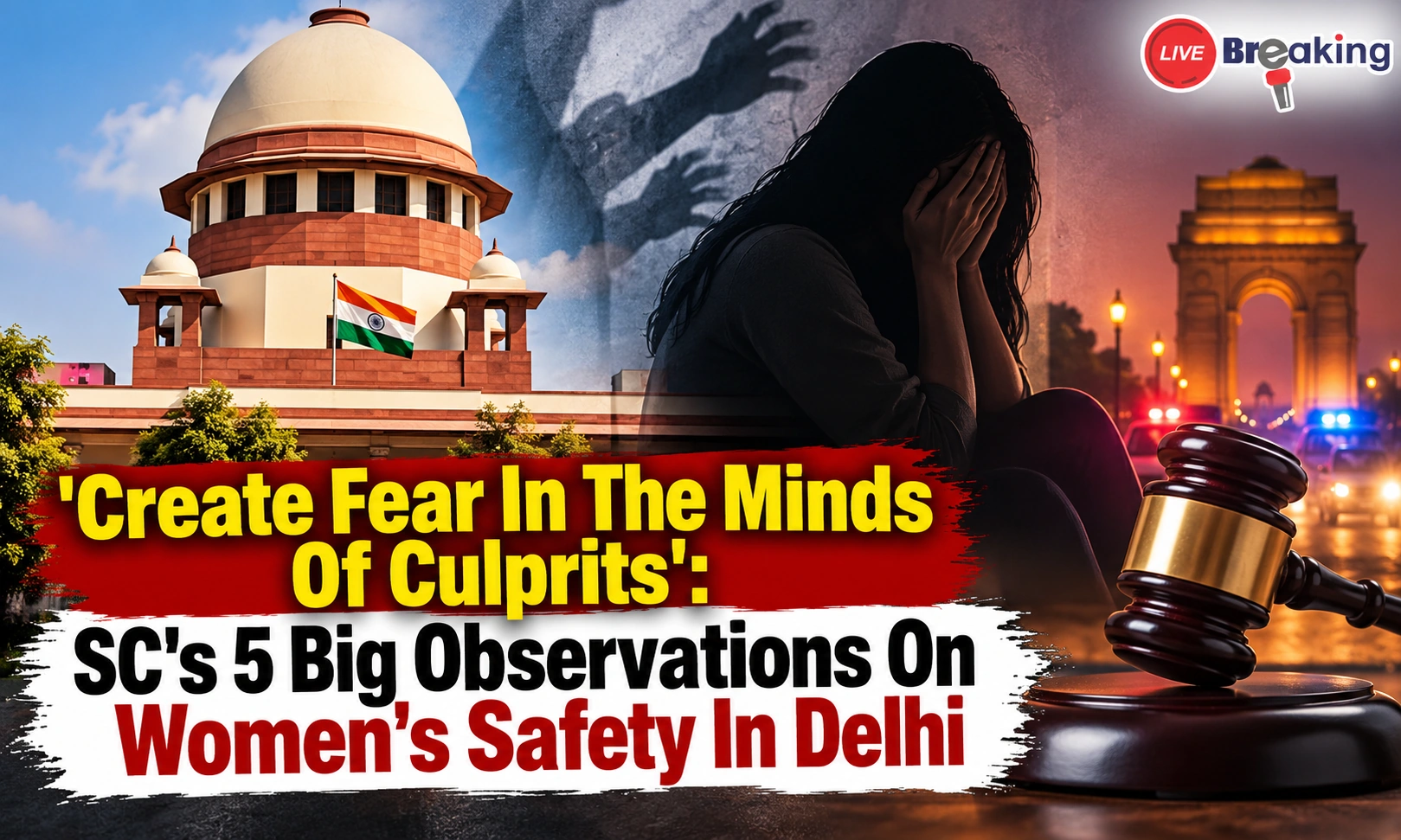
Ex MLA Kuldeep Sengar To Stay In Jail, Supreme Court Stays Bail In Unnao Case
In a significant judicial intervention, the Supreme Court of India on Monday stayed the Delhi High Court’s bail order granted to former Uttar Pradesh MLA Kuldeep Singh Sengar in the high-profile 2017 Unnao rape case, effectively ensuring that he remains behind bars. The top court’s decision comes amid intense legal debate, public scrutiny, and continuing concerns about justice in sexual assault cases.
Background — The Unnao Rape Case and Earlier Conviction
The Unnao rape case dates back to June 2017, when a then-17-year-old girl was allegedly gang-raped in Unnao district of Uttar Pradesh. The case drew national outrage due to allegations of political influence and delayed justice. Kuldeep Singh Sengar, a four-time MLA and former member of the Bharatiya Janata Party (BJP), was arrested and later convicted of rape and sentenced to life imprisonment in December 2019.
In addition to the rape conviction, Sengar was also found guilty in the custodial death of the victim’s father, further compounding the seriousness of his criminal liabilities.
Delhi High Court’s Bail Order and Its Controversial Nature
On December 23, 2025, the Delhi High Court stunned observers by suspending Sengar’s life sentence to enable him to file an appeal against his conviction and granting him conditional bail. The high court ruled that Sengar had already spent over seven years in prison and that certain technical aspects of the charges — including whether an MLA qualified as a “public servant” under the Protection of Children from Sexual Offences (POCSO) Act — warranted legal reconsideration.
The relief came with stringent conditions, including personal bonds and restrictions on contacting the survivor, but nonetheless sparked widespread public outrage and protests.
Supreme Court’s Stay Order — Key Reasons and Legal Standpoint
Responding to an appeal filed by the Central Bureau of Investigation (CBI), a three-judge vacation bench of the Supreme Court — led by Chief Justice of India Surya Kant along with Justices J.K. Maheshwari and Augustine George Masih — stayed the Delhi High Court’s bail order, stating that substantial questions of law warranted deeper scrutiny.
During the hearing, the CBI argued that the high court’s interpretation of “public servant” was erroneous, especially since senior jurisprudence recognizes elected lawmakers as public servants when their official conduct is in question.
The bench also observed that ordinarily, orders granting bail that result in release require hearing of the affected person, but in this unique situation, the presence of multiple convictions and ongoing custodial sentences justified a stay of the release order in the interim.
The Supreme Court issued notice to Sengar and directed him to file a reply within four weeks.
Survivor’s Response and Public Reaction
The Delhi High Court’s bail order had triggered protests in New Delhi and beyond, with activists and the victim’s supporters demanding justice and questioning judicial leniency in cases of sexual violence. Many expressed fears for the survivor’s safety should Sengar be released, reinforcing the need for judicial caution in sensitive criminal matters.
Read more: Revanth Reddy Sonia Gandhi Counter Escalates Row Over Digvijaya Singh’s RSS Praise
With the Supreme Court’s stay, public debate continues over the balance between legal rights of convicts and societal expectations of stringent justice in cases involving crimes against minors.
What Happens Next? Legal Timeline and Implications
The Supreme Court’s interim order means Kuldeep Singh Sengar remains in custody, not only because the stay prevents his release on the earlier bail order, but also because he continues to serve sentences for other criminal convictions, including the custodial death case.
The matter is expected to return to the Supreme Court for detailed hearings on the merits of the appeal filed by the CBI and subsequent replies by Sengar’s counsel. Legal observers suggest the case could shape future jurisprudence on bail standards in high-profile criminal cases.
Frequently Asked Questions (FAQs)
Q1: Why did the Supreme Court stay the bail granted to Kuldeep Singh Sengar?
The Supreme Court stayed the bail because it found substantial questions of law raised by the CBI’s appeal against the Delhi High Court’s interpretation of legal provisions, particularly regarding the definition of “public servant” and the suspension of sentence.
Read more: Digvijaya Singh Praise for BJP-RSS Sparks Row — BJP Takes Dig at Rahul Gandhi
Q2: Will Kuldeep Sengar be released now?
No. The stay order prevents his release, and he remains in custody serving other sentences.
Q3: What is the role of the CBI in this matter?
The Central Bureau of Investigation challenged the High Court’s bail order and led the appeal before the Supreme Court, arguing that the order undermined the seriousness of the crime and public safety.
Q4: When will the Supreme Court hear the matter next?
The Supreme Court has asked for a counter-affidavit and issued notice for a reply within four weeks, after which detailed hearings are likely.