88 Minutes In PMO: Inside Story Of Rahul Gandhi Meeting With PM Modi
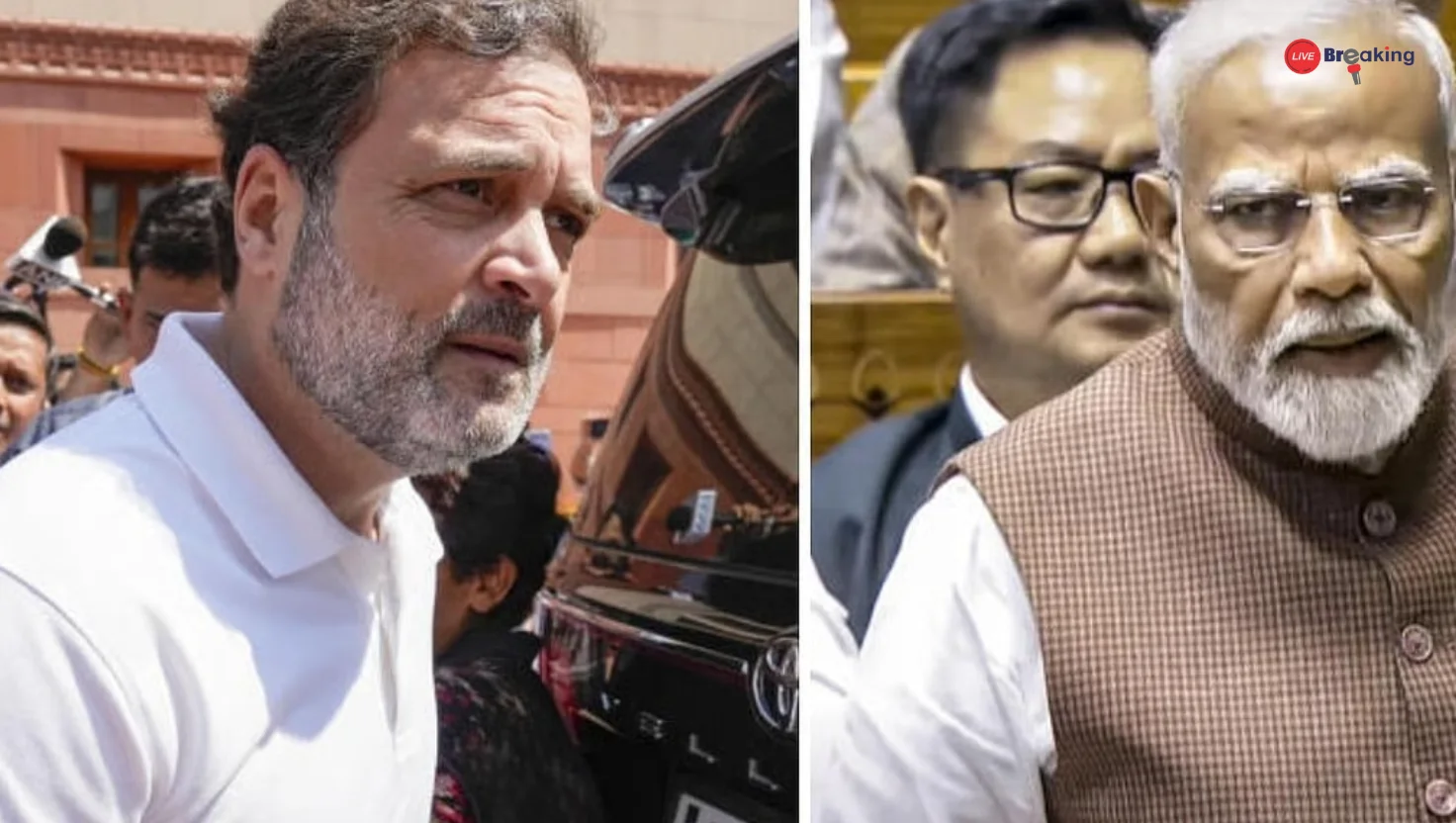
88 Minutes in PMO: The political landscape heated up after a rare, high-stakes meeting between Prime Minister Narendra Modi and Leader of Opposition Rahul Gandhi. The closed-door discussion, hel
A High-Level Meeting With Far-Reaching Implications
The meeting began around 1:07 pm and extended unexpectedly, signaling that the agenda went well beyond routine formalities. Constitutionally, the Leader of the Opposition must be part of the selection committee for CIC appointments, but the tone and duration of this meeting suggest a deeper political negotiation.
According to reports, the government presented proposals for the appointment of:
-
One Chief Information Commissioner
-
Eight Information Commissioners
-
One Vigilance Commissioner
These posts are critical to maintaining transparency under the Right to Information (RTI) Act and ensuring accountability across government departments. Many of the vacancies have remained unfilled for months, leading to a backlog of over 30,000 pending RTI appeals.
Rahul Gandhi Files Strong Objections After the Meeting
In a surprising turn, Rahul Gandhi reportedly submitted written objections to all the proposed names put forward by the government. Sources indicate that Gandhi’s dissent was categorical, raising questions about the transparency of the selection process and the suitability of the nominees.
This move sets the stage for a possible standoff between the opposition and the government. While the committee can technically proceed without unanimous agreement, strong opposition dissent often triggers public debate and institutional pushback.
Why These Appointments Matter Right Now
India’s transparency ecosystem has been under pressure due to delays in filling positions in bodies like the CIC. Without a full bench, the commission faces operational challenges that ultimately impact citizens seeking answers from government authorities.
The retirement of the former Chief Information Commissioner in September 2025 left the top post vacant, worsening existing delays. The prolonged vacancies potentially dilute the spirit of the RTI Act, as pending appeals continue to pile up.
Appointments to the Central Vigilance Commission (CVC) carry equally significant weight, especially in an era where corruption oversight and vigilance are key political talking points.
Political Reactions and War of Words Begin
Soon after reports of the meeting surfaced, political reactions poured in. The ruling party emphasized the importance of finalizing appointments quickly, while opposition leaders called for greater transparency and public scrutiny of the selection process.
Rahul Gandhi’s objections, coupled with his recent foreign engagements and remarks, have made him a central figure in the political narrative surrounding institutional appointments. Supporters of the government argue that delays hinder administrative efficiency, while critics accuse the ruling party of trying to consolidate institutional control.
What Happens Next?
The selection committee is now expected to meet again or circulate revised proposals. The government may choose to:
-
Revise names in response to objections,
-
Proceed with its original list despite dissent, or
-
Open further consultations depending on political calculations.
If the vacancies remain unfilled much longer, the CIC backlog will continue to grow, adding pressure from civil society, activists, and ordinary citizens who rely on timely information from government departments.
Conclusion: An 88-Minute Meeting That Could Shape India’s Transparency Framework
The unusual duration of the meeting, the presence of the top leadership, and the immediate objections from Rahul Gandhi underscore the importance of institutional independence at this moment in Indian politics. The coming days will reveal whether consensus can be reached—or whether this episode marks another chapter in the ongoing political confrontation between the ruling party and the opposition.
Read more: IndiGo On-Time Performance Crashes to 8.5%: Over 400 Flights Cancelled, Aviation Chaos Unfolds
One thing is clear: the decisions made following this meeting will have a long-lasting impact on India’s transparency, governance, and accountability systems.
d at the Prime Minister’s Office (PMO), lasted 88 minutes—far longer than expected—and centered around crucial appointments to the Central Information Commission (CIC) and Central Vigilance Commission (CVC). With Home Minister Amit Shah also present, the meeting brought three of India’s most influential political figures together at a time when institutional appointments are under intense scrutiny.