Putin Assures PM Modi On Ukraine Plan; India Says “On Side Of Peace” — Full Coverage
During his two-day state visit to New Delhi, Vladimir Putin told PM Modi that Moscow is “working on a peaceful settlement” in Ukraine, and had shared detailed plans with the Indian government.
The announcement came on the morning of December 5, 2025, as both leaders met at Hyderabad House for the high-stakes bilateral summit. Putin’s assurance is being viewed globally as significant, given the nearly four-year-old war in Ukraine following Russia’s 2022 invasion.
For India, which has carefully maintained a balancing act amid intense global pressure, the sharing of peace-plan details signals a major step. It underscores Russia’s intent to bring external stakeholders into its proposed resolution path — and flags India as a key interlocutor in that process.
“India is not neutral — India is on side of peace”
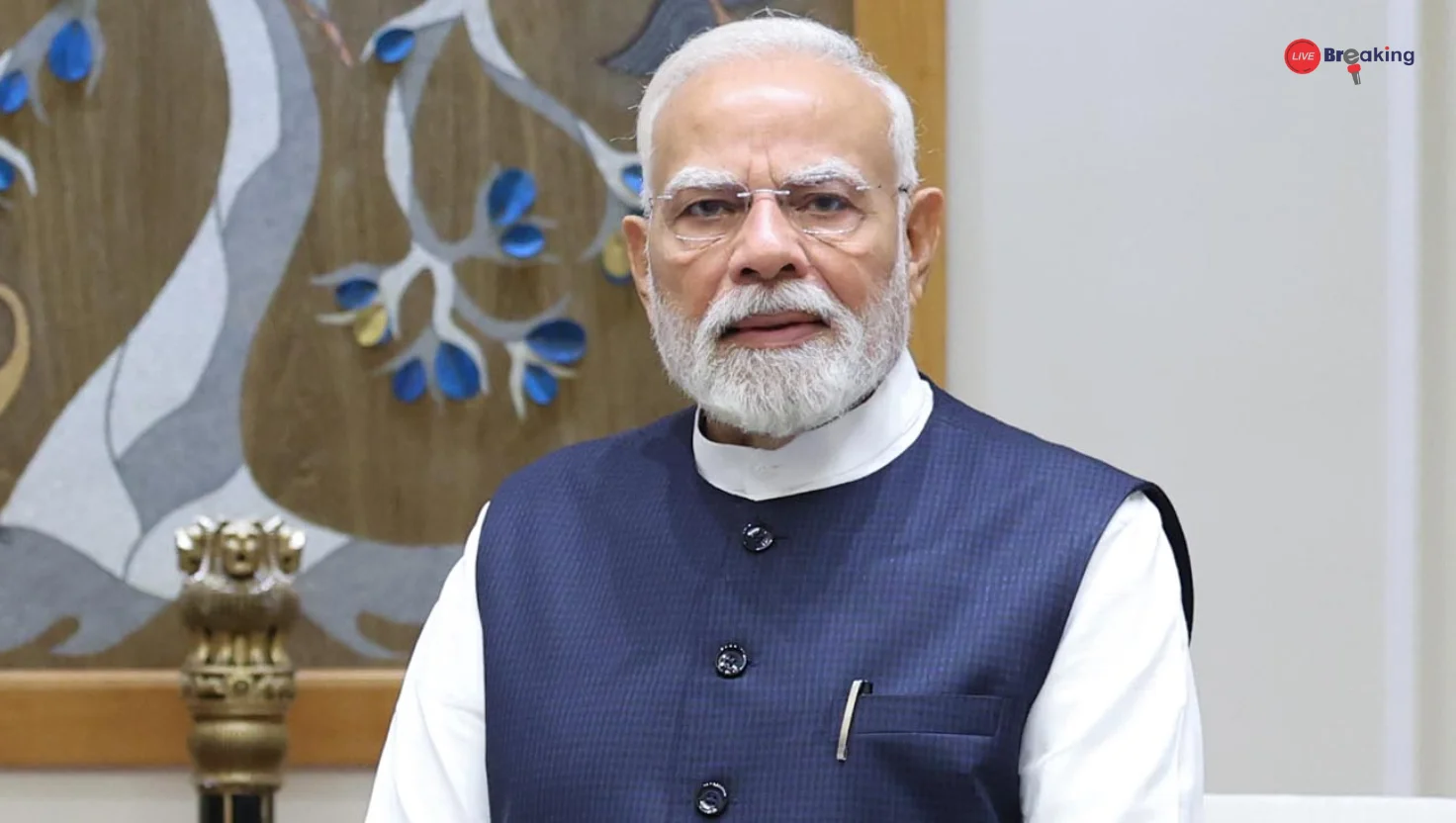
Responding to Putin’s briefing, Prime Minister Modi was categorical: India remains committed to a diplomatic resolution. He declared that “India is not neutral … India is on the side of peace.”
Modi emphasized that India supports a solution born of dialogue and diplomacy — not further military escalation — reinforcing New Delhi’s long-stated stance that stability and peace take precedence over side-taking.
The remark sets the tone of the summit: New Delhi seeks to play a constructive, albeit delicate, role in global diplomacy — even while traditional alliances and pressures challenge its strategic autonomy.
What the Summit Includes Beyond Ukraine
The visit of Putin — the first since 2021 for a head-of-state level trip — marks the 23rd India–Russia Annual Summit in 2025. Apart from discussions on Ukraine, the two countries are exploring deeper cooperation across multiple sectors: defence, energy, nuclear technology, and trade.
Read more: Trump Vows Permanent Halt on Migration From ‘Third World Countries’ After DC Shooting
Agenda items reportedly include potential deals for additional S-400 air-defence systems, discussion over fifth-generation fighter jets (such as the Su-57), nuclear energy cooperation, and trade stabilization amid global sanctions and supply disruptions.
Observers note that despite intense pressure from Western capitals — especially for India to distance itself from Moscow — New Delhi is using the summit to assert its independent foreign policy trajectory.
Global Reactions and Significance
Putin’s invitation and India’s receptive response come against a backdrop of mounting criticism of Russia’s war in Ukraine. While many Western nations have condemned Moscow and imposed harsh sanctions, New Delhi continues to defend its ties with Russia — albeit couched in language of peace and strategic autonomy. Analysts call this India’s “multi-alignment” or “plurilateralism” at work.
By sharing the peace-plan details with India, Russia appears to be seeking broader international legitimacy and perhaps a mediatory role for Delhi. For India, the balancing act is delicate: reaffirming traditional ties, resisting external pressure, while advocating diplomacy over conflict.
Read more: Sanchar Saathi Not Mandatory: Telecom Minister Clears Air Amid Privacy Row
What Comes Next
As the summit progresses, both sides are expected to formalize agreements on defence cooperation, energy and nuclear collaboration, and economic partnerships. More importantly, Delhi may emerge as a diplomatic interlocutor — or at least a conduit — for peace negotiations over Ukraine.
Given the global stakes and the intensity of the Russia-Ukraine war, the world will watch closely whether the “peaceful settlement” discussed in New Delhi gains traction.