Delhi AQI Nears ‘Very Poor’ Category as Thick Smog Engulfs Capital; Pollution Concerns Intensify
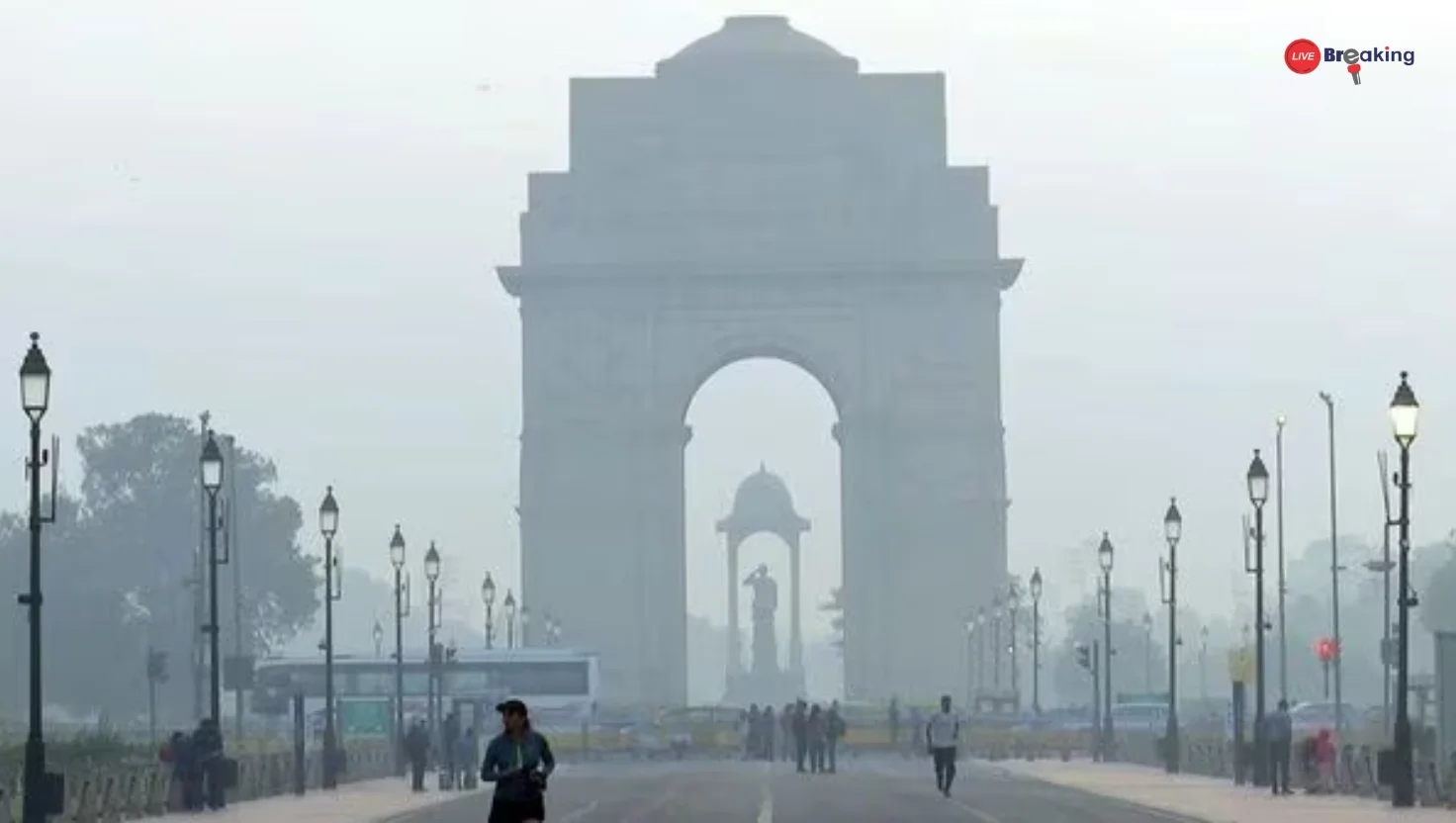
Delhi AQI: Delhi woke up on Monday under a thick blanket of smog, with visibility dipping and air quality rapidly deteriorating across the city. The Air Quality Index (AQI) in several regions hovered dangerously close to the ‘very poor’ category, intensifying public health concerns as winter approaches.
AQI Inches Towards ‘Very Poor’ Zone
According to pollution monitoring agencies, the overall AQI for Delhi stood just two points short of slipping into the ‘very poor’ category, reflecting a steady rise in pollutant concentration.
What the Numbers Indicate
-
The “poor” category ranges between 201–300.
-
“Very poor” begins at 301, a threshold Delhi is nearing once again.
-
Several hotspots like Anand Vihar, RK Puram, and Mundka recorded even higher particulate levels.
Thick Smog Lowers Visibility
A dense haze was visible from early morning hours, triggered by a combination of cold air, low wind speed, and emission buildup.
Experts attribute the worsening smog to:
Meteorological Triggers
-
Reduced wind movement
-
Increased humidity
-
Inversion layer trapping pollutants near ground level
Local Pollution Sources
-
Vehicular emissions
-
Industrial activities
-
Construction dust
The Times of India reported that despite a brief improvement over the weekend—when AQI shifted from “very poor” to “poor”—the improvement was short-lived.
Political Reactions Escalate Amid Pollution Woes
Amid deteriorating air quality, a political controversy has taken shape as leaders spar over pollution management strategies.
The issue resurfaced prominently following a dispute over public remarks made by political representatives, adding tension to an already critical civic concern.
Health Risks Spike for Vulnerable Groups
Doctors warn that even AQI levels in the “poor” category can severely impact:
High-risk groups include:
-
Children
-
Elderly citizens
-
Individuals with asthma, bronchitis, or cardiac issues
Exposure to particulate matter (PM2.5 and PM10) during smog-heavy days can lead to:
-
Shortness of breath
-
Eye and throat irritation
-
Worsening of respiratory diseases
Read more: Trump Vows Permanent Halt on Migration From ‘Third World Countries’ After DC Shooting
Authorities Urge Caution and Preventive Measures
Government agencies have advised residents to take precautionary steps as air quality fluctuates:
Recommended Safety Measures
-
Avoid prolonged outdoor exposure
-
Use certified N95/N99 masks
-
Keep air purifiers running indoors
-
Restrict outdoor activities for children
The Delhi government is expected to review the next stage of the GRAP (Graded Response Action Plan) if AQI crosses the “very poor” threshold.
Looking Ahead: Will AQI Improve or Worsen?
Meteorological forecasts suggest that the situation may remain unstable over the next few days, with no significant wind patterns expected to disperse pollutants.
A clearer picture will emerge as temperature and wind trends shift later in the week.
Read more: Delhi Blast Triggers Panic After Massive Explosives Cache Found in Faridabad
Conclusion
Delhi’s proximity to the “very poor” AQI bracket underscores the capital’s ongoing struggle with winter pollution. As smog thickens and debates intensify, the coming days will be critical in determining both policy response and public health outcomes.