Behind Delhi Terror Car’s 3-Hour Wait In Parking Lot, A Big Calendar Error
In a startling revelation that reads like a scene from a suspense thriller, investigators have uncovered that a critical error in planning — a calendar mix-up — led to a three-hour delay in what could have been a major terror attack in Delhi. The incident, involving a suspicious car parked near a busy area of the city, has exposed not just the meticulous yet flawed planning of the suspects, but also the razor-thin line between a tragedy averted and one narrowly missed.
The Mysterious Three Hours
According to investigators, the car in question was spotted in a commercial area parking lot on what was later revealed to be the wrong day. Surveillance footage showed the vehicle arriving early in the morning and remaining stationary for nearly three hours, raising suspicion among local authorities and security personnel.
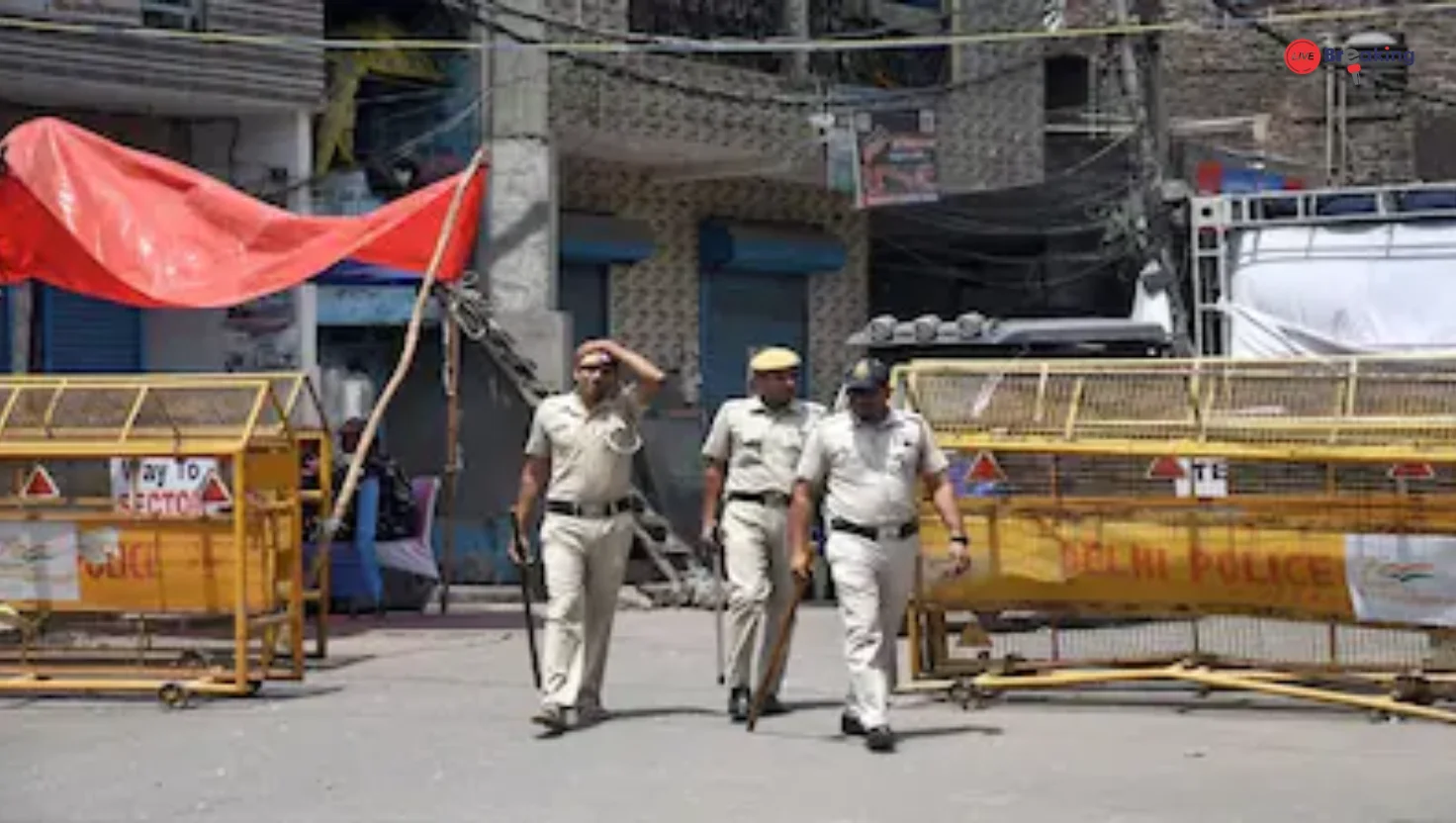
Initially, officers believed the driver was waiting for someone. However, the extended idle time and the vehicle’s unusual positioning prompted a closer look. When the owner could not be immediately traced, bomb detection units were alerted, and the area was cordoned off.
The following hours were tense, with the possibility of an explosive device in a densely populated area looming large. After careful examination, the car was found to contain components linked to an improvised explosive device (IED). But what baffled investigators even more was why the car had been left there hours before any coordinated activity was expected.
A Terror Plot Gone Awry
The subsequent probe into the incident revealed a critical lapse in the execution of the plan. The suspected handlers, believed to be part of a larger network operating across multiple cities, had planned the operation to coincide with a specific date. However, due to a miscommunication among the operatives — reportedly caused by a mix-up between the Gregorian and local lunar calendars — the attack was mistakenly set in motion a day earlier.
This simple yet consequential mistake meant that the car reached the designated location long before the intended timing of the attack. The operative who drove it there was acting on the wrong schedule, unaware that other coordinated elements of the plan were not yet in place.
Read more: Red Fort Blast Kills 13 and Injures 24 in Major Security Scare
By the time handlers realized the error and attempted to contact the driver, the car had already drawn the attention of security personnel due to its prolonged presence in the area.
How the Error Was Discovered
Investigators pieced together the timeline through phone records, intercepted messages, and CCTV footage. The digital trail revealed that one of the key operatives had set the reminder for the operation based on a different calendar format used in their communication app.
This seemingly minor oversight caused a cascading error — one that effectively derailed the intended synchronisation of multiple targets. The three-hour wait became the critical clue that led authorities to link the car to a wider terror module operating across northern India.
Forensic examination of the car and its contents later confirmed that it was meant to be used as a delivery vehicle for explosives, which would have been detonated remotely. The premature arrival, however, prevented other operatives from activating the sequence, ultimately exposing the entire plan.
A Close Call for the Capital
The location chosen for the attack was no coincidence — a bustling zone filled with markets, offices, and commuters. Security experts now believe that if the plan had unfolded as intended, the impact could have been devastating.
The three-hour gap not only allowed authorities time to detect the vehicle but also disrupted communication among the operatives. Intelligence agencies later traced several suspicious calls made from the area, indicating panic among the network once the delay became apparent.
In hindsight, that misplaced date entry might have been the city’s saving grace — a rare instance where human error worked in favour of security forces.
Broader Implications for Counter-Terror Operations
The incident has highlighted a new dimension in counter-terrorism: the vulnerabilities created by digital miscommunication. Modern terror groups, despite their advanced encryption methods and coordination tools, still rely heavily on human input — and human errors remain their biggest weakness.
Officials have since tightened surveillance mechanisms and are analysing similar cases where timing discrepancies might have thwarted planned attacks. They are also studying the digital footprint of the suspects to understand how communication platforms and calendar tools were used to coordinate activities.
Read more: Delhi Blast Triggers Panic After Massive Explosives Cache Found in Faridabad
Security experts believe that this case will become a key study in intelligence and counter-terror training modules — demonstrating how precision failures, even as minor as a wrong calendar date, can alter the outcome of major threats.
The Takeaway: Precision vs. Human Error
The Delhi terror car case underscores a paradox that often defines complex operations: the more sophisticated the plan, the higher the risk of collapse from the smallest mistake.
A single digit entered incorrectly, a calendar misread, or a reminder mistimed — these are no longer trivial technicalities but potential turning points in national security incidents.
As Delhi breathes a sigh of relief, investigators continue to unravel the larger network behind the attempt. The three-hour wait in that parking lot, once a mystery, now stands as a powerful reminder that even the most dangerous plots can falter on the simplest of errors — a misplaced date that made all the difference.