Hanuman Disrespected? Hindu Groups Slam Republican Leader’s Statement
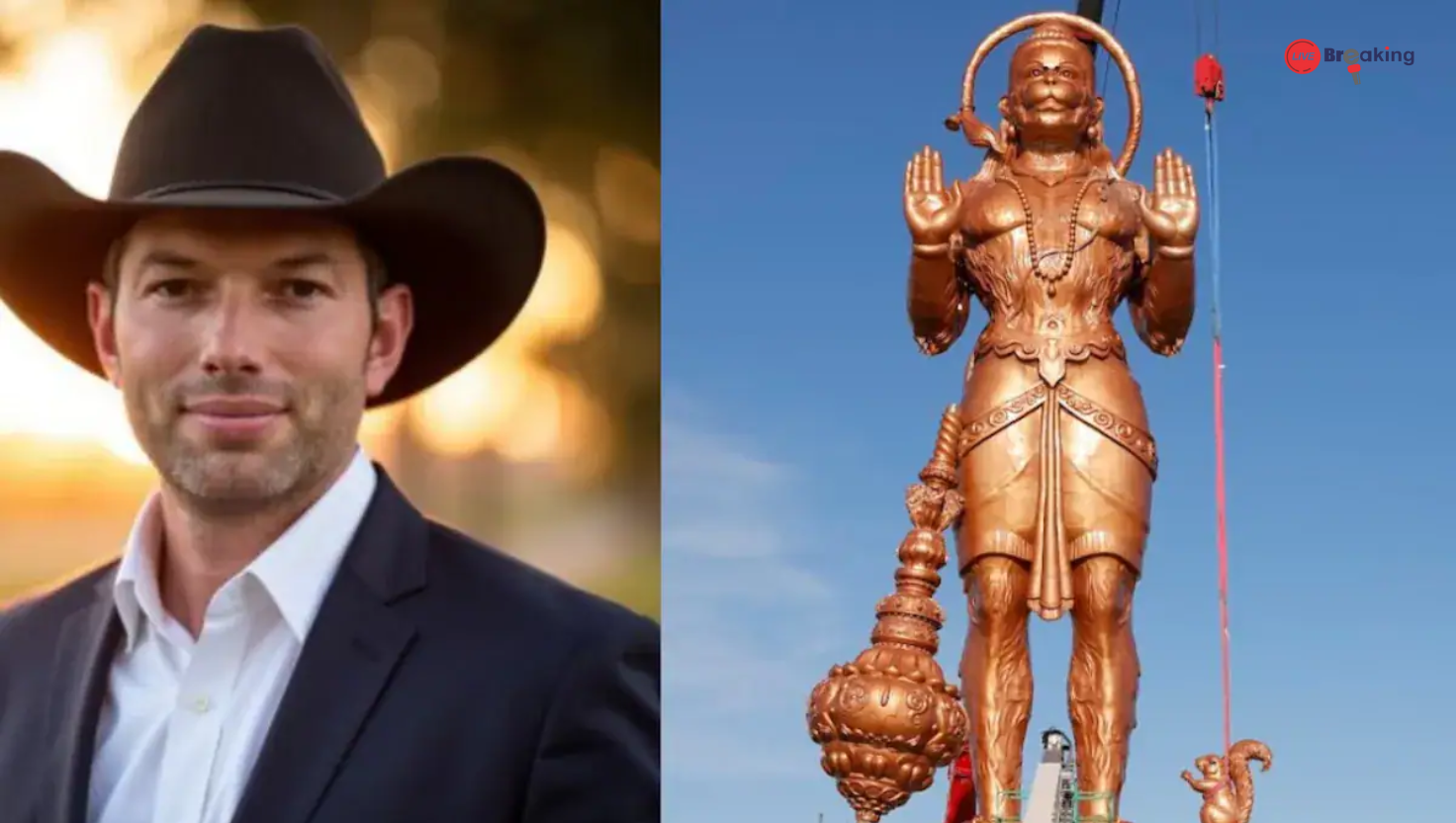
A remark made by a Republican leader in the United States has sparked a heated row after he referred to Lord Hanuman, one of Hinduism’s most revered deities, as a “false Hindu god.” The statement, made during a community event, has snowballed into a larger controversy, drawing sharp criticism from Hindu organizations, Indian Americans, and interfaith groups who have demanded an apology.
The Incident That Triggered Backlash
The controversy erupted when the Republican leader, while addressing a gathering, spoke about the recent installation of a Hanuman statue in a public space. In his remarks, he questioned the presence of what he termed a “false Hindu god” in America, suggesting it went against the country’s traditional values. The comment was caught on camera, quickly circulated on social media, and drew widespread condemnation.
For Indian Americans, who see Lord Hanuman as a symbol of strength, devotion, and courage, the statement was more than just an offhand remark—it was perceived as a deep insult to their faith.
Indian American Community Reacts Strongly
Indian Americans, one of the fastest-growing immigrant communities in the United States, voiced their anger almost immediately. Social media platforms were flooded with posts expressing shock, disappointment, and outrage. Many argued that such comments reflect ignorance about Hindu traditions and disrespect toward multicultural values that America claims to uphold.
Hindu advocacy groups issued statements demanding accountability, emphasizing that the deity was not just a religious figure but also a cultural symbol representing discipline, loyalty, and resilience. Protests were reported outside local offices of the Republican party, with demonstrators holding placards urging leaders to respect diversity and apologize for the disparaging remark.
Political Repercussions Within the Party
The controversy has also sparked debate within the Republican Party itself. While some party members distanced themselves from the leader’s statement, calling it “unfortunate” and “misinformed,” others refrained from commenting, citing political sensitivities. The silence from the broader party leadership has drawn criticism, with opponents accusing Republicans of tolerating religious intolerance within their ranks.
Democratic leaders were quick to seize the moment, condemning the comment as divisive and warning against rhetoric that undermines the harmony of multicultural America. Several politicians highlighted the contributions of Indian Americans across fields—from medicine and technology to public service—and stressed the importance of respecting their beliefs.
The Larger Debate on Religious Freedom
Beyond politics, the incident has reignited a larger debate about religious freedom in the United States. America has long prided itself on being a melting pot of cultures, where people of all faiths are free to practice their religion. For many, the comment raises uncomfortable questions about whether this ideal is truly upheld when minority communities continue to face prejudice.
Read more: PM Modi Promises “Double Diwali” And “Next-Generation” Tax Gift This Year
Religious scholars and interfaith leaders weighed in, pointing out that intolerance toward non-Christian faiths has been on the rise. They stressed the need for better cultural awareness and education about global religions to prevent such incidents from recurring.
Why the Remark Hurts
For Hindus, Lord Hanuman is more than just a deity—he is a timeless figure embodying humility, devotion, and strength. His presence in temples and public statues around the world, including in the US, is seen as a celebration of cultural identity. To dismiss him as a “false god” is, therefore, not only offensive but also erases the emotional and spiritual connection millions of devotees hold.
Many Indian Americans who have made the US their home voiced that such comments make them feel unwelcome. They argued that while America celebrates Christmas and Easter as part of mainstream culture, Hindu traditions often remain marginalized or misunderstood.
Calls for Apology and Dialogue
The controversy shows no signs of subsiding, with growing demands for the Republican leader to issue a formal apology. Community leaders have also urged for constructive dialogue between political representatives and minority groups to build mutual understanding.
Several advocacy organizations are planning cultural outreach initiatives to highlight Hindu traditions, aiming to foster awareness and inclusivity. They argue that education, not exclusion, is the key to bridging cultural divides.
Read more: Kolkata Drenched: 5 Dead as Torrential Rains Trigger Chaos Before Durga Puja
Moving Forward Amid Tensions
As the debate unfolds, the incident serves as a stark reminder of the challenges multicultural societies face. For many Indian Americans, it is a call to assert their identity and demand respect within the political and social fabric of the United States.
While the leader’s comment has been condemned widely, it has also sparked conversations about diversity, tolerance, and the need to protect the values of religious freedom. Whether the controversy leads to meaningful dialogue or simply becomes another political flashpoint remains to be seen.
For now, the shadow of the remark continues to loom, leaving the Indian American community both hurt and determined to ensure their faith is respected in the country they call home.