Islamabad Shrine Suicide Bombing: 15 Dead, 80 Injured in Deadly Attack
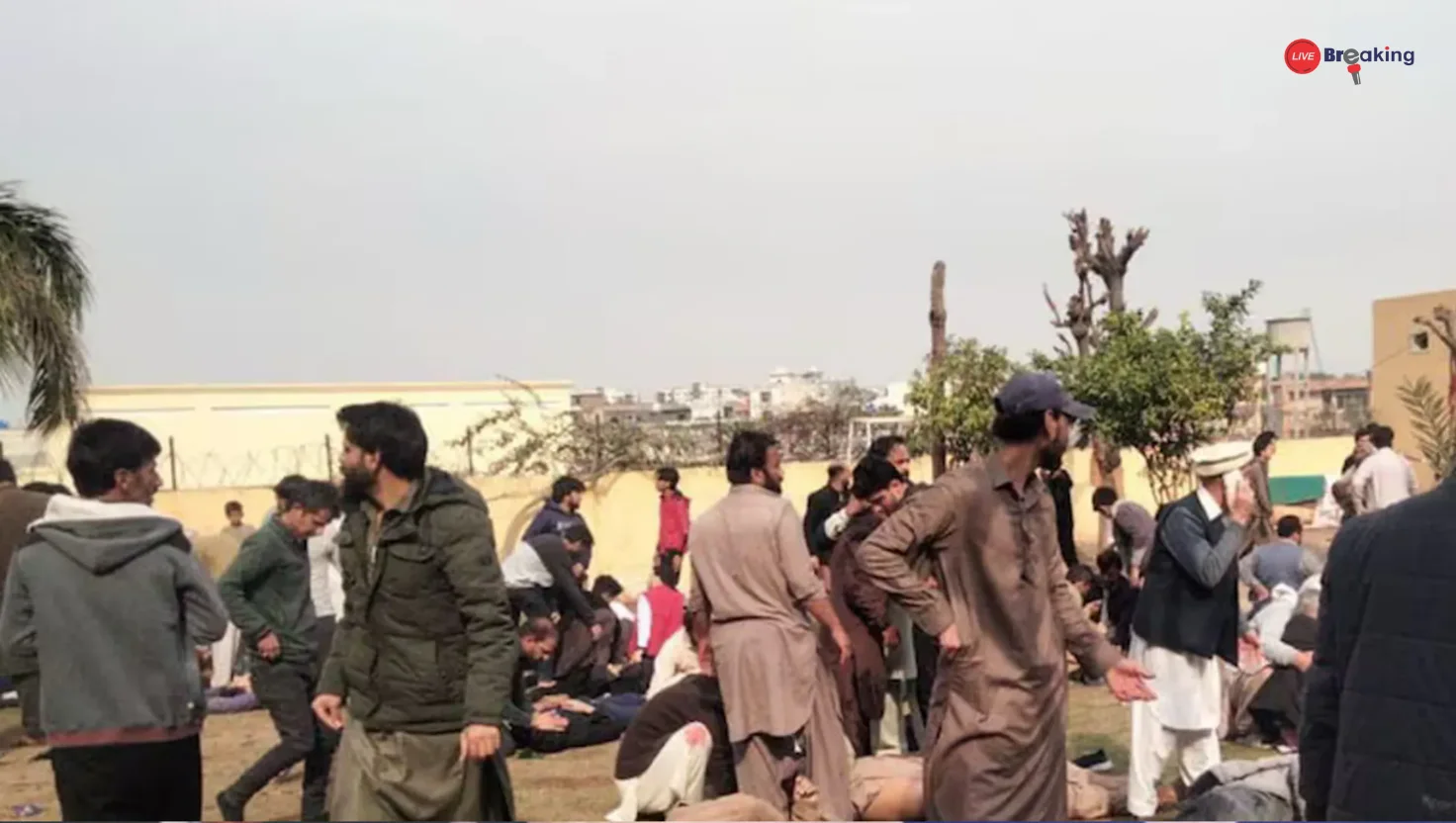
A devastating suicide bombing struck a religious shrine in Islamabad, leaving at least 15 people dead and more than 80 injured, according to initial reports. The blast occurred during a busy time at the shrine, when worshippers and visitors had gathered, turning a place of peace into a scene of chaos, grief, and destruction.
The incident has sent shockwaves across Pakistan, raising serious concerns about security in the capital and prompting swift condemnation from political leaders, religious scholars, and the international community.
What Happened at the Islamabad Shrine?
According to reports, the attacker detonated an explosive device inside the shrine premises, causing a powerful blast that ripped through the crowded area. Witnesses described hearing a loud explosion followed by screams, panic, and heavy smoke.
Emergency responders, including police, ambulances, and rescue teams, rushed to the site within minutes. The injured were transported to nearby hospitals, several of whom remain in critical condition. Authorities fear the death toll may rise as doctors continue to treat the wounded.
Immediate Response by Authorities
Security forces quickly cordoned off the area, launching a search operation to rule out the presence of additional threats. Bomb disposal units and forensic teams were deployed to collect evidence from the blast site, while surveillance footage from nearby locations is being reviewed.
Islamabad police officials stated that the attack appears to be a suicide bombing, although investigations are ongoing to determine the identity of the attacker and any possible links to militant organizations.
National Condemnation and Mourning
Pakistan’s leadership strongly condemned the attack, calling it an assault on humanity and religious harmony. Senior government officials expressed deep sorrow over the loss of innocent lives and assured citizens that those responsible would be brought to justice.
Religious leaders across the country also denounced the bombing, emphasizing that violence has no place in Islam and that shrines represent unity, spirituality, and peace.
Flags were lowered at several institutions, and prayers were held nationwide for the victims and their families.
Impact on Security and Public Safety
The attack has once again raised urgent questions about security arrangements at public and religious places, particularly in high-profile cities like Islamabad. Authorities have since heightened security measures, increasing police presence at mosques, shrines, and crowded public locations.
Citizens have been urged to remain vigilant and to report any suspicious activity. Temporary restrictions and checkpoints have been set up in parts of the city to prevent further incidents.
Read more: “Justice Crying Behind Closed Doors”: Mamata Banerjee To Chief Justice On SIR
A Grim Reminder of Ongoing Challenges
While Islamabad is considered one of the more secure cities in Pakistan, this tragic incident highlights the persistent threat posed by extremist violence. Analysts believe such attacks are often designed to spread fear, disrupt social harmony, and challenge state authority.
Despite these challenges, public sentiment remains defiant, with many citizens emphasizing resilience and unity in the face of terror.
Frequently Asked Questions (FAQ)
Q1: Where did the suicide bombing take place?
The bombing occurred at a religious shrine in Islamabad, Pakistan, during a time when many worshippers were present.
Read more: 8 Opposition MPs Suspended For Throwing Papers At Chair In Lok Sabha, BJP Says ‘Utter Disrespect’
Q2: How many casualties were reported?
At least 15 people were killed, and more than 80 others were injured, with several in critical condition.
Q3: Was the attacker identified?
As of now, authorities have not publicly identified the attacker. Investigations are ongoing.
Q4: What actions have authorities taken after the attack?
Security has been tightened across Islamabad and other major cities, with increased police deployment at sensitive locations.
Q5: Is Islamabad considered a high-risk city?
Islamabad is generally regarded as a secure city, but this attack highlights ongoing security challenges in the region.